What Is a TWIC Card?
The Transportation Worker Identification Credential (TWIC) is a tamper-resistant biometric security card issued by the Transportation Security Administration (TSA) in partnership with the U.S. Coast Guard. The program was established under the Maritime Transportation Security Act of 2002 (MTSA) to provide a standardized credential for workers who require unescorted access to secure areas of maritime facilities, vessels, and related infrastructure.
Each TWIC card contains the holder’s photograph, full name, expiration date, and biometric data (fingerprints) stored on an integrated circuit chip. This information is used to verify the cardholder’s identity at access points to secure areas.
Who needs a TWIC card? The credential is required for workers who need unescorted access to secure areas at MTSA-regulated facilities and vessels, including:
Even if a worker’s primary job does not involve maritime operations, a TWIC card is required if their duties take them into secure areas of a port or regulated facility.
How to obtain it: First-time applicants must pre-enroll online, then visit an approved enrollment center to provide identity documents, biometric data (fingerprints), and a digital photograph. TSA conducts a security threat assessment (background check) to determine eligibility. Once approved, the card is typically mailed within 7 to 10 business days. The entire process can take 30 to 45 days, and TSA recommends applying at least 60 days before you need the credential.
Cost: A new TWIC card costs 25.25. A reduced rate of 3.00 is available for applicants who hold a valid commercial driver’s license with a hazardous materials endorsement (HME) or a Free and Secure Trade (FAST) card. Online renewals cost 17.25.
Validity period: A TWIC card is valid for five years from the date of issuance.
Why TWIC Card Compliance Matters for Your Organization
For companies operating in the maritime, transportation, and logistics sectors, maintaining current TWIC credentials across your workforce is a fundamental operational requirement.
Federal mandate: The TWIC program is mandated by federal law under the Maritime Transportation Security Act. Port facilities and vessel operators are required to deny access to individuals who do not present a valid TWIC card. There is no flexibility or grace period — an expired card is treated the same as no card at all.
Operational continuity: A driver or worker who arrives at a secure facility with an expired TWIC card cannot enter. This means missed pickups, delayed shipments, idle equipment, and potential contractual penalties. For logistics companies, even a single expired credential can cascade into significant operational disruptions.
Revenue impact: Every time a worker is turned away from a port facility, it translates directly into lost revenue. The driver cannot complete the load, the truck sits idle, and the company may need to scramble to find a replacement driver with a valid credential. For companies with large fleets, the cumulative cost of poor credential tracking can be substantial.
Security and compliance audits: The U.S. Coast Guard conducts inspections of MTSA-regulated facilities to verify compliance with security requirements, including TWIC verification. Facilities found to be allowing access to individuals without valid credentials face enforcement actions and fines.
Reputation and customer trust: Shippers, port operators, and government agencies expect their partners to maintain full compliance with TWIC requirements. Repeated credential lapses signal a lack of organizational discipline and can jeopardize business relationships and contract opportunities.
Common Scenarios for Tracking TWIC Card Expiration Dates
Fleet Management for Trucking Companies
A trucking company with 200 drivers, many of whom make regular port runs, must track TWIC expiration dates for every driver who accesses secure maritime facilities. With five-year renewal cycles and drivers joining and leaving the company throughout the year, expiration dates are spread across the calendar. Fleet managers need a reliable system to flag upcoming expirations and ensure drivers renew their credentials before they lose access.
Port Facility Employee Credentialing
Port terminal operators employ hundreds of workers — from crane operators and warehouse staff to maintenance crews and security personnel — all of whom require a valid TWIC card. The facility’s security director must ensure that every employee’s credential is current, and that new hires complete the TWIC enrollment process before they begin work in secure areas.
Maritime Staffing and Crew Management
Shipping companies and maritime staffing agencies manage crews that rotate through vessels and facilities. Each mariner’s TWIC card must be tracked alongside their Merchant Mariner Credential (MMC) and other required documents. With crew members deployed to different vessels and ports, centralized tracking is essential to avoid situations where a crew member cannot board because their TWIC has lapsed.
Contractor and Vendor Access Management
Port facilities frequently engage contractors for construction, maintenance, and equipment servicing. These contractors and their employees need TWIC cards to access secure areas. Facility security teams must verify and track contractor credentials alongside their permanent workforce, adding a layer of complexity to an already demanding process.
Multi-Location Logistics Operations
Large logistics companies operating across multiple ports and terminals must coordinate TWIC compliance for workers at every location. Different ports may have varying enforcement practices, but the federal requirement remains the same everywhere. A centralized view of credential status across all locations ensures nothing slips through the cracks.
How to Track TWIC Card Expiration Dates
Tracking TWIC card expirations might seem straightforward given the five-year renewal cycle, but that long interval is exactly what makes them easy to overlook. By the time a renewal comes due, the original enrollment date is a distant memory, and the daily demands of operations have long since pushed it out of mind.
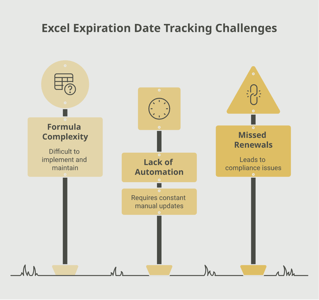
Common pitfalls of manual tracking include:
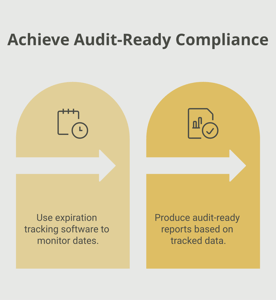
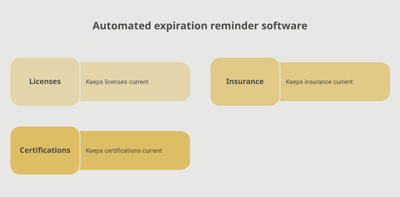
An automated tracking system eliminates these risks by maintaining a complete, up-to-date record of every TWIC card in your organization and sending proactive reminders as renewal dates approach. A platform like Expiration Reminder can be configured to send alerts at 120, 90, and 60 days before a TWIC card expires — giving workers and managers plenty of time to complete the renewal process. Centralized dashboards provide real-time visibility into who is compliant, who is approaching expiration, and who needs immediate attention.
Given that TSA recommends starting the renewal process at least 60 days in advance, automated reminders that begin well ahead of that window are the most reliable way to ensure uninterrupted access for your workforce.
Frequently Asked Questions
What happens if my TWIC card expires?
An expired TWIC card is treated the same as not having one at all. You will be denied unescorted access to any MTSA-regulated secure area, including port terminals, vessels, and outer continental shelf facilities. You can renew your card up to one year after expiration, but if more than a year has passed, you must re-enroll as a new applicant with a full security threat assessment.
How long is a TWIC card valid?
A TWIC card is valid for five years from the date it was issued. Your expiration date is printed on the front of the card. If you selected the reduced rate because you hold a valid HME or FAST card, your TWIC expiration will align with the expiration of that comparable credential.
How do I renew my TWIC card?
You can renew your TWIC card online or in person at an enrollment center. Online renewal is available for U.S. citizens, nationals, and lawful permanent residents. The online process costs 17.25 and does not require a visit to an enrollment center. In-person renewal costs 25.25 and requires scheduling an appointment at an approved location. Most applicants receive their renewed card within 7 to 10 business days after approval.
Who is required to have a TWIC card?
Any worker who needs unescorted access to secure areas of MTSA-regulated port facilities, vessels, or outer continental shelf installations must have a TWIC card. This includes dockworkers, truck drivers who access port terminals, merchant mariners, vessel crew members, offshore oil and gas workers, port maintenance staff, and contractors working within secure maritime zones.
Can you enter a port with an expired TWIC card?
No. An expired TWIC card does not grant access to secure areas of port facilities or vessels. If your card has expired, you will need to be escorted by an authorized person or wait until your renewal is processed. There is no grace period for expired TWIC cards under federal regulations.
How far in advance should you start the TWIC renewal process?
TSA recommends starting the renewal process at least 60 days before your card expires. Processing times can sometimes exceed 45 days during periods of high demand. You can begin the renewal process up to one year before your expiration date, so starting early is always advisable.
How much does a TWIC card cost?
A new TWIC card costs 25.25. Online renewal costs 17.25, and in-person renewal costs 25.25. A reduced rate of 3.00 is available for applicants who hold a valid commercial driver’s license with a hazardous materials endorsement (HME) or a Free and Secure Trade (FAST) card. Replacing a lost, stolen, or damaged card costs 0.
Can I be disqualified from getting a TWIC card?
Yes. TSA conducts a security threat assessment for all TWIC applicants. Certain criminal convictions can result in permanent disqualification, including offenses related to espionage, treason, terrorism, transportation security incidents, and improper handling of hazardous materials. Other offenses may result in interim disqualification. Applicants who are denied can appeal the decision through the TSA redress process.
Conclusion
The TWIC card is the access key for America’s maritime transportation infrastructure, and for the workers and companies that depend on port access, keeping it current is a non-negotiable operational requirement. With a five-year renewal cycle, it is all too easy for expiration dates to sneak up unnoticed, creating costly disruptions at the worst possible moment.
The most effective way to prevent those disruptions is to take a proactive approach. Track every TWIC card in your organization, set up automated reminders well before renewal deadlines, and use a centralized platform like Expiration Reminder to maintain complete visibility into your workforce’s credential status.
When your team’s TWIC cards are always current, your operations keep moving, your customers stay satisfied, and your organization maintains the trust and credibility that come with strong compliance practices. That is the kind of confidence you can build on.