CPR Certification
What Is CPR Certification?
CPR certification is a credential that demonstrates an individual has been trained in cardiopulmonary resuscitation (CPR) and, in most cases, the use of an automated external defibrillator (AED). CPR is a life-saving technique used when someone's heart stops beating or they stop breathing, and certification confirms that the holder can perform these critical interventions correctly.
Issuing Authorities
CPR certification is offered by several nationally recognized organizations, including:
- American Heart Association (AHA) — Offers Basic Life Support (BLS) for healthcare providers and Heartsaver CPR/AED for the general public
- American Red Cross — Provides CPR/AED certification for both professional rescuers and lay responders
- Health & Safety Institute (HSI/ASHI) — Offers CPR, AED, and first aid training programs
- National Safety Council (NSC) — Provides workplace-focused CPR and first aid training
Who Is Required to Have It?
CPR certification is required or strongly recommended for a wide range of professionals, including:
- Healthcare workers — Nurses (RN, LPN), physicians, CNAs, medical assistants, dental professionals, EMTs, and paramedics typically need BLS certification
- Education professionals — Teachers, school administrators, and coaches in many states
- Childcare providers — Daycare staff and early childhood educators, often requiring pediatric CPR
- Construction workers — Per OSHA standards, worksites must have trained first aid and CPR providers
- Fitness professionals — Personal trainers, group fitness instructors, and gym staff
- Lifeguards — Required for all aquatic facility personnel
- Corporate employees — Designated safety officers and first aid responders in workplace settings
How to Obtain CPR Certification
You can earn CPR certification through in-person classroom courses, blended learning programs (online coursework combined with an in-person skills session), or, in some cases, fully online courses. However, it is important to note that OSHA and most employers require a hands-on skills assessment, so online-only courses may not meet workplace compliance requirements.
Validity Period
CPR certification is typically valid for two years from the date of completion. The AHA sets expiration dates at the end of the month in which the card was issued. For example, if you complete training on March 15, your certification remains valid through March 31 two years later.
Why CPR Certification Matters for Your Organization
Maintaining current CPR certifications across your workforce is about much more than checking a box. It directly impacts your organization's compliance posture, operational readiness, and employee safety.
Compliance and Legal Requirements
Depending on your industry, CPR certification may be mandated by federal, state, or local regulations. OSHA's general industry standard (29 CFR 1910.151) requires employers to have trained first aid providers on-site when medical facilities are not in close proximity. Specific OSHA standards for construction (29 CFR 1926.50), logging, and other high-risk industries go further by explicitly requiring CPR training.
Healthcare facilities, childcare centers, and schools face additional regulatory requirements from accrediting bodies, state licensing boards, and industry-specific standards. Failing to maintain valid certifications can jeopardize your organization's operating licenses.
Operational Impact
When CPR certifications lapse, the consequences can ripple across your operations. An employee with an expired certification may be ineligible to work certain shifts, respond to emergencies, or pass required inspections. In healthcare, an expired BLS card can mean a nurse cannot work until recertified. In construction, it can mean a project fails its safety inspection.
Risk of Expiration
The risks of letting CPR certifications expire include:
- Regulatory fines and penalties from OSHA, state agencies, or accrediting bodies
- Operational disruptions when employees cannot work due to lapsed credentials
- Increased liability if an incident occurs and your team's certifications were not current
- Safety concerns as CPR skills degrade significantly within months of training — research shows that less than half of course participants can pass a skills test just one year after training
Common Scenarios for Tracking CPR Certification Expiration Dates
Hospital HR Departments Managing Nursing Staff
In a hospital with hundreds of nurses, tracking BLS certification dates is a constant responsibility. Each nurse renews on a different schedule, and a single lapsed certification can trigger compliance issues during Joint Commission surveys. HR teams need a reliable system to monitor upcoming expirations and send timely reminders well before due dates.
Construction Safety Managers Overseeing Multiple Job Sites
Construction safety managers often oversee dozens of workers spread across multiple projects. OSHA requires at least one CPR-trained person on each job site, and with employees rotating between locations, keeping track of who is certified and when their credentials expire is a logistical challenge that spreadsheets struggle to handle.
Childcare Center Directors Maintaining Licensing Requirements
State licensing agencies require childcare staff to maintain current pediatric CPR certification. If a staff member's certification lapses, the center could face citations, fines, or even temporary closure. Directors need advance notice so they can schedule renewal training before deadlines arrive.
Corporate Safety Officers Preparing for OSHA Inspections
Workplace safety officers responsible for maintaining OSHA compliance need to know, at a glance, which designated first responders have current CPR certification. During an unannounced OSHA inspection, being able to quickly demonstrate that all required personnel are properly certified can make the difference between a clean inspection and a citation.
Fitness Facility Managers Tracking Trainer Credentials
Gyms and fitness centers typically require all trainers and front-desk staff to maintain CPR/AED certification. With high staff turnover in the fitness industry, managers need an efficient way to track certifications for both current employees and new hires, ensuring no one works the floor with an expired credential.
How CPR Certification Benefits Your Company and Employees
For the Company
- Compliance assurance — Maintain audit readiness and avoid regulatory penalties
- Risk mitigation — Reduce liability exposure by ensuring trained responders are always available
- Operational continuity — Prevent disruptions caused by lapsed credentials
- Reputation protection — Demonstrate a commitment to safety that builds trust with clients, patients, and partners
For Employees
- Career advancement — Many roles require CPR certification as a prerequisite for hiring or promotion
- Professional credibility — Current certification signals competence and commitment to safety
- Workplace safety — Trained colleagues create a safer environment for everyone
- Confidence — Knowing how to respond in a cardiac emergency, both at work and in everyday life
For Clients and Customers
- Trust — Knowing that your staff is trained in life-saving techniques builds confidence
- Quality assurance — Current certifications demonstrate adherence to industry standards
- Regulatory confidence — Clients in regulated industries can trust that your team meets compliance requirements
How to Track CPR Certification Expiration Dates
Tracking CPR certification expiration dates may seem simple when you have a small team, but as your organization grows, the complexity increases quickly.
Challenges of Manual Tracking
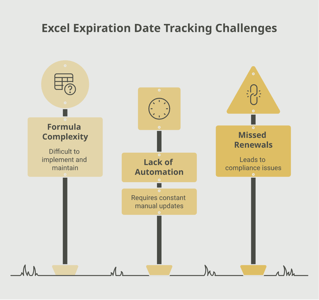
Many organizations start by tracking certifications in spreadsheets or basic calendar reminders. While this can work for a handful of employees, it quickly becomes unmanageable as your team grows. Common problems with manual tracking include:
- Data entry errors and outdated records
- No automated reminders, so expirations are noticed only when it is too late
- Difficulty generating audit-ready reports on short notice
- Time-consuming manual follow-ups with individual employees
- Risk of records being lost when staff members leave or change roles
Benefits of Automated Tracking
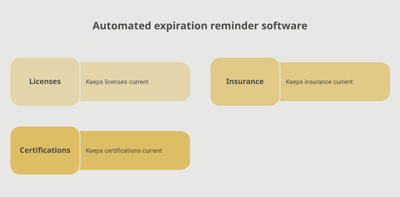
An automated expiration tracking system eliminates these challenges by centralizing all certification data in one place and proactively alerting you before deadlines arrive. Key benefits include:
- Automated reminders sent to both managers and employees at customizable intervals before expiration
- Centralized dashboard providing a real-time view of all CPR certifications across your organization
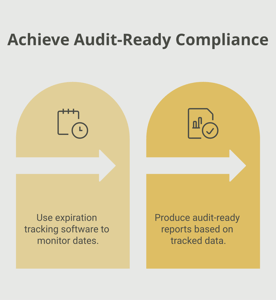
- Audit-ready reports that can be generated instantly for inspections or compliance reviews
- Reduced administrative burden so your team can focus on higher-value work instead of chasing renewal dates
A platform like Expiration Reminder is designed specifically for this purpose — helping organizations track certification expiration dates, send automated renewal alerts, and maintain compliance records in one secure, centralized system.
Key Takeaways
- CPR certification is valid for two years and is required across healthcare, education, construction, childcare, fitness, and many other industries.
- Major certifying organizations include the American Heart Association (AHA), American Red Cross, and Health & Safety Institute (HSI).
- OSHA requires CPR-trained personnel on worksites where medical facilities are not nearby, and specific industry standards impose additional requirements.
- CPR skills degrade significantly within months of training, which is why regular renewal is essential for safety and compliance.
- Letting certifications expire can result in regulatory fines, operational disruptions, increased liability, and safety risks.
- Manual tracking methods like spreadsheets become unreliable as teams grow — automated tracking systems provide a more dependable solution.
- Start the renewal process at least 60 to 90 days before expiration to allow time for scheduling, especially when coordinating group training.
Frequently Asked Questions
What happens if my CPR certification expires?
If your CPR certification expires, you may need to complete a full certification course rather than a shorter renewal class. For healthcare workers, an expired BLS certification can mean you are ineligible to work until you are recertified. For workplaces governed by OSHA, having employees with expired certifications could result in citations during inspections.
How long does CPR certification last?
CPR certification from most major organizations, including the American Heart Association and American Red Cross, is valid for two years. The AHA sets the expiration date at the end of the month in which you completed training. Some employers or regulatory bodies may require annual refresher training even though the certification itself lasts two years.
How long does it take to renew CPR certification?
A CPR renewal course is typically shorter than the initial certification course. Renewal classes often take about 3 to 4 hours for in-person sessions or less for blended learning formats. However, if your certification has already expired, you will likely need to take the full course, which can take 4 to 6 hours or more.
Who is required to have CPR certification?
CPR certification is required for healthcare providers, childcare workers, lifeguards, certain construction workers, school staff, fitness professionals, and designated workplace first responders. Requirements vary by state, industry, and employer. Even when not legally required, many organizations encourage or require CPR certification as part of their safety culture.
Can you work with an expired CPR certification?
It depends on your role and industry. In healthcare, an expired BLS certification typically means you cannot practice until you are recertified. In construction, if you are the designated first aid responder on a job site, working with an expired certification would put your employer out of OSHA compliance. Some employers have grace periods, but it is always best to renew before your certification expires.
How far in advance should you start the renewal process?
It is recommended to begin the renewal process 60 to 90 days before your certification expires. This gives you enough time to find a class, accommodate scheduling conflicts, and ensure your new certification is active before the old one lapses. For organizations managing multiple employees, starting even earlier can help coordinate group training sessions.
Is online CPR certification accepted by employers?
Online-only CPR certification courses are generally not accepted by OSHA-regulated employers, healthcare facilities, or childcare licensing agencies. Most regulatory bodies and employers require a hands-on skills assessment component. Blended learning courses that combine online instruction with an in-person skills session are widely accepted and offer a flexible alternative.
How much does CPR certification cost?
CPR certification costs typically range from $25 to over $200, depending on the provider, course type, and format. Online-only courses tend to be less expensive, while in-person or blended learning courses that include hands-on skills practice cost more. Group rates are often available for organizations training multiple employees at once.
Conclusion
CPR certification is far more than a piece of paper or a line on a resume. It represents a critical skill that saves lives, keeps your organization compliant, and protects your team from preventable risks. With certifications expiring every two years and skills degrading even faster, proactive tracking is essential.
The good news is that staying on top of CPR certification renewals does not have to be a stressful, manual process. By putting the right systems in place, you can ensure that every team member is always current, every audit is stress-free, and every workplace is prepared to respond when it matters most. Tools like Expiration Reminder make it easy to centralize your certification records, automate renewal alerts, and maintain audit-ready compliance documentation.
You have the knowledge and the tools to stay ahead of expiration dates. Take the next step today, and give your team the confidence that comes with being fully prepared.
Make sure your company is compliant
Say goodbye to outdated spreadsheets and hello to centralized credential management. Avoid fines and late penalties by managing your employee certifications with Expiration Reminder.