Withholding refers to the portion of an employee’s wages that an employer deducts and remits directly to government authorities for taxes or other obligations. This process ensures that income, Social Security, Medicare, and sometimes state/local taxes are prepaid throughout the year instead of being paid in one lump sum at tax time. Withholding helps employees meet their tax obligations gradually and reduces the risk of underpayment penalties.
The amount withheld is based on information provided by the employee on IRS Form W-4, which includes filing status, dependents, and other adjustments. In addition to federal taxes, some states and municipalities require their own withholding for income or disability insurance programs.
Simplify credential management
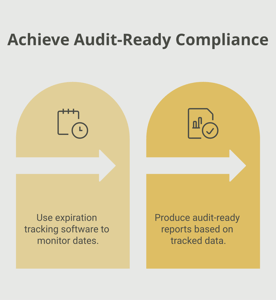
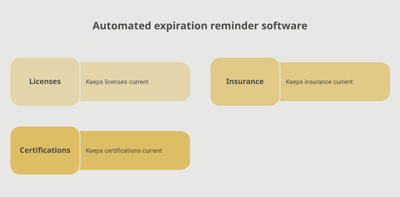
Tracking employee certifications and licenses doesn't have to be complicated. Expiration Reminder helps you send automated notification and keep your company compliant.
.png?width=2520&height=1800&name=67a0f630d9bbadc84df0deb5_AI_Scanner_1%20(1).png)
Key Facts
- Tax Prepayment: Withholding acts as a system for employees to pay income taxes gradually, rather than owing the full amount at the end of the year.
- Federal and State: Common types of withholding include federal income tax, Social Security tax, Medicare tax, and state/local income taxes if applicable.
- Form-Based Setup: Employees complete Form W-4 (or similar state form) to determine how much tax should be withheld based on filing status, dependents, and other adjustments.
- Employer Responsibility: Employers are legally required to withhold the correct amounts and deposit them with the appropriate tax agencies on time.
- Affects Refund or Liability: The accuracy of withholding influences whether an employee receives a refund or owes additional taxes at year-end.
1. What does it mean when money is withheld from my paycheck?
It means your employer is deducting taxes or other authorized amounts (like garnishments) and sending them to the appropriate agencies on your behalf.
2. How can I change how much tax is withheld?
You can submit a new Form W-4 to your employer at any time to adjust your tax withholding.
3. What happens if not enough tax is withheld?
You may owe taxes at the end of the year, and possibly penalties or interest, if your withholding was too low.
4. Is withholding the same as payroll taxes?
Not exactly. Withholding refers specifically to deductions from an employee’s wages, while payroll taxes also include the employer’s share of taxes.
5. Can withholding include non-tax items?
Yes. Withholding can also include things like retirement contributions, health insurance premiums, or wage garnishments authorized by law.
Make sure your company is compliant
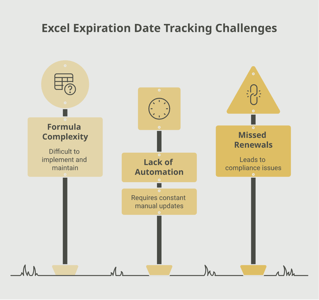
Say goodbye to outdated spreadsheets and hello to centralized credential management. Avoid fines and late penalties by managing your employee certifications with Expiration Reminder.