Maternity Leave is a period of authorized absence from work granted to a mother before and after the birth of her child. This leave allows mothers time to recover physically, bond with their newborn, and adjust to new caregiving responsibilities. The duration and pay status of maternity leave vary by country, employer policies, and legal protections, with some providing paid leave, unpaid leave, or a combination of both.
Simplify credential management
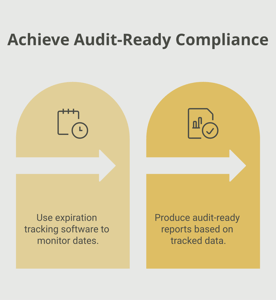
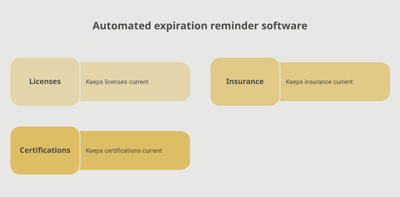
Tracking employee certifications and licenses doesn't have to be complicated. Expiration Reminder helps you send automated notification and keep your company compliant.
.png?width=2520&height=1800&name=67a0f630d9bbadc84df0deb5_AI_Scanner_1%20(1).png)
Key Facts
- Purpose: Supports the health and well-being of mother and child post-birth.
- Duration: Varies widely, often ranging from 6 weeks to 1 year or more depending on laws and policies.
- Pay: Can be paid, unpaid, or partially paid depending on employer benefits and government programs.
- Legal Protections: Many countries have laws protecting maternity leave and guaranteeing job security during leave (for example, FMLA in the U.S.).
- Extension: Often can be combined with parental leave or disability leave for longer time off.
1. What is maternity leave?
A period of leave from work granted to mothers around the birth of a child.
2. How long does maternity leave typically last?
It varies, but commonly between 6 weeks to 6 months or more depending on location and policy.
3. Is maternity leave paid?
It depends - some employers or governments provide paid leave, while others offer unpaid leave.
4. Can maternity leave be extended?
Often yes, through parental leave, disability leave, or unpaid extensions.
5. Are employees guaranteed their job back after maternity leave?
In many countries, laws protect job security during maternity leave, but this depends on local legislation.
Make sure your company is compliant
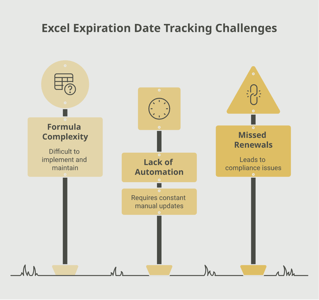
Say goodbye to outdated spreadsheets and hello to centralized credential management. Avoid fines and late penalties by managing your employee certifications with Expiration Reminder.