Wage to Salary refers to the transition of an employee’s pay structure from hourly wages to a fixed annual salary. This change typically involves shifting from compensation based on hours worked (including possible overtime) to a predetermined salary that reflects expected job duties and a consistent workweek, often with different benefit entitlements, tax implications, and job expectations.
This transition often signifies a shift in role or responsibility, such as moving from a non-exempt to an exempt position under the Fair Labor Standards Act (FLSA) in the U.S. Salaried employees are generally not eligible for overtime pay, but may receive additional benefits such as paid time off, bonuses, or participation in incentive programs.
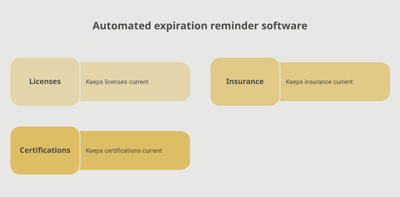
Simplify credential management
Tracking employee certifications and licenses doesn't have to be complicated. Expiration Reminder helps you send automated notification and keep your company compliant.
.png?width=2520&height=1800&name=67a0f630d9bbadc84df0deb5_AI_Scanner_1%20(1).png)
Key Facts
- Pay Structure Shift: The employee moves from receiving hourly wages (with possible overtime) to a fixed, recurring salary.
- Exemption Status Change: Employees may shift from non-exempt (eligible for overtime under the FLSA) to exempt (not eligible for overtime).
- Predictable Earnings: Salaried roles provide stable income regardless of hours worked, offering financial consistency.
- Role Expectations: Salary often accompanies broader responsibilities, autonomy, and performance-based expectations rather than time-based.
- Benefit Adjustments: Benefits may improve or change in salaried positions, including access to bonuses, health insurance, or paid leave.
1. Why would a company convert an employee from wage to salary?
To reflect a shift in responsibilities, streamline payroll, reduce overtime costs, or offer stable compensation aligned with new job duties.
2. Does going from wage to salary mean more money?
Not always. While salaried roles may seem to offer higher income, the hourly equivalent can be lower if the salaried employee works extensive unpaid overtime.
3. How does this affect overtime pay?
Most salaried (exempt) employees are not entitled to overtime, unlike wage (non-exempt) employees who earn time-and-a-half for hours over 40 per week.
4. Are taxes different for wages versus salary?
Tax withholding is generally handled similarly, though salaried income may alter tax brackets, deductions, or withholding schedules slightly.
5. Can an employee refuse the change from wage to salary?
It depends on the employer’s policies and employment laws. If the role significantly changes, refusal might mean resigning or renegotiating terms.
Make sure your company is compliant
Say goodbye to outdated spreadsheets and hello to centralized credential management. Avoid fines and late penalties by managing your employee certifications with Expiration Reminder.