Upward Mobility refers to the ability of an individual to move to a higher socioeconomic status or career level, typically through education, job advancement, skill development, or increased income. In the workplace, it often means progressing within an organization through promotions, expanded responsibilities, or leadership opportunities.
Upward mobility is influenced by factors such as access to training and mentorship, organizational culture, performance recognition, and equitable advancement policies. It plays a critical role in employee motivation, retention, and long-term career satisfaction.
Simplify credential management
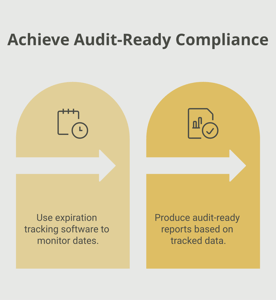
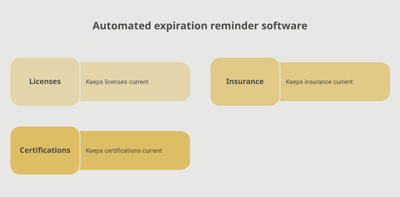
Tracking employee certifications and licenses doesn't have to be complicated. Expiration Reminder helps you send automated notification and keep your company compliant.
.png?width=2520&height=1800&name=67a0f630d9bbadc84df0deb5_AI_Scanner_1%20(1).png)
Key Facts
- Career Growth: Upward mobility is closely tied to professional advancement, such as promotions, raises, or movement into higher-ranking roles.
- Socioeconomic Change: It also applies to broader social contexts, where individuals improve their financial or social status over time.
- Influencing Factors: Education, access to training, mentorship, company structure, and economic environment all affect upward mobility.
- Barriers: Discrimination, lack of opportunity, rigid hierarchies, and limited access to education can hinder mobility.
- Organizational Impact: Companies that support upward mobility often experience higher retention, motivation, and employee loyalty.
1. What is the difference between upward and downward mobility?
Upward mobility involves moving to a higher status or better position, while downward mobility refers to losing status, income, or job level.
2. How do companies support upward mobility?
By offering career development programs, internal promotions, mentoring, performance-based raises, and training opportunities.
3. Why is upward mobility important for employees?
It provides motivation, a sense of accomplishment, higher income, and long-term career satisfaction.
4. Can upward mobility happen outside of promotions?
Yes. Lateral moves that build skills or lead to new responsibilities can set the stage for future upward mobility.
5. What role does education play in upward mobility?
Education is a key driver, often opening doors to higher-paying, more advanced roles and expanding long-term career options.
Make sure your company is compliant
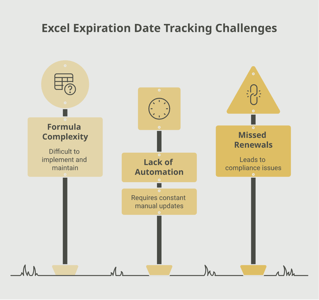
Say goodbye to outdated spreadsheets and hello to centralized credential management. Avoid fines and late penalties by managing your employee certifications with Expiration Reminder.