Time-to-Hire is the number of days between when a job candidate applies (or is sourced) and when they accept a job offer. It reflects how efficiently a company identifies, interviews, and secures top talent. A shorter time-to-hire typically suggests an effective recruitment process, while a longer timeframe may indicate bottlenecks or inefficiencies that could lead to the loss of high-quality candidates.
Simplify credential management
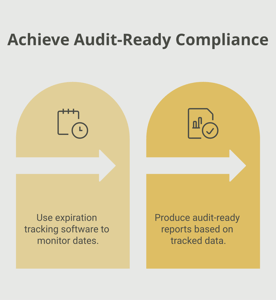
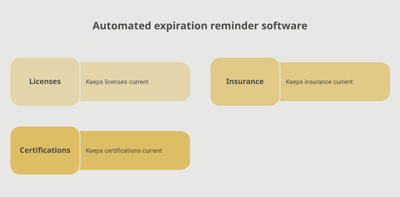
Tracking employee certifications and licenses doesn't have to be complicated. Expiration Reminder helps you send automated notification and keep your company compliant.
.png?width=2520&height=1800&name=67a0f630d9bbadc84df0deb5_AI_Scanner_1%20(1).png)
Key Facts
- Recruitment Efficiency: Measures the speed and effectiveness of hiring workflows.
- Candidate Experience: Shorter time-to-hire often improves the applicant's perception of the company.
- Hiring Benchmark: Used by HR to assess and optimize the talent acquisition strategy.
- Risk of Talent Loss: Longer delays can result in candidates accepting offers from competitors.
- Tracking Tools: Often measured using applicant tracking systems (ATS) and recruitment analytics.
1. Why is time-to-hire important for employers?
It impacts the ability to secure top candidates quickly and affects productivity if roles remain unfilled.
2. What is considered a good time-to-hire?
It varies by industry, but generally, 20–30 days is seen as competitive in many sectors.
3. How is time-to-hire different from time-to-fill?
Time-to-hire measures the duration from candidate application to offer acceptance, while time-to-fill measures from job posting to new hire onboarding.
4. What factors influence time-to-hire?
Job complexity, decision-making delays, interview scheduling, and inefficiencies in recruitment processes.
5. How can companies reduce time-to-hire?
By streamlining interviews, using technology like ATS, pre-screening applicants efficiently, and maintaining a talent pipeline.
Make sure your company is compliant
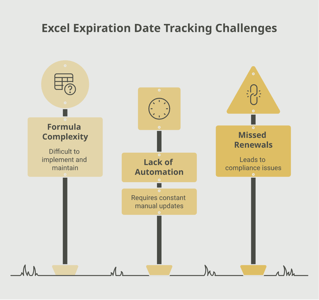
Say goodbye to outdated spreadsheets and hello to centralized credential management. Avoid fines and late penalties by managing your employee certifications with Expiration Reminder.