Talent Management is a comprehensive strategy and set of practices that organizations use to attract, develop, retain, and optimize employees to meet current and future business needs. It involves identifying high-potential individuals, managing their career growth, providing training and development opportunities, and aligning workforce capabilities with organizational goals.
Talent management aims to maximize employee performance and engagement while ensuring leadership continuity and organizational agility.
Simplify credential management
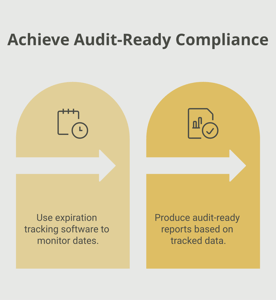
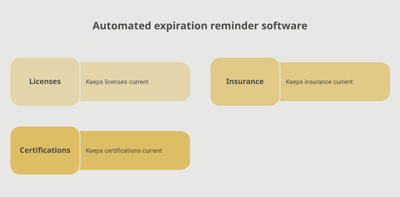
Tracking employee certifications and licenses doesn't have to be complicated. Expiration Reminder helps you send automated notification and keep your company compliant.
.png?width=2520&height=1800&name=67a0f630d9bbadc84df0deb5_AI_Scanner_1%20(1).png)
Key Facts
- Holistic Approach: Encompasses recruiting, onboarding, learning and development, performance management, succession planning, and retention.
- Focus on Development: Prioritizes continuous employee growth and skill enhancement.
- Alignment with Strategy: Ensures workforce capabilities support business objectives and adapt to market changes.
- Data-Driven Decisions: Uses analytics to identify gaps, track progress, and forecast talent needs.
- Retention-Oriented: Aims to reduce turnover by fostering engagement and job satisfaction.
1. How does talent management differ from talent acquisition?
Talent acquisition focuses on attracting and hiring talent, while talent management covers the entire employee lifecycle, including development and retention.
2. Why is talent management important?
It helps organizations build a capable, motivated workforce that drives business success and ensures leadership continuity.
3. What tools are commonly used in talent management?
Learning management systems (LMS), performance management software, succession planning tools, and HR analytics platforms.
4. How does talent management improve employee engagement?
By providing clear career paths, development opportunities, and regular feedback, employees feel valued and motivated.
5. What is succession planning’s role in talent management?
Succession planning identifies and prepares future leaders to fill key roles, ensuring organizational stability and growth.
Make sure your company is compliant
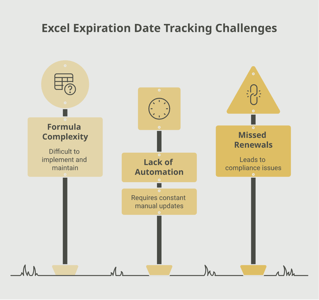
Say goodbye to outdated spreadsheets and hello to centralized credential management. Avoid fines and late penalties by managing your employee certifications with Expiration Reminder.