A Substantial Limitation refers to a significant restriction or impairment in an individual's ability to perform a major life activity as compared to the average person in the general population. This concept is most commonly used in the context of disability law, especially under the Americans with Disabilities Act (ADA), to determine whether a person qualifies as having a disability. The limitation must be more than minor or temporary to meet this standard.
Simplify credential management
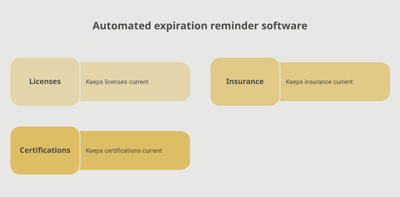
Tracking employee certifications and licenses doesn't have to be complicated. Expiration Reminder helps you send automated notification and keep your company compliant.
.png?width=2520&height=1800&name=67a0f630d9bbadc84df0deb5_AI_Scanner_1%20(1).png)
Key Facts
- Legal Context: Central to determining disability status under laws like the ADA and Section 504 of the Rehabilitation Act.
- Major Life Activities: Includes actions like walking, seeing, hearing, speaking, breathing, learning, working, and more.
- Significant Restriction: The limitation must substantially - not slightly - impact the individual’s ability to perform these tasks.
- Not Always Visible: Can apply to both physical and mental impairments, including conditions like ADHD, anxiety, or diabetes.
- Case-by-Case Basis: Whether a limitation is “substantial” is evaluated individually, considering the nature, severity, duration, and impact.
1. What qualifies as a major life activity?
Major life activities include physical actions like walking or seeing, as well as mental and bodily functions such as concentrating, communicating, or immune system operation.
2. How is 'substantial' defined legally?
The term “substantial” is interpreted broadly to mean that the limitation significantly restricts how the person performs an activity compared to the average person—not just a minor inconvenience.
3. Can temporary conditions count as substantial limitations?
Generally, no. A condition must be long-term or permanent. Short-term impairments like a common cold or a sprained ankle typically do not qualify.
4. How does this relate to workplace accommodations?
If an employee has a condition that substantially limits a major life activity, they may be entitled to reasonable accommodations under the ADA.
5. Can a person still be protected if their condition is managed by medication?
Yes. The law requires that impairments be considered in their unmitigated state, meaning that if medication or devices are removed, the substantial limitation still exists.
Make sure your company is compliant
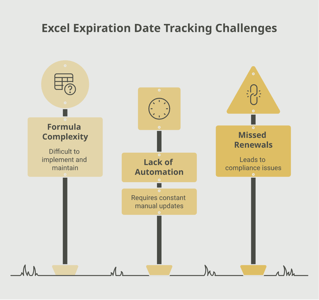
Say goodbye to outdated spreadsheets and hello to centralized credential management. Avoid fines and late penalties by managing your employee certifications with Expiration Reminder.