Straight-Time Pay refers to the regular earnings an employee receives for working up to the standard number of hours in a workweek, typically 40 hours. It is calculated by multiplying an employee’s standard hourly rate by the number of hours worked, without including any overtime, bonuses, or additional compensation. Straight-time pay forms the foundation of most wage calculations and is distinct from premium or overtime pay.
Simplify credential management
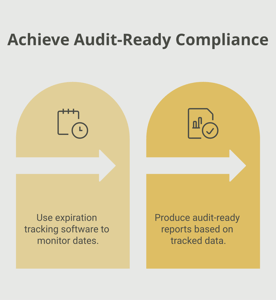
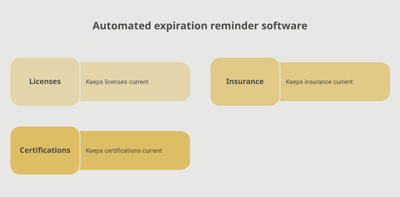
Tracking employee certifications and licenses doesn't have to be complicated. Expiration Reminder helps you send automated notification and keep your company compliant.
.png?width=2520&height=1800&name=67a0f630d9bbadc84df0deb5_AI_Scanner_1%20(1).png)
Key Facts
- Hourly Rate Basis: Calculated using the employee’s base hourly wage, without additional pay adjustments.
- Standard Work Hours: Applies only to hours worked within the regular full-time schedule, not including overtime.
- Excludes Premiums: Does not account for shift differentials, bonuses, or overtime rates.
- Used in Payroll: Forms the basic component of most payroll systems and wage calculations.
- Impacts Budgeting: Employers use straight-time pay to forecast labor costs and manage compensation plans.
1. How is straight-time pay calculated?
It is calculated by multiplying the number of hours worked (up to 40) by the employee’s regular hourly rate. For example, 40 hours × $20/hour = $800.
2. Does straight-time pay include overtime?
No, overtime is paid separately at a higher rate - typically time and a half - and is not included in straight-time pay.
3. Who receives straight-time pay?
Hourly employees and sometimes non-exempt salaried employees who track hours worked.
4. Is straight-time pay used in salaried positions?
Generally not, unless the salaried employee is non-exempt and their pay is broken down for overtime or compliance purposes.
5. Why is understanding straight-time pay important?
It helps employers stay compliant with wage laws and assists employees in understanding their regular compensation.
Make sure your company is compliant
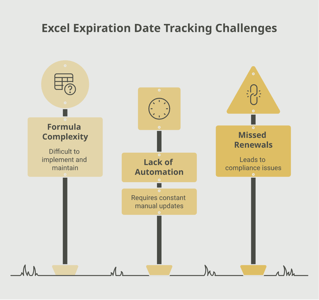
Say goodbye to outdated spreadsheets and hello to centralized credential management. Avoid fines and late penalties by managing your employee certifications with Expiration Reminder.