State Withholding Tax is the amount of money that an employer withholds from an employee’s wages and pays directly to the state government as partial payment of the employee’s annual state income tax liability. The amount withheld depends on the employee’s earnings, marital status, and the information provided on their state-specific withholding form (such as allowances or dependents claimed).
This tax helps employees avoid a large tax bill when they file their state income tax return and ensures states receive revenue throughout the year.
Simplify credential management
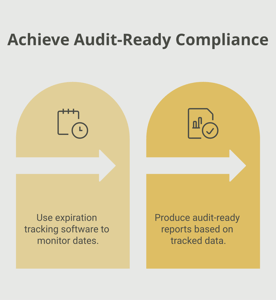
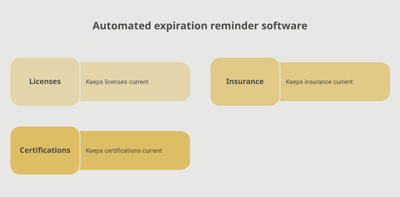
Tracking employee certifications and licenses doesn't have to be complicated. Expiration Reminder helps you send automated notification and keep your company compliant.
.png?width=2520&height=1800&name=67a0f630d9bbadc84df0deb5_AI_Scanner_1%20(1).png)
Key Facts
- Employee-Based: Withholding is based on employee earnings and filing details, such as marital status or allowances.
- State-Specific Rules: Each state sets its own income tax rates, forms, and rules for calculating withholding.
- Not All States: Some states, like Texas and Florida, do not impose a state income tax and therefore have no state withholding.
- Regular Reporting: Employers must submit withheld taxes to the state on a regular schedule, often monthly or quarterly.
- Impact on Refunds: Accurate withholding can prevent underpayment penalties or lead to a state tax refund when filing returns.
1. How is state withholding tax calculated?
It is calculated using the employee’s gross wages, the state’s tax tables, and the information provided on the employee’s state withholding form.
2. Do all states require state withholding tax?
No. Nine states currently do not have a state income tax, so there’s no withholding required in those states.
3. Can employees change their withholding amount?
Yes, employees can update their state withholding form to adjust how much tax is withheld from their paycheck, usually to account for life changes like marriage or dependents.
4. How often must employers remit state withholding taxes?
It varies by state, but most require employers to remit the taxes monthly or quarterly. Some states require semiweekly deposits depending on payroll size.
5. What happens if state withholding is not submitted properly?
Employers may face fines, penalties, and interest. Employees may also face issues at tax time, such as owing money or underpayment penalties.
Make sure your company is compliant
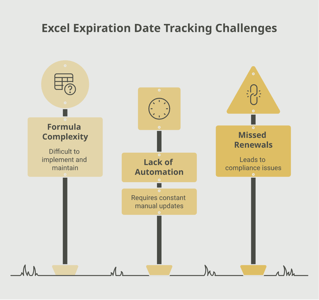
Say goodbye to outdated spreadsheets and hello to centralized credential management. Avoid fines and late penalties by managing your employee certifications with Expiration Reminder.