State Disability Insurance (SDI) Tax is a state-mandated payroll tax deducted from an employee’s wages to fund disability insurance programs. These programs provide short-term disability or paid family leave benefits to eligible workers who are unable to work due to illness, injury, or caregiving responsibilities. This tax is most commonly associated with California, but similar programs exist in a few other states.
Each state administers its own version of the program, with varying eligibility requirements, contribution rates, and benefit structures. For example, in 2025, California’s SDI tax rate is 1.2% of total wages with no wage cap, meaning all earnings are subject to the deduction.
Simplify credential management
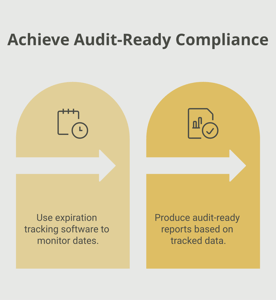
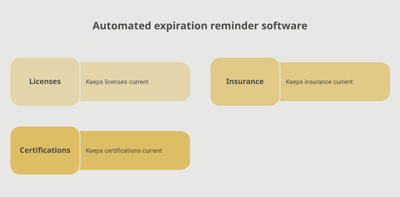
Tracking employee certifications and licenses doesn't have to be complicated. Expiration Reminder helps you send automated notification and keep your company compliant.
.png?width=2520&height=1800&name=67a0f630d9bbadc84df0deb5_AI_Scanner_1%20(1).png)
Key Facts
- Employee-Funded: In most states, including California, the SDI tax is paid by employees, not employers.
- Program Coverage: Covers short-term disability leave, paid family leave, and sometimes pregnancy leave.
- Tax Rate and Cap: The rate and annual wage limit are set by the state and may change yearly.
- Applies in Certain States: Not all U.S. states have an SDI tax; California, New Jersey, New York, Hawaii, and Rhode Island have similar programs.
- Separate From Federal Taxes: SDI is not a federal tax and is separate from Social Security and Medicare.
1. Who pays the SDI tax?
In most cases, employees pay the SDI tax through payroll deductions.
2. What benefits does SDI provide?
It provides partial wage replacement for workers unable to work due to non-work-related illness, injury, or caregiving needs.
3. Is SDI tax mandatory?
Yes, for employees working in states that require it, such as California.
4. Can self-employed individuals pay into SDI?
In some states, self-employed workers can opt in voluntarily to receive SDI coverage.
5. How is the SDI tax rate determined?
Each participating state sets its own rate and taxable wage ceiling, which may change annually.
Make sure your company is compliant
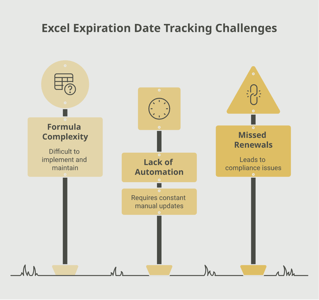
Say goodbye to outdated spreadsheets and hello to centralized credential management. Avoid fines and late penalties by managing your employee certifications with Expiration Reminder.