Quiet Firing is a workplace practice where an employer indirectly encourages an employee to leave their position by withdrawing support, denying opportunities, or making the work environment unpleasant - rather than formally terminating them. It often involves reducing responsibilities, excluding the employee from meetings, or failing to offer promotions or development.
Simplify credential management
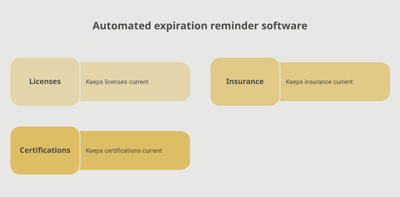
Tracking employee certifications and licenses doesn't have to be complicated. Expiration Reminder helps you send automated notification and keep your company compliant.
.png?width=2520&height=1800&name=67a0f630d9bbadc84df0deb5_AI_Scanner_1%20(1).png)
Key Facts
- Subtle Tactics: Quiet firing is not formal termination; it uses passive-aggressive methods like isolation or neglect.
- Often Unspoken: Employers may avoid confrontation or legal risks by never explicitly addressing performance concerns.
- Legal Gray Area: While not always illegal, it may lead to claims of constructive dismissal or toxic workplace culture.
- Employee Impact: Can cause emotional distress, reduced self-worth, and confusion in the absence of direct feedback.
- Modern Term: Gained popularity as a counterpart to “quiet quitting,” especially in social media and workplace discussions.
1. How can employees recognize signs of quiet firing?
Look for repeated exclusion from meetings, denial of development opportunities, sudden cuts in responsibilities, lack of feedback, or persistent disregard for your input.
2. What rights do employees have if they believe they’re being quietly fired?
Employees may consult HR, file a formal complaint, or seek legal advice - especially if the treatment amounts to constructive dismissal or violates workplace policies.
3. Why might employers choose quiet firing over formal termination?
To avoid legal obligations like severance, to bypass documentation, or to shift the resignation decision to the employee without direct confrontation.
4. How is quiet firing different from poor management?
Poor management may be unintentional or widespread, while quiet firing is usually targeted and strategic, aiming to push a specific employee out.
5. What are constructive ways to address quiet firing in the workplace?
Document everything, request regular feedback, open a conversation with HR or your manager, and if necessary, explore new roles or legal support.
Make sure your company is compliant
Say goodbye to outdated spreadsheets and hello to centralized credential management. Avoid fines and late penalties by managing your employee certifications with Expiration Reminder.