People Operations (or "People Ops") refers to a strategic and employee-focused approach to managing human resources. It aims to create a positive employee experience by aligning business goals with employee growth, engagement, and well-being. Unlike traditional HR, which often focuses on compliance and administrative tasks, People Ops emphasizes employee empowerment, data-driven decision-making, and organizational culture.
People Ops plays a critical role in shaping a company’s culture, fostering innovation, and driving long-term business success by treating employees as internal customers and key stakeholders.
Simplify credential management
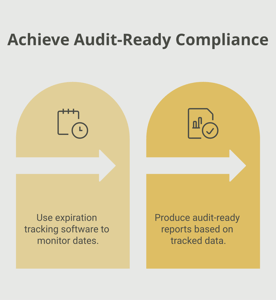
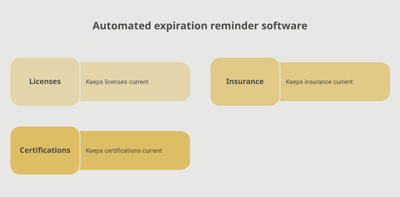
Tracking employee certifications and licenses doesn't have to be complicated. Expiration Reminder helps you send automated notification and keep your company compliant.
.png?width=2520&height=1800&name=67a0f630d9bbadc84df0deb5_AI_Scanner_1%20(1).png)
Key Facts
- Function: Focuses on improving the employee lifecycle - from hiring to exit - through data, feedback, and human-centered policies.
- Mindset: Shifts HR from administrative to strategic, prioritizing culture, innovation, and people-first processes.
- Tools: Uses technology and analytics to optimize engagement, performance, and retention.
- Origin: Popularized by tech companies like Google to modernize HR.
- Scope: Includes HR functions like recruiting, onboarding, compensation, performance management, DEI, and employee satisfaction.
1. How is People Operations different from traditional HR?
People Ops is more proactive, strategic, and focused on employee experience and organizational culture, while traditional HR often emphasizes compliance and administration.
2. Why is People Operations important?
It improves employee engagement, reduces turnover, supports DEI, and aligns talent strategies with company goals - making businesses more adaptive and innovative.
3. What roles exist within People Operations?
Roles range from People Operations Specialists to VPs of People, often overlapping with talent management, HR analytics, and organizational development.
4. What companies use People Operations?
Tech companies like Google, Salesforce, and Netflix were early adopters, but many modern businesses now adopt People Ops frameworks.
5. Can small businesses benefit from People Ops?
Yes. Even small companies benefit from prioritizing employee experience, performance feedback, and culture-building from the start.
Make sure your company is compliant
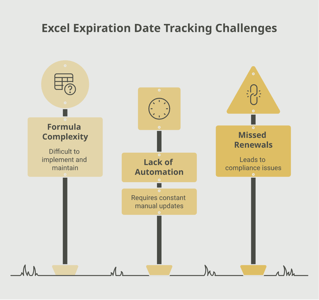
Say goodbye to outdated spreadsheets and hello to centralized credential management. Avoid fines and late penalties by managing your employee certifications with Expiration Reminder.