Overtime refers to the additional hours worked by an employee beyond their standard or contractual work schedule, typically exceeding 40 hours per week in the U.S. Labor laws require employers to pay employees at a higher wage rate - often time and a half - for overtime hours to compensate for the extra work. Overtime rules help regulate work hours, prevent employee burnout, and ensure fair compensation.
Simplify credential management
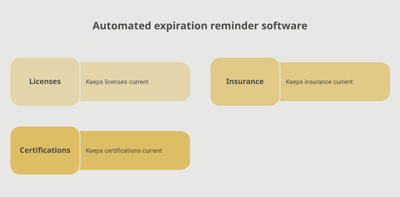
Tracking employee certifications and licenses doesn't have to be complicated. Expiration Reminder helps you send automated notification and keep your company compliant.
.png?width=2520&height=1800&name=67a0f630d9bbadc84df0deb5_AI_Scanner_1%20(1).png)
Key Facts
- Threshold: Generally, overtime applies after 40 hours worked in a workweek under the Fair Labor Standards Act (FLSA).
- Pay Rate: Usually paid at 1.5 times the regular hourly wage (“time and a half”).
- Exemptions: Certain employees, such as salaried executives or professionals, may be exempt from overtime pay.
- Tracking: Employers must accurately track hours worked to calculate overtime.
- Variations: Some states have stricter or additional overtime regulations beyond federal law.
1. When does overtime pay apply?
After an employee works more than 40 hours in a workweek (in most cases).
2. How is overtime pay calculated?
At 1.5 times the employee’s regular hourly rate for each overtime hour worked.
3. Are all employees eligible for overtime?
No, some job roles are exempt based on duties and salary thresholds.
4. Can employers require overtime?
Yes, employers can require overtime unless restricted by contract or union agreements.
5. Do state overtime laws differ from federal laws?
Yes, some states have additional rules, such as daily overtime or different thresholds.
Make sure your company is compliant
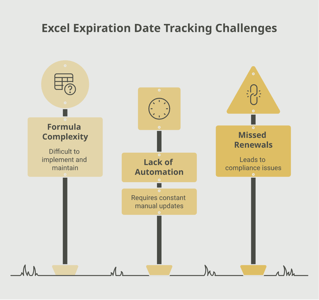
Say goodbye to outdated spreadsheets and hello to centralized credential management. Avoid fines and late penalties by managing your employee certifications with Expiration Reminder.