Offboarding is the formal process that manages an employee’s departure from an organization, whether due to resignation, retirement, termination, or layoff. This process ensures a smooth transition by handling knowledge transfer, return of company property, revoking access rights, and conducting exit interviews. Proper offboarding protects company assets, maintains security, and supports positive employee relations even after departure.
Simplify credential management
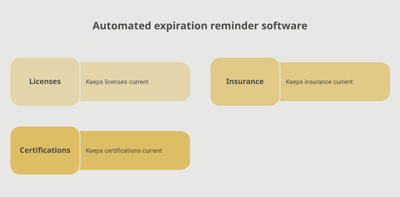
Tracking employee certifications and licenses doesn't have to be complicated. Expiration Reminder helps you send automated notification and keep your company compliant.
.png?width=2520&height=1800&name=67a0f630d9bbadc84df0deb5_AI_Scanner_1%20(1).png)
Key Facts
- Purpose: Facilitates a smooth exit and protects company interests.
- Steps: May include knowledge transfer, exit interviews, final payroll, and revoking system access.
- Security: Ensures return of company property and disables digital access.
- Documentation: Completes necessary paperwork like benefits continuation or nondisclosure reminders.
- Impact: Helps maintain positive relationships and can provide feedback to improve retention.
1. What is offboarding?
The structured process of managing an employee’s exit from a company.
2. Why is offboarding important?
To secure company assets, ensure knowledge transfer, and maintain goodwill.
3. What activities are involved in offboarding?
Exit interviews, return of equipment, final pay processing, and access revocation.
4. How does offboarding affect company security?
It prevents unauthorized access to systems and protects sensitive information.
5. Can offboarding provide value to the company?
Yes, by gathering feedback and identifying areas for workplace improvement.
Make sure your company is compliant
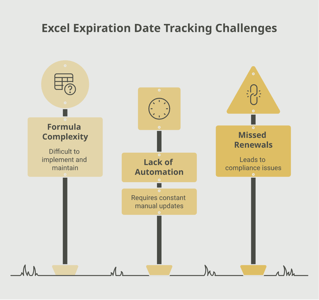
Say goodbye to outdated spreadsheets and hello to centralized credential management. Avoid fines and late penalties by managing your employee certifications with Expiration Reminder.