A Nonresident Alien is an individual who is not a U.S. citizen and does not meet the Green Card test or the Substantial Presence Test, meaning they do not reside permanently or meet the residency criteria in the United States for tax purposes. Nonresident aliens are subject to different tax rules and withholding requirements compared to U.S. residents and citizens, particularly on income earned within the U.S.
Simplify credential management
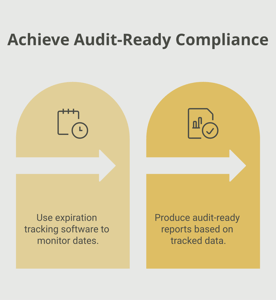
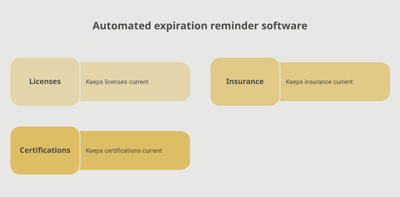
Tracking employee certifications and licenses doesn't have to be complicated. Expiration Reminder helps you send automated notification and keep your company compliant.
.png?width=2520&height=1800&name=67a0f630d9bbadc84df0deb5_AI_Scanner_1%20(1).png)
Key Facts
- Residency Status: Determined by IRS tests (Green Card and Substantial Presence).
- Taxation: Typically taxed only on U.S.-source income, not worldwide income.
- Withholding: Different withholding rules apply, often at a flat rate (such as 30%) unless reduced by treaty.
- Filing Requirements: Must file Form 1040-NR if they have U.S. income subject to tax.
- Treaty Benefits: Tax treaties between the U.S. and other countries may reduce tax liability.
1. Who is considered a nonresident alien?
Someone who isn’t a U.S. citizen and doesn’t meet the IRS residency tests.
2. How is a nonresident alien taxed?
Generally only on income sourced in the U.S., not on worldwide income.
3. What tax forms do nonresident aliens file?
Typically Form 1040-NR for U.S. income tax reporting.
4. Are there special withholding rules for nonresident aliens?
Yes, withholding is often at a flat 30% rate unless a tax treaty applies.
5. Can nonresident aliens claim tax treaty benefits?
Yes, if a treaty exists between the U.S. and their home country, they may qualify for reduced rates or exemptions.
Make sure your company is compliant
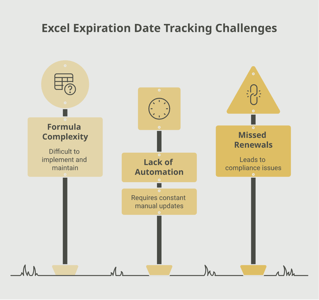
Say goodbye to outdated spreadsheets and hello to centralized credential management. Avoid fines and late penalties by managing your employee certifications with Expiration Reminder.