Insubordination is the willful disobedience of or refusal to follow a lawful and reasonable order from a supervisor or authority figure in the workplace. It typically involves a direct challenge to managerial authority and can result in disciplinary actions, including warnings, suspension, or termination. Insubordination is distinct from poor performance - it is about behavior, not ability.
Simplify credential management
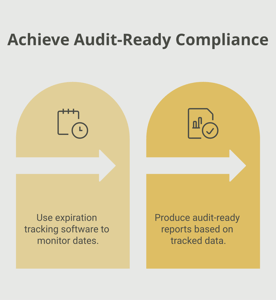
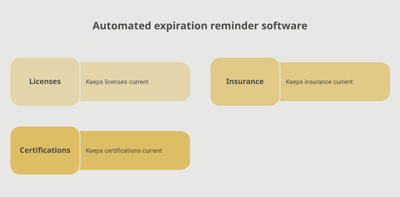
Tracking employee certifications and licenses doesn't have to be complicated. Expiration Reminder helps you send automated notification and keep your company compliant.
.png?width=2520&height=1800&name=67a0f630d9bbadc84df0deb5_AI_Scanner_1%20(1).png)
Key Facts
- Definition: Refusal to obey a lawful and reasonable directive from someone in a position of authority.
- Examples: Talking back to a manager, refusing to complete assigned work, or openly disrespecting leadership.
- Legal Considerations: Must be clearly documented and the order must be lawful and reasonable.
- Discipline: Can lead to termination if severe or repeated.
- Exceptions: Employees may legally refuse tasks that are unsafe, illegal, or violate labor laws.
1. What qualifies as insubordination at work?
Refusing a direct, lawful order from a supervisor or showing disrespect toward authority in a way that disrupts the workplace.
2. Is insubordination the same as disagreement?
No, simply disagreeing with a supervisor is not insubordination - refusing to carry out orders or being disrespectful is.
3. Can you be fired for insubordination?
Yes, especially if it is severe, repeated, or negatively affects workplace operations or morale.
4. How should employers handle insubordination?
Through clear documentation, investigation, and consistent disciplinary action according to company policy.
5. What if the task assigned was unethical or illegal?
Employees have the right to refuse unlawful, unsafe, or unethical orders without it being considered insubordination.
Make sure your company is compliant
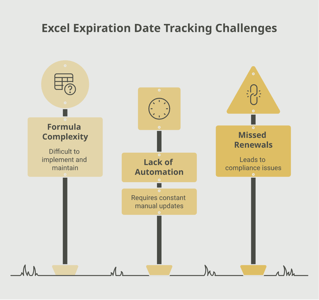
Say goodbye to outdated spreadsheets and hello to centralized credential management. Avoid fines and late penalties by managing your employee certifications with Expiration Reminder.