Gross-Up is a financial calculation used by employers to increase an employee’s payment to cover the taxes owed on a taxable benefit or bonus, ensuring the employee receives the full intended amount after taxes. Essentially, the employer “grosses up” the payment so that after the employee pays income taxes on the amount, their net income equals the original benefit amount promised. Gross-up is common for relocation allowances, bonuses, or other taxable perks where the employer wants to fully cover tax liabilities on behalf of the employee.
Simplify credential management
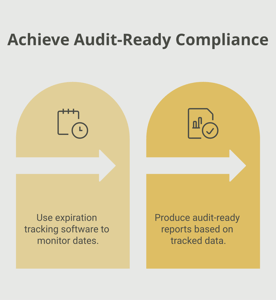
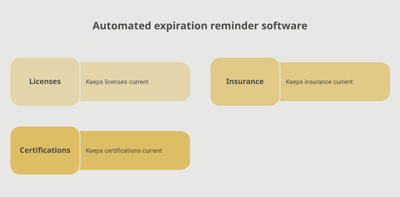
Tracking employee certifications and licenses doesn't have to be complicated. Expiration Reminder helps you send automated notification and keep your company compliant.
.png?width=2520&height=1800&name=67a0f630d9bbadc84df0deb5_AI_Scanner_1%20(1).png)
Key Facts
- Purpose: To cover the employee’s tax liability on benefits or bonuses so they receive the full amount intended.
- Common Uses: Relocation expenses, signing bonuses, awards, or other taxable perks.
- Calculation: The gross-up amount includes the original payment plus additional funds to cover income and payroll taxes.
- Benefit to Employees: Prevents reduction of take-home pay due to tax withholding on special payments.
- Employer Cost: Gross-ups increase the total employer expense since taxes are effectively paid twice (by employer and employee).
1. What does it mean to gross-up a payment?
It means increasing a payment amount so that after taxes are deducted, the recipient still receives the full intended net amount.
2. Why do employers gross-up benefits or bonuses?
To ensure employees receive the full benefit or bonus amount promised without being reduced by income taxes.
3. How is gross-up calculated?
By dividing the intended net amount by (1 minus the combined tax rate), accounting for federal, state, and payroll taxes.
4. Does gross-up apply to all payments?
No, it’s typically used for specific taxable benefits or bonuses, not regular wages or salary.
5. Is gross-up taxable income for the employee?
Yes, the grossed-up amount is still taxable income and must be reported for tax purposes.
Make sure your company is compliant
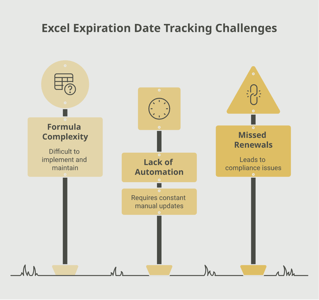
Say goodbye to outdated spreadsheets and hello to centralized credential management. Avoid fines and late penalties by managing your employee certifications with Expiration Reminder.