Generation Y, more commonly known as Millennials, refers to the demographic cohort born approximately between 1981 and 1996. This generation came of age during the rise of the internet, smartphones, social media, and a rapidly globalizing economy. Millennials are often characterized by their technological fluency, value-driven mindset, and desire for meaningful work-life balance. They experienced major global events such as 9/11, the Great Recession, and the explosion of digital technology, shaping their worldview and consumer behaviors.
Simplify credential management
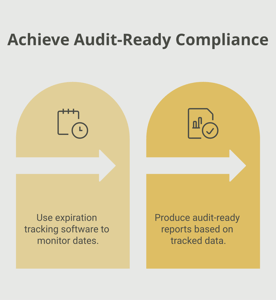
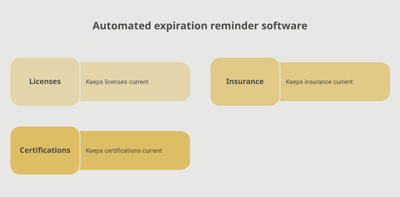
Tracking employee certifications and licenses doesn't have to be complicated. Expiration Reminder helps you send automated notification and keep your company compliant.
.png?width=2520&height=1800&name=67a0f630d9bbadc84df0deb5_AI_Scanner_1%20(1).png)
Key Facts
- Birth Years: Roughly 1981 to 1996, though some sources may shift this slightly.
- Digital Natives: First generation to grow up with the internet, smartphones, and social media.
- Values: Prioritize purpose, flexibility, diversity, and inclusion in workplaces.
- Financial Struggles: Affected by student debt and the 2008 financial crisis.
- Work Style: Prefer collaborative environments, frequent feedback, and personal growth opportunities.
1. What are the birth years of Generation Y?
Generation Y, or Millennials, are typically born between 1981 and 1996, though some definitions vary slightly.
2. Why is Generation Y also called Millennials?
Because many members of this cohort came of age around the year 2000, or the millennium, the term “Millennials” became a popular nickname.
3. What are key traits of Millennials?
They are known for being tech-savvy, socially conscious, collaborative, and purpose-driven, often valuing experiences over material goods.
4. What major events shaped Generation Y?
Events like 9/11, the Great Recession, the rise of social media, and the rapid advancement of technology have heavily influenced this generation’s mindset.
5. How does Generation Y impact the workplace?
Millennials have reshaped workplace culture by advocating for flexibility, remote work, diversity, and mental health awareness, and are now entering leadership roles in many industries.
Make sure your company is compliant
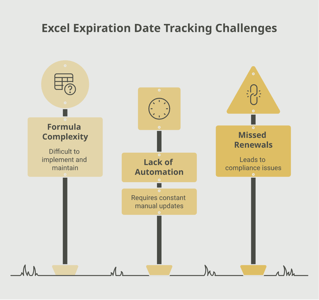
Say goodbye to outdated spreadsheets and hello to centralized credential management. Avoid fines and late penalties by managing your employee certifications with Expiration Reminder.