A Flexible Workplace refers to a work environment that offers employees flexible options regarding where, when, and how they perform their job duties. This approach prioritizes work-life balance and productivity by allowing arrangements such as remote work, flexible hours, compressed workweeks, or hybrid models that combine office and off-site work.
Simplify credential management
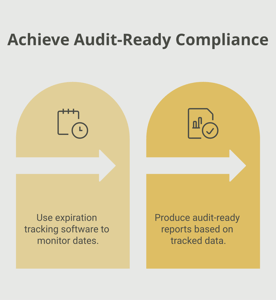
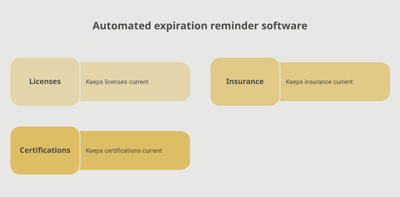
Tracking employee certifications and licenses doesn't have to be complicated. Expiration Reminder helps you send automated notification and keep your company compliant.
.png?width=2520&height=1800&name=67a0f630d9bbadc84df0deb5_AI_Scanner_1%20(1).png)
Key Facts
- Flexible Hours: Employees can adjust their start and end times beyond the traditional 9-to-5 schedule.
- Remote Work Options: Employees may work from home or other locations outside the traditional office.
- Hybrid Models: Combines in-office and remote work to offer balance and collaboration.
- Increases Productivity and Satisfaction: Studies show flexibility can improve employee morale, reduce burnout, and boost productivity.
- Supports Diversity and Inclusion: Flexible workplaces accommodate diverse needs, including caregivers, people with disabilities, and different time zones.
- Requires Trust and Technology: Success depends on good communication tools, clear policies, and mutual trust.
- Growing Trend: Accelerated by the COVID-19 pandemic and increasing demand for work-life integration.
1. What is a flexible workplace?
A work setting that allows employees to choose when, where, and how they work, beyond the traditional office hours.
2. How does flexible work benefit employees?
It enhances work-life balance, reduces commute stress, and increases job satisfaction.
3. What types of flexible work arrangements exist?
Common types include telecommuting, flexible hours, compressed workweeks, and hybrid work models.
4. How do employers manage flexible workplaces?
Through clear policies, technology platforms for communication and project management, and setting performance goals.
5. Are flexible workplaces suitable for all jobs?
Not always; some roles require physical presence or specific schedules, but many can adapt with the right tools.
Make sure your company is compliant
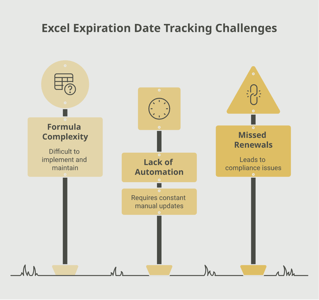
Say goodbye to outdated spreadsheets and hello to centralized credential management. Avoid fines and late penalties by managing your employee certifications with Expiration Reminder.