A Flexible Spending Account (FSA) is a tax-advantaged financial account offered by employers that allows employees to set aside pre-tax dollars to pay for eligible medical, dental, vision, and dependent care expenses. Contributions are deducted from paychecks before taxes, lowering taxable income and providing immediate tax savings. FSAs typically have a “use-it-or-lose-it” rule, meaning funds must be spent within the plan year or a short grace period, or they are forfeited.
Simplify credential management
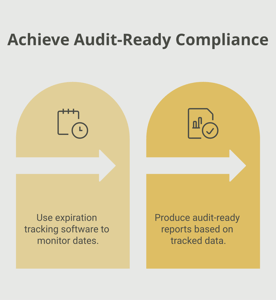
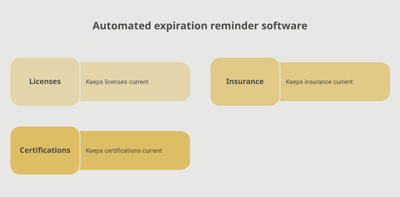
Tracking employee certifications and licenses doesn't have to be complicated. Expiration Reminder helps you send automated notification and keep your company compliant.
.png?width=2520&height=1800&name=67a0f630d9bbadc84df0deb5_AI_Scanner_1%20(1).png)
Key Facts
- Pre-Tax Contributions: Money is deducted from an employee’s paycheck before federal taxes, Social Security, and Medicare taxes are calculated.
- Eligible Expenses: Medical expenses such as copays, prescriptions, dental work, vision care, and some over-the-counter items; dependent care FSAs cover childcare or eldercare costs.
- Use-It-or-Lose-It Rule: Funds generally must be used within the plan year, although employers may offer a grace period (up to 2.5 months) or allow carrying over a limited amount (up to $610 in 2025).
- Contribution Limits: For health FSAs, the IRS limit is $3,050 per year (2025); dependent care FSAs have a limit of $5,000 per year per household.
- Employer-Sponsored: FSAs are offered only through employers; self-employed individuals cannot open an FSA independently.
- Enrollment Period: Typically, employees enroll during open enrollment and cannot change contributions during the year without qualifying life events.
- Tax Savings: Contributions reduce taxable income, and withdrawals for qualified expenses are tax-free.
1. What expenses can I pay for with an FSA?
Eligible expenses include doctor visits, prescriptions, dental care, vision exams and glasses, and some over-the-counter health products.
2. Can I carry over unused FSA funds?
Employers may allow up to $610 to roll over to the next plan year or offer a grace period; otherwise, unused funds are forfeited.
3. How much can I contribute to an FSA?
The IRS limits health FSA contributions to $3,050 per year (2025). Dependent care FSAs have a $5,000 limit per household.
4. Can I change my FSA contributions mid-year?
Generally no, unless you experience a qualifying life event such as marriage, birth, or job change.
5. How do FSAs differ from HSAs?
FSAs are employer-sponsored with use-it-or-lose-it rules; HSAs are individually owned with funds that roll over and can be invested.
Make sure your company is compliant
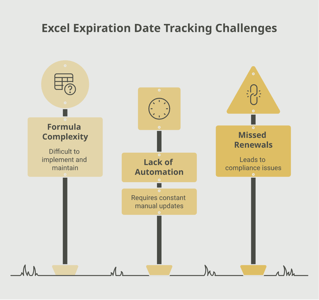
Say goodbye to outdated spreadsheets and hello to centralized credential management. Avoid fines and late penalties by managing your employee certifications with Expiration Reminder.