An Exempt Employee is a worker who is exempt from the overtime pay requirements of the Fair Labor Standards Act (FLSA). This means they do not receive extra pay for working more than 40 hours in a workweek. Exempt status typically applies to salaried employees in executive, administrative, professional, or outside sales roles who meet specific duties and salary thresholds set by the U.S. Department of Labor.
Simplify credential management
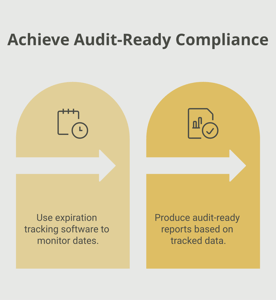
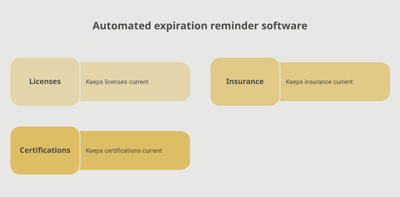
Tracking employee certifications and licenses doesn't have to be complicated. Expiration Reminder helps you send automated notification and keep your company compliant.
.png?width=2520&height=1800&name=67a0f630d9bbadc84df0deb5_AI_Scanner_1%20(1).png)
Key Facts
- No Overtime Pay: Exempt employees are not entitled to overtime pay, regardless of hours worked beyond 40 per week.
- Salary Threshold: As of 2025, most exempt employees must earn at least $684 per week ($35,568 annually) to qualify (subject to updates).
- Job Duties Test: To be exempt, employees must primarily perform executive, administrative, professional, or certain computer/sales roles as defined by the FLSA.
- Paid a Salary, Not Hourly: Exempt employees usually receive a fixed salary not based on hours worked.
- Not All Salaried Employees Are Exempt: Simply being on salary does not automatically make someone exempt - they must meet both salary and job duty criteria.
- Misclassification Can Be Costly: Improperly classifying a non-exempt worker as exempt can result in penalties, back pay, and legal consequences.
1. What is an exempt employee?
An exempt employee is not entitled to overtime pay because they meet certain job and salary requirements under the FLSA.
2. How do I know if I’m exempt?
You must be paid a minimum salary and perform specific job duties (executive, administrative, etc.) outlined by the FLSA.
3. Can exempt employees work more than 40 hours?
Yes, and they do not receive extra pay for those additional hours.
4. Are all salaried employees exempt?
No. Exemption is based on both job duties and salary level, not just how you’re paid.
5. What happens if an employee is misclassified as exempt?
The employer may owe back pay for unpaid overtime and could face fines and legal action.
Make sure your company is compliant
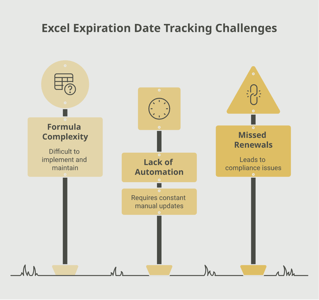
Say goodbye to outdated spreadsheets and hello to centralized credential management. Avoid fines and late penalties by managing your employee certifications with Expiration Reminder.