Evidence of Insurability (EOI) is a medical questionnaire or health screening that insurance companies may require individuals to complete before approving certain types of coverage, such as life insurance, disability insurance, or supplemental health benefits. EOI helps insurers assess the applicant’s health risk before issuing or increasing coverage beyond guaranteed amounts.
Simplify credential management
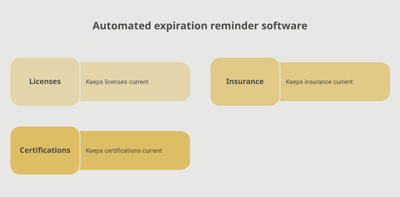
Tracking employee certifications and licenses doesn't have to be complicated. Expiration Reminder helps you send automated notification and keep your company compliant.
.png?width=2520&height=1800&name=67a0f630d9bbadc84df0deb5_AI_Scanner_1%20(1).png)
Key Facts
- Used for Risk Assessment: Insurance providers use EOI to determine if an applicant qualifies for additional or voluntary coverage based on their current health condition.
- Often Required When:
- Enrolling in coverage outside of open enrollment
- Requesting coverage amounts above a guaranteed issue limit
- Reapplying after a lapsed policy
- Increasing coverage after the initial enrollment period
- What It Includes: Health questionnaires, medical history, and possibly physical exams, lab tests, or doctor statements.
- Approval Not Guaranteed: Unlike guaranteed issue coverage, EOI-based applications can be denied based on health risks or pre-existing conditions.
- Time-Sensitive Process: Insurance companies usually give a limited time frame to submit EOI documentation or schedule exams.
- Group Versus Individual Policies: EOI is more common with individual or supplemental group policies when coverage goes beyond standard employer-provided plans.
1. What is Evidence of Insurability?
EOI is a health questionnaire or medical assessment required by insurers before approving or increasing certain types of coverage.
2. When is EOI required?
It’s usually required when requesting life or disability insurance beyond the guaranteed limit, or applying outside of the normal enrollment period.
3. What happens if my EOI is denied?
Your request for additional coverage may be denied, but you may still keep any coverage that was already guaranteed or explore other options.
4. How do I complete an EOI?
Typically, you’ll fill out a form provided by your insurer. Some cases may require a medical exam or additional documentation from a healthcare provider.
5. Is EOI required for employer-provided benefits?
Not usually for basic group plans, but yes if you want to elect higher coverage amounts or enroll late.
Make sure your company is compliant
Say goodbye to outdated spreadsheets and hello to centralized credential management. Avoid fines and late penalties by managing your employee certifications with Expiration Reminder.