Equity and equality are both principles related to fairness, but they differ in approach:
- Equality means treating everyone the same, giving everyone the same resources or opportunities.
- Equity means treating people fairly according to their needs, which may involve giving different levels of support to achieve equal outcomes.
In the workplace, education, or social policy, equity aims to level the playing field by acknowledging and addressing individual differences or barriers.
Simplify credential management
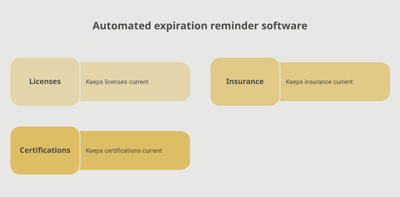
Tracking employee certifications and licenses doesn't have to be complicated. Expiration Reminder helps you send automated notification and keep your company compliant.
.png?width=2520&height=1800&name=67a0f630d9bbadc84df0deb5_AI_Scanner_1%20(1).png)
Key Facts
- Equality = Uniformity: Everyone gets the same treatment, regardless of need or circumstances.
- Equity = Fairness: People get the support they need based on their unique situation to reach an equal outcome.
- Equity Recognizes Systemic Barriers: It accounts for historical or social disadvantages (for example, disability, poverty, race, and more).
- Common Analogy: If three people of different heights are trying to look over a fence equality gives each one the same-size box, while equity gives each person a box size based on what they need to see over the fence.
- In the Workplace:
- Equality = Offering the same training or benefits to everyone.
- Equity = Offering extra training to someone who didn’t have previous opportunities or adjusting policies for accessibility.
- Goal Alignment: Both aim for fairness, but equity is the strategy to reach equal outcomes.
1. What is the main difference between equity and equality?
Equality gives everyone the same thing; equity gives people what they need to succeed based on their individual circumstances.
2. Why is equity important in the workplace?
Because it helps remove barriers and ensures that all employees have a fair chance to succeed, regardless of their background or needs.
3. Can equality exist without equity?
Yes - but it may be ineffective. Equal treatment doesn’t guarantee fair outcomes if people start from unequal positions.
4. How can organizations promote equity?
By identifying disparities, offering targeted support, revising policies, and using inclusive hiring and promotion practices.
5. Is one better than the other?
Not necessarily - equality is the goal, and equity is often the path to get there.
Make sure your company is compliant
Say goodbye to outdated spreadsheets and hello to centralized credential management. Avoid fines and late penalties by managing your employee certifications with Expiration Reminder.