Employee Type refers to the classification of workers within an organization based on factors such as their employment status, job role, work schedule, and legal classification. Common employee types include full-time, part-time, temporary, contract, exempt, and non-exempt employees. Understanding employee types helps organizations manage benefits, payroll, compliance, and workforce planning.
Simplify credential management
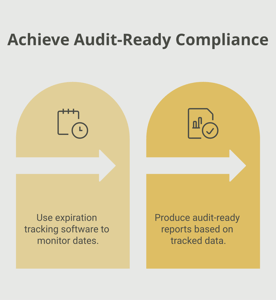
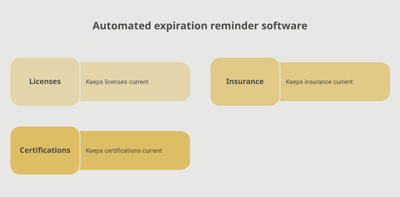
Tracking employee certifications and licenses doesn't have to be complicated. Expiration Reminder helps you send automated notification and keep your company compliant.
.png?width=2520&height=1800&name=67a0f630d9bbadc84df0deb5_AI_Scanner_1%20(1).png)
Key Facts
- Common Classifications Include:
- Full-Time: Employees working standard hours (typically 35–40+ hours/week) with full benefits.
- Part-Time: Employees working fewer hours than full-time, often with limited or no benefits.
- Temporary: Workers hired for a limited period or project-based assignments.
- Contractors: Independent workers hired for specific tasks, not considered employees legally.
- Exempt Versus Non-exempt: Classification under the Fair Labor Standards Act (FLSA) determining eligibility for overtime pay.
- Legal Implications: Different employee types have varying rights, benefits, and protections under labor laws.
- Benefits and Compensation Vary: Full-time employees usually receive full benefits, while part-time and temporary workers may have limited or no benefits.
- Payroll and Tax Differences: Employers handle taxes and payroll differently depending on the employee type (e.g., contractors handle their own taxes).
- Workforce Planning Impact: Knowing employee types helps with scheduling, budgeting, and compliance.
1. What are the different employee types?
Full-time, part-time, temporary, contract, exempt, and non-exempt are the main classifications.
2. What is the difference between exempt and non-exempt employees?
Exempt employees are salaried and not eligible for overtime; non-exempt employees must be paid overtime for hours worked beyond 40 per week.
3. Do part-time employees get benefits?
It depends on the employer and local laws; part-time employees often receive limited or no benefits.
4. Are contractors considered employees?
No, contractors are independent workers, not covered by employee labor protections or benefits.
5. Why is it important to classify employee types correctly?
To ensure compliance with labor laws, proper tax treatment, benefits administration, and workforce management.
Make sure your company is compliant
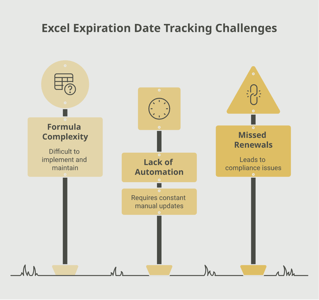
Say goodbye to outdated spreadsheets and hello to centralized credential management. Avoid fines and late penalties by managing your employee certifications with Expiration Reminder.