Employee Relations refers to the ongoing efforts by an organization to maintain positive relationships between employers and employees. It involves fostering trust, resolving workplace conflicts, promoting open communication, ensuring fair treatment, and maintaining legal compliance. The goal is to create a healthy, productive, and respectful work environment where both the organization and its employees thrive.
Simplify credential management
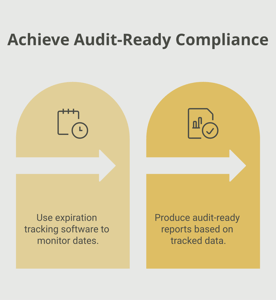
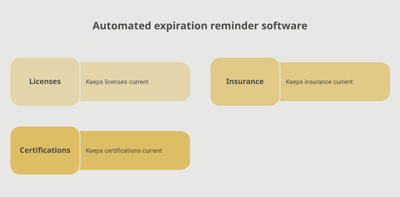
Tracking employee certifications and licenses doesn't have to be complicated. Expiration Reminder helps you send automated notification and keep your company compliant.
.png?width=2520&height=1800&name=67a0f630d9bbadc84df0deb5_AI_Scanner_1%20(1).png)
Key Facts
- Focuses on Trust and Engagement: Strong employee relations encourage mutual respect, transparency, and open dialogue between workers and management.
- Ensures Legal Compliance: Involves adherence to labor laws, anti-discrimination policies, health and safety regulations, and disciplinary procedures.
- Handled by HR or ER Specialists: HR professionals or Employee Relations (ER) specialists manage complaints, investigations, policy enforcement, and employee support programs.
- Conflict Resolution Is Central: Includes addressing grievances, disputes, or misconduct through fair and structured procedures.
- Directly Impacts Morale and Retention: Positive employee relations reduce turnover, increase productivity, and strengthen company culture.
- Policies and Procedures Play a Role: Clear workplace policies (for example, codes of conduct, disciplinary actions) form the foundation for effective employee relations.
1. What is employee relations?
It’s the management of the relationship between employer and employee, focusing on communication, conflict resolution, and workplace fairness.
2. Why is employee relations important?
It boosts morale, reduces turnover, improves productivity, and helps prevent legal issues.
3. What are examples of employee relations issues?
Workplace conflicts, complaints of unfair treatment, harassment claims, poor communication, and policy violations.
4. How can companies improve employee relations?
By promoting open communication, offering training, implementing fair policies, and handling concerns promptly and respectfully.
5. Who is responsible for managing employee relations?
Primarily the Human Resources department, but supervisors and managers play a key role in maintaining day-to-day relationships.
Make sure your company is compliant
Say goodbye to outdated spreadsheets and hello to centralized credential management. Avoid fines and late penalties by managing your employee certifications with Expiration Reminder.