The Employee Net Promoter Score (eNPS) is a simple metric used to measure employee loyalty and satisfaction by asking one core question: “On a scale of 0 to 10, how likely are you to recommend this company as a place to work?”
Responses are used to gauge how employees feel about their workplace, helping employers assess overall engagement and identify opportunities for improvement. It is adapted from the Net Promoter Score (NPS) used to measure customer loyalty.
Simplify credential management
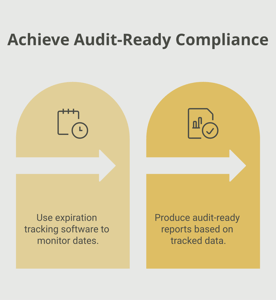
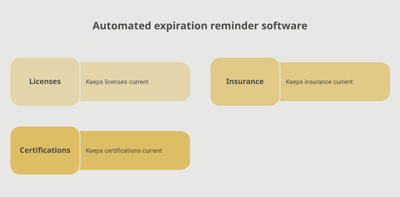
Tracking employee certifications and licenses doesn't have to be complicated. Expiration Reminder helps you send automated notification and keep your company compliant.
.png?width=2520&height=1800&name=67a0f630d9bbadc84df0deb5_AI_Scanner_1%20(1).png)
Key Facts
- Scoring Breakdown:
- Promoters (9-10): Loyal and enthusiastic employees
- Passives (7-8): Satisfied but not actively promoting
- Detractors (0-6): Unhappy and potentially harmful to company morale
- Formula: eNPS = % of Promoters – % of Detractors (Passives are excluded from the final score)
- Quick Pulse Check: Often used as a fast, anonymous way to measure workplace sentiment without long surveys.
- Frequency: Can be measured quarterly, bi-annually, or after major company events to track changes in morale.
- Helps Drive Retention Strategies: A low eNPS alerts leadership to disengagement, prompting action to improve workplace culture and satisfaction.
- Often Paired With Feedback: Companies usually follow up the eNPS question with open-ended prompts (for example, “What’s the main reason for your score?”) for deeper insight.
1. What is the Employee Net Promoter Score (eNPS)?
It’s a metric that measures employee loyalty by asking how likely they are to recommend their workplace to others.
2. How is eNPS calculated?
Subtract the percentage of Detractors from the percentage of Promoters; Passives are not included in the calculation.
3. Why is eNPS important?
It gives quick, actionable insight into employee satisfaction and helps guide retention and engagement strategies.
4. What is a good eNPS score?
Scores can range from -100 to +100. A score above 0 is considered good, 10–30 is strong, and above 50 is excellent.
5. How can companies improve their eNPS?
By addressing employee feedback, improving communication, recognizing contributions, and offering growth opportunities.
Make sure your company is compliant
Say goodbye to outdated spreadsheets and hello to centralized credential management. Avoid fines and late penalties by managing your employee certifications with Expiration Reminder.