An Employee Handbook is a comprehensive manual or guide provided by an employer that outlines the company’s policies, expectations, values, procedures, and employee rights and responsibilities. It serves as a reference document for employees and helps ensure consistency and legal compliance across the organization. The handbook typically covers topics like workplace behavior, benefits, attendance, safety, and disciplinary procedures.
Simplify credential management
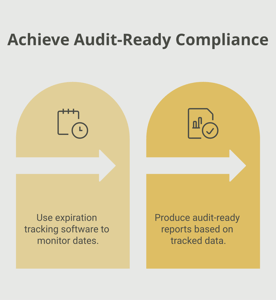
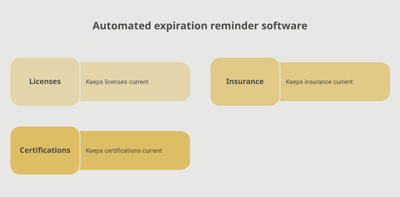
Tracking employee certifications and licenses doesn't have to be complicated. Expiration Reminder helps you send automated notification and keep your company compliant.
.png?width=2520&height=1800&name=67a0f630d9bbadc84df0deb5_AI_Scanner_1%20(1).png)
Key Facts
- Outlines Company Policies: Includes rules on conduct, dress code, use of technology, confidentiality, anti-harassment, and drug/alcohol use.
- Legally Significant: While not a contract, a well-drafted handbook can protect the employer legally and clarify employee rights.
- Introduces Company Culture: Communicates the organization’s mission, values, and expectations to new hires.
- Includes HR and Compliance Information: Covers wage and hour laws, leave policies, health and safety guidelines, and procedures for filing complaints.
- Must Be Updated Regularly: Laws and company policies change, so handbooks should be reviewed and revised regularly to stay current.
- Acknowledgment Required: Employees typically sign a form acknowledging receipt and understanding of the handbook.
1. What is an employee handbook?
A document that outlines a company’s rules, policies, procedures, and expectations for employees.
2. Why is an employee handbook important?
It provides clear guidelines, reduces misunderstandings, ensures compliance with laws, and protects both the employer and employees.
3. What should be included in an employee handbook?
Policies on conduct, attendance, benefits, dress code, harassment, disciplinary actions, and legal rights.
4. Is the employee handbook a legal contract?
Generally no, but it may have legal weight if disputes arise and can protect the employer if written clearly.
5. How often should an employee handbook be updated?
At least annually, or whenever major legal, procedural, or company policy changes occur.
Make sure your company is compliant
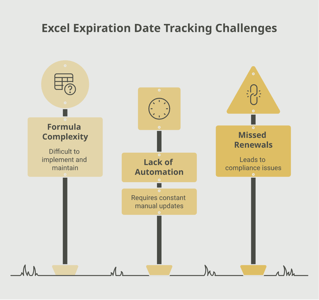
Say goodbye to outdated spreadsheets and hello to centralized credential management. Avoid fines and late penalties by managing your employee certifications with Expiration Reminder.