Emotional Intelligence (EI or EQ) is the ability to recognize, understand, manage, and use one’s own emotions and the emotions of others in positive and constructive ways. It helps individuals communicate effectively, empathize with others, overcome challenges, and resolve conflicts. Emotional intelligence plays a vital role in leadership, teamwork, and personal relationships.
Simplify credential management
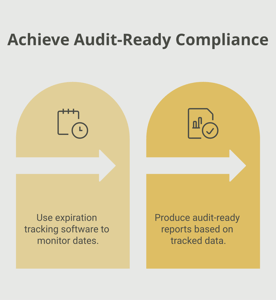
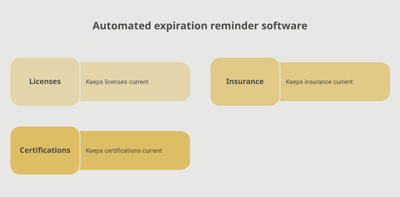
Tracking employee certifications and licenses doesn't have to be complicated. Expiration Reminder helps you send automated notification and keep your company compliant.
.png?width=2520&height=1800&name=67a0f630d9bbadc84df0deb5_AI_Scanner_1%20(1).png)
Key Facts
- Employment Relationship: Employees have a formal agreement with employers, which may be written or implied, establishing roles, responsibilities, and compensation.
- Controlled Work: Employees work under the employer’s control regarding how, when, and where the work is done.
- Compensation and Benefits: Typically receive wages, salary, and may be eligible for benefits like health insurance, retirement plans, and paid leave.
- Protected by Labor Laws: Employees have rights under laws covering minimum wage, overtime, workplace safety, anti-discrimination, and unemployment benefits.
- Distinguished From Independent Contractors: Unlike contractors, employees have less autonomy and are integrated into the employer’s business.
- Work Hours and Schedule: Employers often set hours and schedules for employees, who must comply.
1. What defines an employee?
Someone hired to perform work under the employer’s control in exchange for compensation.
2. How is an employee different from an independent contractor?
Employees have more oversight and legal protections; contractors work independently and handle their own taxes and benefits.
3. What rights do employees have?
Rights to fair wages, safe work environments, anti-discrimination protections, and benefits depending on employer policies.
4. Can an employee negotiate their salary?
Yes, employees can often negotiate pay and benefits before accepting a job or during performance reviews.
5. Are employees entitled to benefits?
Many are, but benefits vary by employer and employment contract; some benefits are legally required.
Make sure your company is compliant
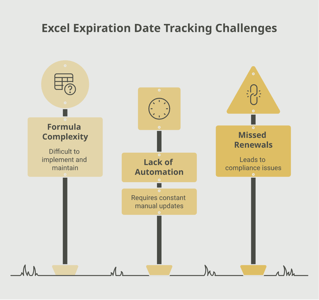
Say goodbye to outdated spreadsheets and hello to centralized credential management. Avoid fines and late penalties by managing your employee certifications with Expiration Reminder.