Diversity in the workplace and society refers to the presence of differences within a group or organization. These differences can include a wide range of attributes such as race, ethnicity, gender, age, sexual orientation, disability, religion, socioeconomic background, and cultural perspectives. Embracing diversity means valuing and leveraging these differences to create a more inclusive, innovative, and effective environment.
Diversity is a foundational element for equity, inclusion, and social justice initiatives, and it plays a critical role in improving organizational performance and employee satisfaction.
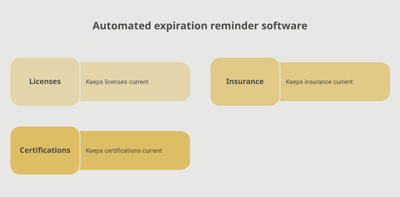
Simplify credential management
Tracking employee certifications and licenses doesn't have to be complicated. Expiration Reminder helps you send automated notification and keep your company compliant.
.png?width=2520&height=1800&name=67a0f630d9bbadc84df0deb5_AI_Scanner_1%20(1).png)
Key Facts
- Covers Multiple Dimensions: Includes visible differences (race, gender, age) and invisible ones (education, religion, sexual orientation, life experiences).
- Drives Innovation and Creativity: Diverse teams bring varied perspectives that can lead to better problem-solving and decision-making.
- Supports Inclusion and Equity: Diversity efforts often go hand-in-hand with inclusion (making everyone feel welcomed and valued) and equity (fair treatment and opportunities).
- Legal Frameworks Influence Diversity: Many countries have anti-discrimination laws encouraging diverse hiring and equal opportunity (for example, Title VII in the U.S.).
- Linked to Business Performance: Research shows companies with diverse workforces tend to have higher financial returns, better employee engagement, and stronger reputations.
- Diversity Initiatives Include: Recruitment programs, mentorship, bias training, employee resource groups (ERGs), and inclusive policies.
1. What does diversity mean in the workplace?
It means having employees from a variety of backgrounds, identities, and experiences that contribute to a richer, more dynamic work environment.
2. Why is diversity important?
Diversity fosters innovation, creativity, and better decision-making, and helps organizations better reflect and serve their customers and communities.
3. How can organizations promote diversity?
By implementing inclusive hiring practices, diversity training, mentorship programs, and fostering a culture that values different perspectives.
4. What’s the difference between diversity and inclusion?
Diversity is about the presence of differences in a group, while inclusion is about making sure everyone feels welcomed, respected, and able to contribute.
5. Are there legal requirements for diversity?
Many countries have laws against discrimination and require equal employment opportunities, but diversity initiatives often go beyond legal compliance to actively promote a diverse workforce.
Make sure your company is compliant
Say goodbye to outdated spreadsheets and hello to centralized credential management. Avoid fines and late penalties by managing your employee certifications with Expiration Reminder.