Direct Deposit is an electronic payment method in which funds are transferred directly into an employee’s bank account - eliminating the need for physical checks. Most commonly used for payroll, direct deposit ensures fast, secure, and automated delivery of wages, benefits, tax refunds, and other payments.
It is widely preferred by both employers and employees due to its convenience, reliability, and cost-efficiency.
Simplify credential management
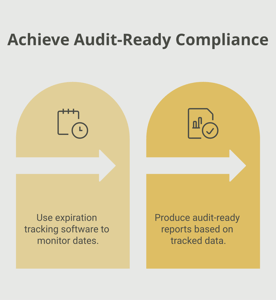
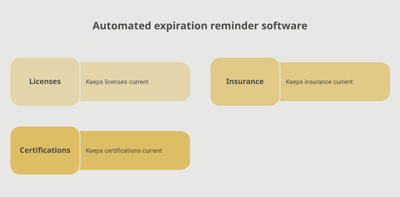
Tracking employee certifications and licenses doesn't have to be complicated. Expiration Reminder helps you send automated notification and keep your company compliant.
.png?width=2520&height=1800&name=67a0f630d9bbadc84df0deb5_AI_Scanner_1%20(1).png)
Key Facts
- Used for Various Payments: Employee wages, tax refunds, government benefits (Social Security, unemployment), expense reimbursements and bonuses.
- Faster Payment: Funds are usually available on payday morning, sometimes even earlier, depending on the bank’s processing.
- Secure and Paperless: Reduces the risk of lost, stolen, or forged checks and lowers administrative costs by eliminating paper handling.
- Pay Stub Still Provided: Even without a physical check, employees typically receive a digital or printed pay stub detailing their earnings, deductions, and net pay.
- Set-Up Requires Banking Info: Employees must provide bank name, account number, routing number, account type (checking or savings), and sometimes a voided check for verification.
- Can Split Deposits: Many payroll systems allow employees to split their paychecks across multiple accounts (for example, checking, savings, or retirement).
- Governed by the ACH Network: Direct deposits are processed via the Automated Clearing House (ACH), a U.S. network for electronic payments.
1. What is direct deposit and how does it work?
Direct deposit is an electronic transfer of funds directly into your bank account. Your employer submits payroll through a secure system (ACH), and the money is deposited into your account - usually by payday.
2. How do I set up direct deposit with my employer?
You’ll need to complete a direct deposit authorization form and provide your bank account and routing numbers, often along with a voided check.
3. How long does it take for direct deposit to go through?
Most deposits are made within 1–2 business days, but many employers schedule them to arrive on payday morning.
4. Is direct deposit safe?
Yes. It’s generally more secure than paper checks, reducing the risks of fraud, theft, or delivery errors.
5. Can I have my direct deposit go to more than one account?
Yes, many employers allow paycheck splitting, which lets you deposit a portion of your wages into different accounts (for example, checking and savings).
Make sure your company is compliant
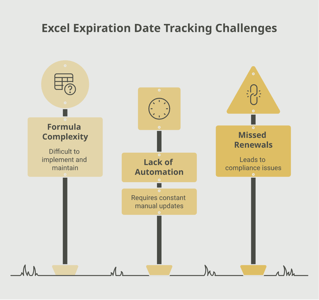
Say goodbye to outdated spreadsheets and hello to centralized credential management. Avoid fines and late penalties by managing your employee certifications with Expiration Reminder.