The Common-Law Test is a method used primarily by the IRS and other government agencies to determine whether a worker is an employee or an independent contractor. It focuses on the degree of control and independence in the working relationship. Under this test, a worker is considered an employee if the employer has the right to control not just the result of the work, but also the means and methods by which it is performed.
This test helps ensure proper tax classification, legal compliance, and protection of workers' rights under labor laws.
Simplify credential management
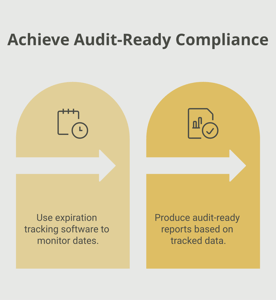
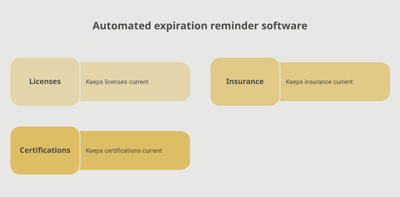
Tracking employee certifications and licenses doesn't have to be complicated. Expiration Reminder helps you send automated notification and keep your company compliant.
.png?width=2520&height=1800&name=67a0f630d9bbadc84df0deb5_AI_Scanner_1%20(1).png)
Key Facts
- Used by the IRS: The test is applied when determining whether to classify a worker as an employee (W-2) or independent contractor (1099) for tax and legal purposes.
- Three Key Categories of Control:
- Behavioral Control - Does the employer direct how the work is done (schedules, tools, training)?
- Financial Control - Does the employer control how the worker is paid, expenses reimbursed, or equipment used?
- Type of Relationship - Are there written contracts or benefits? Is the relationship ongoing? Is the work a key part of the business?
- Misclassification Penalties: Misclassifying workers can result in IRS fines, back taxes, and potential violations of wage and labor laws.
- Used Nationwide: While some states use other methods (like the ABC Test), the Common-Law Test is used federally, especially for tax compliance.
- Form SS-8: Employers or workers can file IRS Form SS-8 to request a formal determination of a worker’s classification under the Common-Law Test.
- Applies Across Industries: Relevant in gig economy, consulting, freelancing, and staff augmentation relationships.
1. What is the Common-Law Test?
The Common-Law Test is a framework used to determine whether a worker is an employee or independent contractor, based on how much control the employer has over the work.
2. What are the main factors considered in the Common-Law Test?
Three key areas are behavioral control, financial control, and nature of the relationship. The more control the employer exercises, the more likely the worker is an employee.
3. Why is the Common-Law Test important?
Correct classification affects tax withholding, benefits eligibility, workers’ rights, and legal responsibilities. Misclassification can lead to audits and penalties.
4. What is the difference between the Common-Law Test and the ABC Test?
The Common-Law Test focuses on control, while the ABC Test is a stricter, state-level standard used in places like California, making it harder to classify workers as independent contractors.
5. How can I ensure I’m classifying workers correctly?
- Evaluate the level of control and independence
- Review IRS guidance (Publication 15-A)
- Consider filing Form SS-8 for uncertain cases
- When in doubt, consult a tax or employment law professional
Make sure your company is compliant
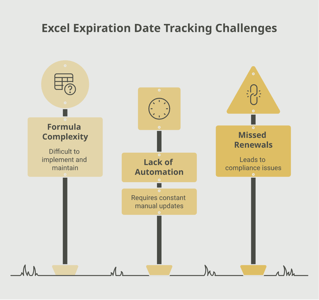
Say goodbye to outdated spreadsheets and hello to centralized credential management. Avoid fines and late penalties by managing your employee certifications with Expiration Reminder.