Bereavement Leave refers to the period during which an employee is allowed time off to mourn, attend funeral services, and manage associated personal affairs. Many organizations include bereavement leave within their compassionate leave policies to support employees during such difficult times. This leave helps employees cope with their loss without the added stress of work responsibilities.
Simplify credential management
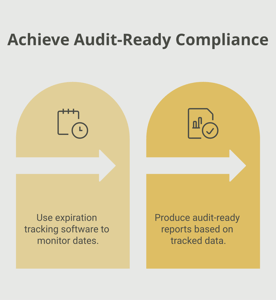
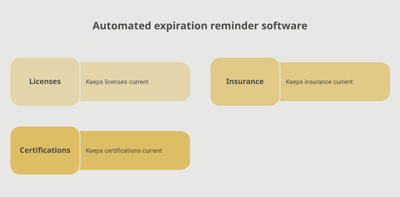
Tracking employee certifications and licenses doesn't have to be complicated. Expiration Reminder helps you send automated notification and keep your company compliant.
.png?width=2520&height=1800&name=67a0f630d9bbadc84df0deb5_AI_Scanner_1%20(1).png)
Key Facts
- Emotional and Practical Impact: Bereavement affects employees emotionally and functionally, often impacting work performance, focus, and well-being.
- Bereavement Leave Policies Varies: Employers typically offer 3-5 days of paid leave, depending on the relationship to the deceased and company policy.
- Not Federally Mandated (U.S.): In the U.S., there is no federal law requiring paid bereavement leave, though some states (like Oregon) have specific laws.
- Different Globally: In countries like the UK and Canada, bereavement leave is often included in employment standards or labor codes.
- May Include Extended Family or Chosen Family: Policies may apply to spouses, children, parents, siblings, grandparents, or others depending on the organization.
- Supports Mental Health: Providing compassionate time off helps employees cope with grief, which can contribute to better long-term productivity and loyalty.
- Documentation May Be Required: Some employers request documentation (such as a death certificate or obituary) to approve leave.
1. What is bereavement leave?
Bereavement leave, also known as grievance leave, is a type of paid or unpaid leave that employees can take following the death of a close relative or loved one. This time off is intended to allow employees to grieve, handle funeral arrangements, attend memorial services, and manage estate or legal affairs related to the deceased. It acknowledges the emotional and logistical challenges associated with losing someone and provides employees with a temporary reprieve from work obligations.
Purpose of Bereavement Leave
- Emotional Recovery: Coping with grief is a deeply personal process that can affect mental and emotional well-being. Employees may need time to process their emotions without the pressure of workplace responsibilities. This period allows individuals to seek support from family, friends, or professional counselors. Additionally, having the space to grieve can help prevent long-term emotional distress and promote a healthier return to work.
- Funeral and Memorial Arrangements: The leave allows individuals to plan, attend, or travel for funeral services, memorials, or wakes. It also provides time to connect with family members and support systems. This period is crucial for organizing and participating in ceremonies that honor the deceased, which can be an important part of the grieving process. Additionally, it enables individuals to handle logistical aspects such as coordinating with funeral homes, managing legal paperwork, and ensuring that all arrangements are respectfully carried out.
- Legal and Administrative Duties: Dealing with the death of a loved one often involves legal tasks such as settling wills, organizing estates, and contacting insurance providers. Bereavement leave helps accommodate these necessary but time-consuming activities. This time off allows individuals to focus on important legal responsibilities without the added stress of work obligations. It also ensures that all necessary documentation and procedures are handled correctly, providing peace of mind during a challenging period.
Who Qualifies for Bereavement Leave
Eligibility depends on the employer’s policy, local labor laws, and employment agreements. However, the following factors generally determine eligibility:
- Relationship to the Deceased: Most policies specify leave for immediate family members such as parents, spouse or domestic partner, children, siblings, or grandparents. Some employers extend coverage to extended family, in-laws, or close friends. This inclusivity recognizes the diverse nature of familial and close relationships, ensuring that employees can grieve and support those who matter most to them. By accommodating various relationships, organizations demonstrate empathy and understanding of the different ways people experience loss.
- Employment Status: Full-time employees are more likely to be eligible for paid bereavement leave. Part-time, freelance, or contractual workers may have limited or no access unless mandated by law. This disparity highlights the need for more inclusive policies that consider the diverse nature of the modern workforce. Ensuring equitable access to bereavement leave for all employees, regardless of their employment status, can foster a more supportive and compassionate work environment.
Duration of Bereavement Leave
There is no universal standard for how long bereavement leave lasts, and it varies depending on:
- Employer Policy: Many companies offer 3 to 5 days for the death of an immediate family member. Some offer 1-2 days for extended family or friends. These policies aim to provide employees with sufficient time to manage their grief and attend necessary ceremonies. However, the specific duration and eligibility can vary widely between organizations, reflecting different levels of support and understanding of employees' needs during such times.
- Local and National Laws: In Canada, the federal labor code provides up to 10 days, with 3 days paid for eligible employees. In the United States, there is no federal mandate, but some states like Oregon require certain employers to offer bereavement leave. The UK allows reasonable unpaid time off for dependents, and statutory parental bereavement leave for parents who lose a child under 18. These varying regulations reflect different levels of governmental support and recognition of the importance of bereavement leave. Understanding these laws can help employees and employers navigate their rights and responsibilities during such challenging times.
- Company and Culture Benefits: Some progressive companies offer grief-specific policies or allow use of vacation/sick leave. Increasingly, organizations recognize diverse forms of loss (such as miscarriage, pet death, or other). These inclusive policies reflect a growing awareness of the varied ways individuals experience grief and loss. By acknowledging and accommodating different types of bereavement, companies can foster a more compassionate and supportive workplace culture, helping employees feel valued and understood during difficult times.
Paid Versus Unpaid Bereavement Leave
Paid leave is common in larger corporations or countries with strong labor laws. It reduces financial stress while allowing employees time off. Unpaid leave, however, is more typical in small businesses or countries without mandatory paid leave. It may require the employee to use vacation of sick days. This can place additional strain on employees who are already dealing with emotional and logistical challenges. The lack of paid leave may also impact their ability to fully engage in the grieving process. Employers who offer paid bereavement leave demonstrate a commitment to their employees' well-being. Such policies can enhance employee loyalty and overall job satisfaction.
Legal Frameworks Around the World
- United States: In the United States, there is no federal requirement for bereavement leave. However, Oregon has a statewide bereavement leave law that allows employees up to two weeks off. Employers in other states may offer bereavement leave voluntarily, depending on their policies. This variability means that employees' access to bereavement leave can differ significantly based on their location and employer.
- Canada: In Canada, federal employees are entitled to up to 10 days of bereavement leave, with 3 of those days being paid. Additionally, provinces have their own rules regarding bereavement leave. For example, Ontario and British Columbia offer separate provisions to support employees during times of loss. These varying regulations ensure that employees across the country have access to necessary time off to manage their grief and related responsibilities.
- United Kingdom: In the United Kingdom, employees can take reasonable unpaid time off to deal with the death of a dependent. Additionally, Parental Bereavement Leave was introduced in 2020, allowing parents who lose a child under 18 to take up to two weeks of paid or unpaid leave. These provisions aim to support employees during difficult times by providing necessary time off to manage their grief and related responsibilities. The introduction of Parental Bereavement Leave reflects a growing recognition of the importance of supporting employees through various forms of loss.
- Australia: In Australia, employees are entitled to two days of paid compassionate leave per permissible occasion. This leave is available to both full-time and part-time employees, ensuring they have time to manage their grief and related responsibilities. However, casual workers are only eligible for unpaid compassionate leave. These provisions aim to support employees during difficult times, recognizing the importance of allowing time off to cope with loss.
Challenges and Criticism
- Inadequate Time: Many argue that three days is insufficient to mourn or settle affairs. Grieving is a deeply personal process that varies greatly from person to person, and a short leave period may not provide enough time for emotional recovery. Additionally, handling legal and administrative duties, such as settling wills and organizing estates, often requires more time than a few days. Extending bereavement leave can help employees manage their responsibilities and emotions more effectively, leading to a healthier return to work.
- Ambiguity: Lack of clarity around who qualifies as a "close relative" can create confusion and inconsistency in bereavement leave policies. Employees may be unsure whether their relationship to the deceased meets the criteria for leave, leading to potential stress and uncertainty during an already difficult time. Clear definitions and guidelines can help ensure that employees understand their entitlements and feel supported by their employer. Additionally, expanding the definition to include extended family and close friends can provide more comprehensive support for employees experiencing loss.
- Discretionary Practices: Some employers apply policies inconsistently, leading to confusion and potential unfairness among employees. This inconsistency can result in some employees receiving more support than others, depending on their manager's discretion or the company's interpretation of the policy. Clear, standardized guidelines can help ensure that all employees are treated equitably during times of bereavement. Additionally, transparent communication about these policies can foster trust and understanding within the workplace, helping employees feel more secure and supported.
- Stigma: Employees may fear judgment for taking time off or for the type of relationship lost. This fear can prevent them from fully utilizing bereavement leave, leading to increased stress and emotional strain. Creating a supportive and non-judgmental workplace culture is essential to encourage employees to take the time they need. Employers can help by openly discussing bereavement policies and emphasizing the importance of mental health and well-being. Additionally, recognizing diverse forms of loss can reduce stigma and ensure all employees feel validated in their grief.
Altogether, bereavement leave is a vital workplace benefit that supports employees during one of the most difficult times in life - the death of a loved one. While the specifics of this leave vary greatly depending on location, employer, and culture, its fundamental purpose remains the same: to offer time, space, and support to grieve and manage personal responsibilities. As awareness of mental health and compassion in the workplace grows, many organizations are reconsidering and expanding their bereavement policies to better reflect the needs of a diverse and emotionally complex workforce.
2. How many days of bereavement leave do employees usually get?
The number of bereavement leave days that employees receive varies widely depending on factors such as company policy, country-specific labor laws, relationship to the deceased, and employee status. There is no global standard, but most employers and governments follow a general range of 1 to 5 working days for immediate family members.
Typical Range of Bereavement Leave

Bereavement Leave by Country
- United States: In the United States, there is no federal law mandating bereavement leave. However, corporate policies typically offer 3 to 5 days of leave for immediate family members. Some states have specific laws regarding bereavement leave. For instance, Oregon provides up to 2 weeks of unpaid leave under the Oregon Family Leave Act (OFLA), while Illinois allows up to 10 days of leave under the Family Bereavement Leave Act, effective from 2023.
- Canada: In Canada, federal employees are entitled to up to 10 days of bereavement leave, with the first 3 days being paid. Provincial regulations vary; for example, Ontario provides 2 unpaid days of bereavement leave per year, while British Columbia offers 3 unpaid days per death of an immediate family member. These policies ensure that employees have time to grieve and manage personal affairs following the loss of a loved one.
- United Kingdom: In the United Kingdom, parents who lose a child under 18 or experience a stillbirth are entitled to 2 weeks of Parental Bereavement Leave, which can be paid or unpaid depending on eligibility. For other dependents, employees are allowed "reasonable time off" for emergencies, although this is typically unpaid. These provisions aim to support individuals during difficult times by offering flexibility and time to manage their personal affairs.
- Australia: In Australia, the National Employment Standards (NES) provide employees with 2 days of compassionate leave per permissible occasion. This leave is paid for full-time and part-time employees, while casual employees receive it unpaid. These standards ensure that workers have the necessary time to address personal matters and cope with the loss of a loved one.
- New Zealand: In New Zealand, employees are entitled to up to 3 days of paid bereavement leave per death of a close relative. Employers may grant additional time off at their discretion, providing flexibility to accommodate individual circumstances. This policy ensures that employees have the necessary time to grieve and manage personal affairs following the loss of a loved one.
- India: In India, there is no statutory requirement for bereavement leave under central labor laws. However, many companies provide 2 to 3 days of leave based on their HR policies. This practice allows employees some time to manage personal affairs and cope with the loss of a loved one, despite the absence of a formal legal mandate.
Factors Influencing Duration
- Nature of Relationship: The nature of the relationship between the employee and the deceased often influences the length of bereavement leave. Closer relationships, such as those with immediate family members, typically result in longer leave periods. Some policies categorize relationships into tiers, with Tier 1 including immediate family and Tier 2 encompassing extended family and friends. This tiered approach helps ensure that employees receive appropriate time off based on the significance of their loss.
- Employer Size and Sector: The size and sector of an employer can significantly impact bereavement leave policies. Larger corporations and public-sector employers often provide more generous leave options, recognizing the importance of supporting their employees during difficult times. Non-profits and tech firms may also offer extended or flexible leave options, reflecting their commitment to employee well-being and adaptability. These variations ensure that employees across different industries receive appropriate support based on their employer's capacity and values.
- Collective Bargaining Agreements: Unionized workers often benefit from collective bargaining agreements that include additional bereavement leave. These agreements are negotiated between the union and the employer, ensuring that employees receive extra time off to grieve and manage personal affairs. This negotiated leave can provide significant support during difficult times, reflecting the union's commitment to the well-being of its members. By securing these provisions, unions help ensure that workers have the necessary time to cope with the loss of a loved one.
- Use of Additional Leave: Employees often supplement their bereavement leave with additional forms of leave to ensure they have adequate time to grieve and manage personal affairs. This can include using vacation or paid time off (PTO), sick leave, or unpaid leave. If permitted, remote work can also be an option, allowing employees to balance their professional responsibilities while dealing with their loss. These supplementary leave options provide flexibility and support during difficult times.
Trends and Evolving Policies
Mental health awareness is prompting some employers to extend the duration of bereavement leave. Inclusive policies now cover a range of circumstances, including miscarriage and stillbirth, the death of a pet, and non-traditional family structures. Recognizing the diverse ways in which individuals experience grief, some companies offer "grief leave" independent of traditional bereavement categories. These progressive approaches aim to support employees' mental health and well-being during challenging times, ensuring they have the necessary time to cope and recover. By adopting such policies, employers demonstrate a commitment to fostering a compassionate and inclusive workplace.
Overall, while the standard duration of bereavement leave typically ranges from 3 to 5 days for close family members, the actual number of days varies considerably across countries, industries, and employers. Some jurisdictions have codified these entitlements, while others leave it entirely to employer discretion. A growing focus on employee well-being and mental health is encouraging more inclusive and flexible approaches to bereavement, reflecting the complex nature of grief and the varied forms of human relationships.
3. Is bereavement leave paid?
Whether bereavement leave is paid depends on multiple factors including the country's labor laws, company policy, employment status, and the relationship to the deceased. There is no single global rule, but many employers offer paid bereavement leave, especially for immediate family members. However, unpaid bereavement leave is also common - especially in countries without statutory requirements or in companies with limited resources.
When Is Bereavement Leave Paid
- Employer Policy: Most medium to large employers typically offer 3 to 5 paid days of bereavement leave. High-profile or progressive companies, such as Google and Microsoft, may provide longer paid leave and include broader definitions of bereavement to accommodate various circumstances. Additionally, some employers allow employees to use vacation, sick days, or paid time off (PTO) to extend their paid leave. These policies reflect a growing recognition of the importance of supporting employees during times of personal loss. By offering flexible and comprehensive leave options, employers demonstrate their commitment to employee well-being and mental health.
- Labor Law Requirements: Labor law requirements for bereavement leave vary widely across different countries. Some countries mandate paid bereavement leave by law, ensuring employees receive financial support during their time of loss. Others require time off but do not stipulate that it must be paid, leaving employees without guaranteed income during their leave. In many places, the provision of bereavement leave is left entirely to the employer's discretion, resulting in significant variability in support offered to employees. These differences highlight the diverse approaches to bereavement leave and the importance of employer policies in providing adequate support.
Paid Bereavement Leave by Country
- United States: In the United States, there is no federal mandate for paid bereavement leave. However, most employers who offer bereavement leave provide 3 to 5 paid days for immediate family members. Some states have specific mandates for unpaid leave; for example, Oregon allows up to 2 weeks of unpaid leave, and Illinois provides up to 10 days of unpaid leave. These state-specific provisions ensure that employees have time to manage personal affairs and cope with the loss of a loved one, despite the absence of a federal requirement.
- Canada: In Canada, federally regulated employees are entitled to up to 10 days of bereavement leave, with 3 of those days being paid if they have worked for at least 3 months. Provincial regulations vary; for instance, Ontario provides 2 unpaid days of bereavement leave per year. In Quebec, employees are entitled to 5 days of leave, with 2 of those days being paid, for the death of certain relatives. These variations ensure that employees across different regions receive support tailored to their specific circumstances and local regulations.
- United Kingdom: In the United Kingdom, parents who experience the loss of a child under 18 or a stillbirth are entitled to 2 weeks of Parental Bereavement Leave, which is paid if they are eligible for Statutory Bereavement Pay. For other dependents, time off is typically unpaid unless the employer voluntarily offers payment. These provisions aim to support employees during difficult times by ensuring they have the necessary time to grieve and manage personal affairs.
- Australia: In Australia, employees are entitled to 2 days of paid compassionate leave per incident if they are full-time or part-time workers. Casual workers, on the other hand, receive this leave unpaid. These provisions ensure that employees have the necessary time to address personal matters and cope with the loss of a loved one, regardless of their employment status.
- New Zealand: In New Zealand, employees are entitled to 3 days of paid bereavement leave for the death of close relatives. This leave is paid by the employer rather than the government. Employees may also request additional unpaid time off if needed. These provisions ensure that individuals have the necessary support to manage their personal affairs and cope with the loss of a loved one.
- India: In India, there is no national law mandating bereavement leave. However, some private companies offer 2 to 3 days of paid leave to employees. This practice is particularly common in multinational corporations (MNCs), the IT sector, and public sector undertakings. These companies recognize the importance of supporting their employees during times of personal loss, despite the absence of a formal legal requirement.
Paid Versus Unpaid Scenarios
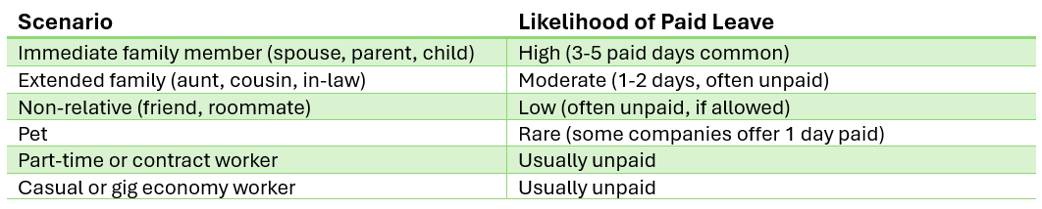
Other Forms of Paid Time Off That May Be Used
In places of companies where bereavement leave is not paid, employees might be able to use vacation leave, sick leave, personal days, paid time off (PTO) banks, and short-term disability leave. Employers sometimes allow flexibility with these leave types to accommodate grieving employees, especially in cases of longer mourning periods or international travel. This flexibility can be crucial for employees who need additional time to manage their grief and personal affairs. It also demonstrates the employer's commitment to supporting their staff during challenging times. By offering various leave options, employers help ensure that employees can take the necessary time off without financial strain.
In summary, bereavement leave can be either paid or unpaid, depending heavily on local laws, company policy, and employee classification. In many developed countries, 3 to 5 days of paid leave is common for the loss of an immediate family member. However, unpaid leave is more frequent in places without legal protection or for non-full-time workers. As understanding of grief deepens, there is a growing movement toward more inclusive, compassionate, and paid bereavement policies to support employees during their most difficult times.
4. Who qualifies as an immediate family member for bereavement leave?
The definition of an "immediate family member" for the purposes of bereavement leave is crucial, as most leave policies and laws grant more days off - and more paid time off - for immediate family losses. However, the exact definition can vary depending on the employer, country, collective agreements, or labor regulations. Generally, immediate family includes those with whom the employee has the closest legal or biological relationships, but the scope can be narrower or broader depending on context.
Standard Definition of Immediate Family
Most bereavement leave policies recognize the following relationships as immediate family:
- Spouse: Legally married husband or wife.
- Domestic Partner: Long-term partner not legally married but recognized by employer or law.
- Children: Biological, adopted, stepchildren, or legal wards.
- Parents: Biological, adoptive, step, or legal guardians.
- Siblings: Brothers and sisters (biological, step, or adopted).
These five categories are typically recognized across most jurisdictions and companies as "core" immediate family, triggering full bereavement leave benefits (often 3–5 paid days). This recognition ensures that employees receive adequate time to grieve and manage personal affairs following the loss of a close family member. Employers understand the significant impact that the death of an immediate family member can have on an individual's emotional and mental well-being. By providing full bereavement leave benefits, companies demonstrate their commitment to supporting employees during these challenging times. This approach helps foster a compassionate and supportive work environment.
Extended Definitions (Common Additions)
Some employers and legal systems expand the definition to include the following, either officially or at a manager's discretion:
- Grandparents: Commonly included (especially in Canada, UK, NZ, and more).
- Grandchildren: Often included in policies.
- In-Laws: Parents-in-law, siblings-in-law sometimes qualify.
- Stepparents or Stepchildren: Typically included if the relationship is close.
- Legal Guardians or Foster Parents: Recognized in inclusive policies.
- Aunts, Uncles, Nieces, Nephews: Rarely included unless specified.
Some progressive companies also allow chosen family, such as godparents, close friends, or mentors, depending on the emotional bond and the role they played in the employee’s life. This inclusive approach recognizes the diverse and meaningful relationships that employees may have outside of traditional family structures. By acknowledging chosen family, employers demonstrate their commitment to supporting all forms of significant personal connections. This policy helps ensure that employees receive the necessary time to grieve and manage personal affairs, regardless of the nature of their relationship with the deceased. It fosters a compassionate and inclusive work environment that values the emotional well-being of its staff.
Legal Definitions by Country
- United States: In the United States, there is no federal law mandating bereavement leave. Most employers define immediate family as a spouse, parent, child, sibling, or grandparent, and occasionally include in-laws. Some states, like Oregon, extend this definition to recognize domestic partners and stepfamily members.
- Canada: In Canada, the federal labor code defines immediate family broadly, including spouses, children, parents, grandparents, siblings, in-laws, and dependent relatives. However, the specific definitions and regulations can vary slightly between provinces. This comprehensive approach ensures that a wide range of family relationships are recognized for labor-related benefits.
- United Kingdom: In the United Kingdom, Parental Bereavement Leave is specifically available to parents who have lost a child under the age of 18. For general "time off for dependants," the policy covers spouses or partners, children, parents, or anyone who relies on the employee for care. This ensures that employees can take necessary time off to support their dependants in times of need.
- Australia: In Australia, the Fair Work Act defines "immediate family" to include a spouse, child, parent, grandparent, grandchild, and sibling. This definition also extends to the same family members of the employee's spouse or de facto partner. This inclusive approach ensures that a broad range of family relationships are recognized for employment-related benefits.
- New Zealand: In New Zealand, immediate family is defined to include a spouse, partner, child, parent, sibling, grandparent, grandchild, and in-laws. Additionally, discretionary leave may be granted for other individuals if the employee had a close relationship with them. This flexible approach ensures that employees can take necessary time off to support those they are closely connected with.
Factors That Affect Qualification
- Legal Recognition: Domestic partnerships or same-sex relationships must often be formally declared or registered to qualify for various legal benefits and protections. This formal recognition ensures that partners can access rights similar to those of married couples, such as inheritance, healthcare decisions, and tax benefits. Additionally, it provides a clear legal framework for resolving disputes and protecting the interests of both partners in the relationship.
- Dependency: In some laws, such as in the UK, a person can be considered immediate family if they depended on the employee for care. This provision ensures that employees can take necessary time off to support those who rely on them, even if they are not related by blood or marriage. It recognizes the importance of caregiving relationships and the need for flexibility in defining family. This approach helps to accommodate diverse family structures and caregiving responsibilities.
- Employee Explanation or Documentation: In cases where the relationship is not explicitly defined (for example, foster parent, godchild), the employer may request a written explanation or documentation to approve the leave. This helps ensure that the leave policy is applied fairly and consistently across all employees. By providing the necessary documentation, employees can clarify the nature of their relationship and the need for leave. This process also helps employers maintain accurate records and make informed decisions regarding leave requests.
Ultimately, immediate family for bereavement leave typically includes spouse, children, parents, and siblings, but the exact definition can vary by employer, country, and legal framework. While many companies and countries have traditional definitions, a growing number are moving toward inclusive interpretations that reflect real-world familial and emotional connections, including domestic partners, in-laws, grandparents, or even close friends in certain cases. Employees should always consult their HR policies or local labor regulations to understand their entitlements.
5. Can employers deny bereavement leave?
Yes, employers can deny bereavement leave in some situations - however, whether or not they are legally allowed to do so depends heavily on the laws of the country or region, the employer’s own policies, and the circumstances surrounding the leave request. In jurisdictions where bereavement leave is not protected by law, employers often have more discretion in denying it. However, where laws mandate bereavement leave, especially for specific types of relationships (like a child or spouse), denial may be illegal or grounds for dispute.
Legal Protections Versus Employer Discretion
1. Countries with Mandated Bereavement Leave
In some countries, bereavement leave is protected by labor laws. In these cases:
- Employers are not allowed to deny bereavement leave if the employee meets the eligibility criteria.
- Employers may require documentation (such as death certificate or obituary).
- Employers can sometimes deny leave if the employee requests more time than legally provided, the relationship is not covered under the law, or the request is not made within a reasonable timeframe
2. When Employers May Deny Bereavement Leave
- Lack of Legal Obligation: If bereavement leave is not mandated by law (for example, U.S. federal law), an employer may deny the request outright, especially for casual or at-will employees. This lack of legal obligation can create significant challenges for employees who need time off to grieve and manage personal affairs. Without a mandated policy, employees may feel pressured to return to work prematurely, potentially impacting their mental health and productivity. Additionally, the absence of a standardized approach can lead to inconsistencies and perceived unfairness in how leave requests are handled across different workplaces.
- Ineligible Relationship: If the deceased is not classified as an immediate family member under company policy or law, leave can be denied. This can be particularly challenging for employees who have close, non-traditional relationships that are not recognized by standard definitions. The lack of flexibility in such policies can lead to feelings of frustration and neglect during an already difficult time. Employers may need to consider more inclusive policies to better support their employees' diverse family structures and relationships.
- Insufficient Notice or Documentation: If an employee fails to notify the employer promptly or provide necessary documentation, the leave may be denied or delayed. This can create additional stress for the employee during an already difficult time, as they may struggle to balance work responsibilities with personal grief. Timely communication and proper documentation are crucial to ensure that the leave process goes smoothly. Employers can help by clearly outlining the required steps and providing support to employees navigating the leave request process.
- Leave Abuse or Frequent Requests: Repeated or suspicious requests for bereavement leave may be investigated and potentially denied. Employers need to ensure that leave policies are not being misused, as this can impact overall workplace productivity and fairness. Investigating such requests helps maintain the integrity of the leave system and ensures that genuine cases are given the necessary support. Clear guidelines and communication can help employees understand the importance of using bereavement leave appropriately.
- Business Needs (in Discretionary Policies): In small businesses or during peak operation periods, employers may deny leave if it severely affects operations - only if not legally required to grant it. This can be particularly challenging for employees who need time off during critical business times. Balancing business needs with employee well-being requires careful consideration and communication. Employers can mitigate these challenges by planning ahead and providing alternative support options for employees during busy periods.
When Employers Cannot Deny Bereavement Leave
- If Protected by Law: In places where bereavement leave is a legal right, denial can be challenged or reported. Employees have the ability to seek recourse through legal channels if their request for bereavement leave is unjustly denied. This legal protection ensures that employees can take necessary time off to grieve without fear of losing their job or facing retaliation. It also promotes fair treatment and supports employees during difficult times.
- If Specified in an Employment Contract: If bereavement leave is specified in an employment contract, employers are bound by the terms of that contract. Denying agreed-upon leave can result in legal liability for the employer, potentially leading to disputes or legal action. This contractual obligation ensures that employees can rely on their leave entitlements during difficult times. It also promotes trust and transparency between employers and employees, fostering a supportive work environment.
- If Covered by Union or Collective Bargaining Agreements: If covered by union or collective bargaining agreements, unionized employees are often entitled to bereavement leave as explicitly stated in their contracts. These agreements provide clear guidelines and protections for employees, ensuring they can take time off to grieve without fear of repercussions. The contractual nature of these agreements means that employers must adhere to the specified terms, promoting fairness and consistency. This support is crucial for employees during challenging times, fostering a compassionate and supportive work environment.
- In Cases of Parental Bereavement: In cases of parental bereavement, such as in the UK, employers cannot deny the 2-week Parental Bereavement Leave for eligible parents. This legal protection ensures that parents who have lost a child under the age of 18 can take time off to grieve and manage their personal affairs. The guaranteed leave helps alleviate some of the emotional and logistical burdens during such a difficult time. It also underscores the importance of supporting employees through significant life events.
Disputes and Legal Recourse
If an employee believes they were wrongly denied bereavement leave, they may have options such as:
- Filing a complaint with a labor board or employment standards agency.
- Consulting a labor attorney
- Escalating to human resources or upper management
- Grievance procedures (for unionized workers)
Some employers may also resolve disputes informally, especially in cases of compassionate or humanitarian concerns. This approach allows for flexibility and sensitivity in handling unique situations that may not be covered by formal policies. By addressing issues on a case-by-case basis, employers can demonstrate empathy and support for their employees during difficult times. Informal resolutions can also foster a positive work environment, encouraging open communication and trust between employees and management. Additionally, it can help prevent escalation of disputes and promote a collaborative approach to problem-solving.
In conclusion, employers can deny bereavement leave in certain situations, particularly when there is no legal mandate or when the request falls outside the scope of the company’s leave policy. However, in jurisdictions with protected bereavement leave rights, such denial may be illegal or challengeable. It is essential for both employees and employers to understand local labor laws, internal HR policies, and employment agreements to avoid misunderstandings or violations. As awareness of grief’s impact grows, more companies are moving toward more compassionate and flexible leave policies, even when not legally obligated to do so.
Make sure your company is compliant
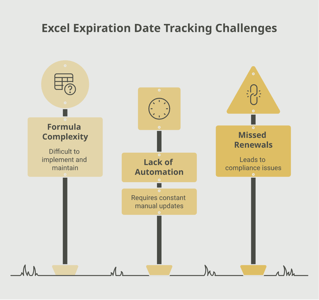
Say goodbye to outdated spreadsheets and hello to centralized credential management. Avoid fines and late penalties by managing your employee certifications with Expiration Reminder.