Bereavement refers to the period of mourning and emotional grief experienced after the death of a loved one. In a workplace context, it is commonly associated with bereavement leave, which is the time off granted to an employee to grieve and manage the affairs related to the death of an immediate family member or close relative. Bereavement leave policies vary by organization and jurisdiction, but they typically provide a set number of paid or unpaid days off, depending on the relationship to the deceased and company guidelines.
This time may be used for attending funeral services, handling legal or personal matters, and coping with emotional distress. Supporting employees during bereavement is an important aspect of workplace compassion and mental health awareness.
Simplify credential management
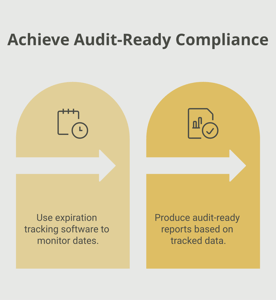
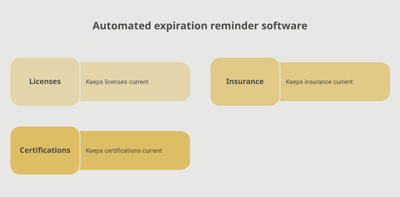
Tracking employee certifications and licenses doesn't have to be complicated. Expiration Reminder helps you send automated notification and keep your company compliant.
.png?width=2520&height=1800&name=67a0f630d9bbadc84df0deb5_AI_Scanner_1%20(1).png)
Key Facts
- Leave Type: Bereavement leave is a type of paid or unpaid leave provided to employees following a death in their family.
- Policy-Dependent: The length and conditions of bereavement leave vary depending on the employer’s policy, employment contract, or applicable labor laws.
- Emotional Impact: Recognized as a significant life event, bereavement can affect an employee’s emotional well-being and job performance.
- Documentation: Some employers may require documentation, such as a death certificate or obituary, to approve bereavement leave.
- Legal Differences: Not all jurisdictions require bereavement leave by law, but many employers offer it as part of a compassionate or supportive workplace culture.
1. What is bereavement leave?
It is a period of time off granted to employees to grieve and handle personal matters after the death of a family member.
2. How long is bereavement leave usually?
Typically 1 to 5 days, depending on the relationship to the deceased and company policy.
3. Is bereavement leave paid?
In many cases, yes, but it depends on the employer’s policy and local employment standards.
4. Who qualifies as an immediate family member?
Usually includes parents, siblings, spouse, children, and sometimes grandparents or in-laws, but definitions vary by policy.
5. Can an employee take more time off beyond bereavement leave?
Yes, employees may request additional unpaid leave, vacation time, or use personal days if more time is needed, subject to employer approval.
Make sure your company is compliant
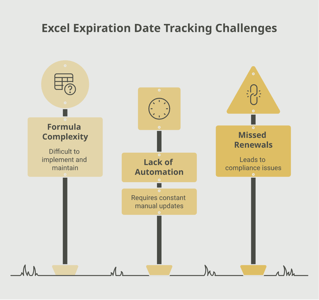
Say goodbye to outdated spreadsheets and hello to centralized credential management. Avoid fines and late penalties by managing your employee certifications with Expiration Reminder.