Introduction
If your network runs on Cisco — Catalyst switches, ISR/ASR routers, Meraki, ASA or Firepower firewalls, Webex, or any of the broader Cisco portfolio — the licenses and support contracts on those devices are what keep them supported, updated, and effective. When a Cisco contract lapses, the hardware keeps moving traffic, but TAC support, software updates, and hardware replacement go away — usually right when you need them most.
This article explains what a Cisco license is, how Smart Licensing and SmartNet Total Care differ, what gets covered, and what happens when coverage lapses. You will also see the most practical way to track Cisco licenses and support contracts across a large heterogeneous Cisco environment.
For most network teams, ordering the right contract at purchase is well understood. The hard part is the calendar — every device has its own serial number, every contract has its own term, and SmartNet renewals on average take about 45 days to process.
What Is a Cisco License?
In Cisco's world, "license" can mean two different things, and both have their own renewal cycles:
- Cisco Smart Licensing — the modern feature license model. Smart Licensing automatically reports usage to a Cisco Smart Account and registers entitlements continuously (renewing internally every 30 days). Smart Licensing replaces the older per-device PAK (Product Activation Key) model.
- SmartNet Total Care — Cisco's hardware support contract. Often referenced as "SmartNet," it includes TAC access, IOS/firmware updates, advance hardware replacement, and (at higher tiers) faster response times.
In addition, many Cisco products are now sold as Enterprise Agreements (EAs) or DNA Software subscriptions, which bundle software entitlements, support, and (in some cases) hardware coverage into a single multi-year commitment.
Cisco SmartNet contracts are typically available in 1, 3, or 5-year terms. Renewals often qualify for loyalty discounts when processed before expiry. The renewal process is partner-led — quotes are produced based on covered serial numbers, and the renewal can take time to process (on average about 45 days).
Smart Licensing usage data is collected and reported monthly. Software entitlements either renew under the umbrella contract (EA / DNA subscription) or are tied to the underlying SmartNet contract for hardware support.
Why Cisco Licenses Matter for Your Organization
Cisco contract currency protects against three concrete risks: support unavailability, security exposure, and operational disruption.
From a support standpoint, an expired SmartNet contract means no TAC access during an incident. The first time most teams discover this is when they call Cisco support and learn the contract lapsed last quarter.
From a security standpoint, IOS/firmware updates — including critical CVE patches — typically require active SmartNet. A high-severity vulnerability that drops on a Friday becomes a real problem if the contract that gates the patch lapsed last month.
From an operational standpoint, advance hardware replacement is one of the most valuable parts of SmartNet. Without it, a failed switch in the data center or a branch ASR means waiting for a vendor RMA at standard timelines, with the workload affected throughout.
For network and security teams managing dozens, hundreds, or thousands of Cisco devices across multiple sites, vendors, and product families, the calendar can get unmanageable without a central tracker.
Common Scenarios for Tracking Cisco License Expiration Dates
Enterprise Network and Data Center
Enterprise networks with Catalyst access switches, Nexus data center switches, ISR/ASR routers, and ASA/Firepower firewalls have hundreds of SmartNet contracts active at any time, often with staggered renewal dates from years of incremental purchasing.
Branch and Distributed Networks
Branch sites running Cisco hardware are particularly prone to lapsed contracts because the equipment is remote and the local team is small.
Meraki Cloud-Managed Networks
Meraki licensing is subscription-based — devices report "offline" or stop functioning if their license lapses. Meraki license cycles need particularly careful tracking because the cliff-edge is steep.
Cisco UC and Collaboration
Webex Calling, Webex Meetings, Unified Communications Manager, and similar collaboration products run on subscription models with their own renewal cycles independent of the network hardware.
MSPs Managing Customer Cisco Environments
Managed service providers running Cisco for customers manage many tenants, each with its own contracts and serial numbers. Renewal coordination is a recurring operational task and a customer-trust issue.
How Cisco License Tracking Benefits Your Organization and Network Teams
A reliable Cisco contract tracking program produces measurable benefits.
For the company, current contracts maintain TAC access, software update entitlements, and advance hardware replacement. They also preserve audit posture and cyber-insurance underwriting position.
For network teams, the renewal calendar becomes predictable. Quotes can be requested 60–90 days in advance, and the recurring scramble of emergency renewals goes away.
For procurement and finance, multi-year terms (3 or 5 years) offer meaningful savings — but only with enough lead time to evaluate them properly.
How to Track Cisco License Expiration Dates
Cisco Smart Software Manager shows Smart Licensing entitlements and usage. The Cisco Service Contract Center shows SmartNet contracts and covered serial numbers. Both are useful, but neither actively reminds you before expiry.
Cisco partners typically provide renewal reports for accounts they manage, often with proactive outreach 60–90 days before expiration.
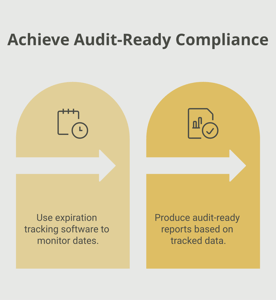
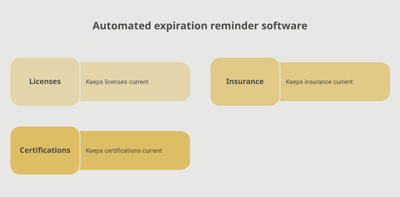
A dedicated tracking platform like Expiration Reminder stores each Cisco device with its serial number, SmartNet contract, license entitlements, expiration date, supporting documents, and responsible owner. Reminders fire automatically before each expiration.
Key features include automated reminders at multiple intervals (120, 90, 60, 30 days — Cisco renewals need lead time), document storage for contract documents and license certificates, dashboard views by site, product family, or expiry window, audit-ready reports of license and contract status, and the ability to log the new expiration date in one step.
Key Takeaways
- "Cisco license" can refer to Smart Licensing (feature licenses), SmartNet Total Care (hardware support), or Enterprise Agreement / DNA Software subscriptions.
- SmartNet contracts are typically 1, 3, or 5 years; renewals on average take 45 days to process.
- Smart Licensing reports usage to a Cisco Smart Account and auto-renews internally every 30 days.
- Without active SmartNet, you lose TAC access, IOS/firmware updates, and advance hardware replacement.
- Meraki licensing is particularly time-sensitive — lapsed Meraki licenses can take devices offline.
- Automated tracking with reminders is the reliable approach for any non-trivial Cisco deployment.
Frequently Asked Questions
What is the difference between SmartNet and Smart Licensing?
SmartNet Total Care is a hardware support contract (TAC, firmware updates, hardware replacement). Smart Licensing is the modern Cisco feature license model that reports usage to a Smart Account and replaces the older PAK system. The two are related but track separately.
How long is a SmartNet contract valid?
Typically 1, 3, or 5 years. Longer terms often qualify for loyalty discounts.
What happens when a SmartNet contract expires?
The hardware continues to function, but TAC access, IOS updates, and advance hardware replacement become unavailable until the contract is reinstated.
How long does Cisco SmartNet renewal take?
On average about 45 days, from initial quote through partner ordering, Cisco processing, and entitlement activation. Renew well in advance.
How does Meraki licensing differ from traditional Cisco?
Meraki is fully subscription-based — devices stop functioning fully if the license lapses. Meraki licensing is centrally managed in the Meraki dashboard and is more time-sensitive than traditional SmartNet.
What is a Cisco Enterprise Agreement (EA)?
An EA is a multi-year (typically 3 or 5-year) bundled commitment covering software entitlements, support, and (in some cases) hardware across multiple Cisco product families.
Where can I check Cisco license status?
Cisco Smart Software Manager (software.cisco.com) shows Smart Licensing status. The Cisco Service Contract Center shows SmartNet contracts and covered serial numbers. Cisco partners often provide consolidated views.
Can I renew SmartNet after expiry?
Yes, but reinstatement may require an inspection fee, longer lead times, or back-coverage charges. Renewing before expiry is significantly easier and cheaper.
Conclusion
Cisco licenses and support contracts are the active part of every modern Cisco deployment — without them, the device runs but does not stay current or supported. The substantive work — choosing the right contract level, planning renewals, evaluating EAs — sits with network, security, and procurement teams. The administrative work — knowing every serial number's expiration date and acting before it passes — is where most programs stumble.
If your team tracks Cisco contracts through Smart Software Manager, the Service Contract Center, or partner emails, you already know how easy it is for one device to fall out of coverage. A purpose-built tracking platform like Expiration Reminder centralizes every device, sends reminders before each expiration date, stores the supporting contracts, and produces audit-ready reports the moment anyone asks.
Keep the support current, plan the renewals, and let the system handle the calendar.