Introduction
If your business operates vehicles in any of the dozen-plus U.S. states that still require periodic inspections, the sticker on your windshield is more than decoration — it is legal authority to be on the road. Every state runs its own rules, every state uses its own cycle, and the only consistent thing is that an expired inspection means a vehicle that should not be driven.
This article explains what a state vehicle inspection is, the patchwork of state rules, what gets checked, when renewals are due, and what happens when inspections lapse. You will also see the most practical way to track inspection due dates across a fleet of vehicles registered in multiple states.
For most fleet operators, the inspection itself is straightforward — a state-certified inspection station performs the test and issues a sticker. The hard part is the calendar — every vehicle has its own due date, every state has its own rules, and the smallest fleets often have the least margin for error.
What Is a Vehicle Inspection?
A vehicle inspection is a state-mandated check of a motor vehicle's safety equipment, emissions output, or both. The inspection is performed by a licensed inspection station and, on passing, results in a sticker affixed to the windshield or a digital record in the state DMV system. The vehicle must pass to remain legally registered and operable.
Inspection rules vary widely. According to Wikipedia's overview of U.S. vehicle inspections, about a dozen states currently require periodic safety inspections; another handful require periodic emissions tests; some require both, some require neither, and many require emissions tests only in certain counties (typically those in non-attainment areas under the federal Clean Air Act).
States with periodic safety inspection programs include Hawaii, Louisiana, Maine, Massachusetts, Missouri, New Hampshire, New York, Pennsylvania, Rhode Island, Utah, Vermont, Virginia (transitioning), and West Virginia, among others. Several states have ended their safety inspection programs in recent years — Texas ended its mandatory non-commercial safety inspection program on January 1, 2025.
A typical safety inspection covers lights, brakes, steering, suspension, tires, glazing, windshield wipers, exhaust system, seatbelts, horn, and registration plates. Emissions inspections cover tailpipe emissions, on-board diagnostic (OBD) codes, evaporative system integrity, and (in some states) visual checks on emissions components.
Validity is generally 12 months (annual) or 24 months (biennial), depending on state and vehicle type. Commercial vehicles, taxis, school buses, and limousines often follow stricter schedules than private vehicles.
Why Vehicle Inspections Matter for Your Organization
Inspections sit at the intersection of safety, regulatory compliance, and operational continuity.
From a regulatory standpoint, a vehicle with an expired inspection sticker is illegal to operate in the states that require inspections. Law enforcement can ticket drivers, registration can be flagged, and in some states the vehicle can be impounded. For commercial vehicles, expired inspections may also affect DOT compliance and FMCSA Safety Measurement System scores.
From an insurance standpoint, carriers expect insured vehicles to be roadworthy. A claim involving a vehicle with significant inspection deficiencies — particularly safety-related — may be reduced or denied.
From a safety standpoint, the inspection is designed to catch issues that drivers cannot easily see — brake wear, suspension damage, leaking exhaust. The annual or biennial cadence is meant to surface problems before they cause a crash.
For multi-state fleets, the inspection picture is the most variable part of the compliance program. A vehicle that was inspected in one state may not satisfy another state's rules when it relocates.
Common Scenarios for Tracking Vehicle Inspection Due Dates
Inspection tracking touches every fleet operator and any business with company vehicles in inspection states.
Multi-State Commercial Fleets
Logistics, delivery, and service fleets operating across multiple states face overlapping inspection rules. A Pennsylvania-registered vehicle running into New York needs a Pennsylvania inspection sticker; a New York-registered vehicle running into Pennsylvania needs a New York sticker. Coordinating renewals across the fleet is a real workload.
Service and Trade Fleets
HVAC, plumbing, electrical, and landscaping companies running service vehicles in inspection states (Pennsylvania, Massachusetts, Texas commercial, New York, etc.) need each vehicle's inspection current to keep the technician earning revenue rather than waiting at the inspection station.
Specialty Vehicle Operators
Limousine services, school bus contractors, taxi fleets, and inter-city motor coach operators face stricter inspection cycles than private vehicles, often semi-annual or quarterly.
Government and Public Sector Fleets
Municipal fleets, school districts, and public agencies in inspection states must keep every vehicle current. Public-sector procurement and audit processes often surface inspection gaps quickly.
Vehicle Rental and Leasing
Rental and leasing companies must ensure every vehicle handed to a customer has a current inspection. Customer-reported failures are a reputational and liability issue.
How Vehicle Inspections Benefit Your Company and Drivers
A reliable inspection program produces measurable benefits.
For the company, current inspections support regulatory compliance, reduce roadside enforcement actions, preserve insurance coverage, and surface mechanical issues before they cause breakdowns or crashes.
For drivers, predictable inspection cycles mean fewer surprises and less time lost to enforcement stops or roadside repairs.
For customers, riders, and the public, inspected vehicles are simply safer — the program exists for a reason, and the benefits are largely invisible until they prevent something bad from happening.
How to Track Vehicle Inspection Due Dates
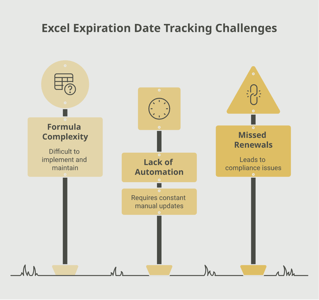
Most fleets track inspection dates the same way they track registration dates — a spreadsheet, a fleet maintenance system, or the manager's calendar. Each method works at small scale and breaks down at larger ones.
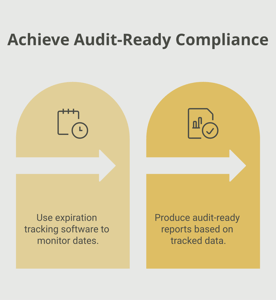
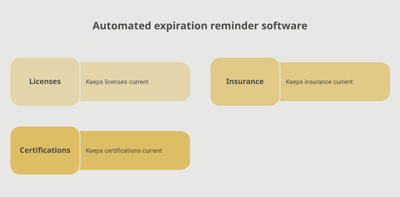
A dedicated tracking platform like Expiration Reminder stores each vehicle with its registration state, inspection due date, inspection station, and the actual sticker or digital record. Reminders fire automatically before the due date, vehicles approaching expiry surface on a dashboard, and reports cover the entire fleet by state, terminal, or vehicle class.
The features that matter most include automated reminders at multiple intervals (60, 30, 7 days), document storage for inspection records, dashboards grouped by state and vehicle class, audit-ready reports for fleet compliance, and the ability to update the next-due date in one step after each inspection.
The goal is straightforward: no vehicle running with an expired sticker, no driver pulled over for an avoidable reason.
Key Takeaways
- Vehicle inspections are state-mandated checks of safety equipment, emissions, or both.
- About a dozen states currently require periodic safety inspections; additional states require emissions tests, often only in certain counties.
- Cycles are typically annual or biennial; commercial vehicles and specialty classes follow stricter schedules.
- Expired stickers can trigger tickets, registration issues, and impoundment.
- Multi-state fleets face overlapping rules that make centralized tracking essential.
- Manual tracking via spreadsheets fails at fleet scale; automated tracking with reminders is the reliable approach.
Frequently Asked Questions
Which states require vehicle safety inspections?
About a dozen states require periodic safety inspections, including Hawaii, Louisiana, Maine, Massachusetts, Missouri, New Hampshire, New York, Pennsylvania, Rhode Island, Utah, Vermont, and West Virginia, among others. State requirements change over time — Texas ended its non-commercial safety inspection program on January 1, 2025.
How often do I need a vehicle inspection?
Typically annual or biennial, depending on state and vehicle type. Commercial vehicles, taxis, school buses, and limousines often follow stricter schedules.
What is checked during a safety inspection?
A typical safety inspection covers lights, brakes, steering, suspension, tires, glazing, windshield wipers, exhaust system, seatbelts, horn, and registration plates. Exact requirements vary by state.
What is the difference between a safety inspection and an emissions inspection?
Safety inspections check mechanical roadworthiness. Emissions inspections (smog checks) measure tailpipe emissions and OBD-II data. Some states require both; some require only one; many require emissions tests only in specific counties.
What happens if my inspection expires?
Driving with an expired inspection is illegal in inspection states. Penalties include tickets, fines, registration suspension, and in some states impoundment. Insurance coverage may also be affected.
Can I get inspected in any state?
Inspections are state-specific. A Pennsylvania sticker is recognized in Pennsylvania; it is not a substitute for a New York inspection when the vehicle is registered in New York. Vehicles registered in inspection states generally must be inspected by an inspection station authorized by that state.
How far in advance can I get the inspection done?
Most states allow inspection up to a month or two before expiry without losing the renewal cycle. Check the specific state's DMV rules.
Do commercial vehicles have different inspection requirements?
Yes. Commercial vehicles often face stricter inspection cycles, additional categories of checks, and additional documentation. DOT-regulated motor carriers are also subject to federal periodic inspection requirements under FMCSR Part 396, in addition to state requirements.
Conclusion
Vehicle inspections are one of the more state-specific compliance obligations in fleet management — the rules differ at almost every border, and the only thing operators can count on is that an expired sticker is a problem somewhere. The substantive work — taking the vehicle in, addressing any defects, paying the fee — is small. The administrative work — knowing every vehicle's next-due date across every state — is where most programs stumble.
If your team tracks inspection dates through spreadsheets, fleet maintenance software, or a manager's memory, you already know how fragile that gets across multiple states. A purpose-built tracking platform like Expiration Reminder centralizes every vehicle, sends reminders before each due date, and produces audit-ready reports the moment anyone asks.
Inspect the vehicles, keep them road-legal, and let the system handle the calendar.