Introduction
If your workforce includes US workers (citizens or work-authorized non-citizens), the Social Security card sits at the foundation of both employment paperwork and tax administration. Unlike most government documents, the Social Security card does not expire — but employers still need to track it as part of I-9 employment verification and to support workers who need replacements.
This article explains what a Social Security card is, why it does not expire, how replacement works (with the 3-per-year and 10-per-lifetime limits), the I-9 employment verification use, and the most practical way to keep Social Security card records straight across a workforce.
For most HR and payroll teams, capturing SSN data at hire is well understood. The hard part is supporting workers through replacement when cards are lost, and managing the variations across different SSN-card types (unrestricted, restricted with "VALID FOR WORK ONLY WITH DHS AUTHORIZATION," and "NOT VALID FOR EMPLOYMENT").
What Is a Social Security Card?
A Social Security card is the document issued by the Social Security Administration (SSA) showing an individual's name and Social Security Number (SSN). The SSN is a 9-digit number assigned by SSA used for tax administration, wage reporting, Social Security benefits, and many other purposes.
Three types of Social Security cards:
- Unrestricted card — shows the cardholder's name and SSN. Issued to US citizens and permanent residents. Establishes both identity (combined with another document) and work authorization for I-9 purposes.
- Restricted "VALID FOR WORK ONLY WITH DHS AUTHORIZATION" — issued to non-citizens with temporary work authorization. Establishes work authorization for I-9 but requires accompanying DHS authorization document.
- Restricted "NOT VALID FOR EMPLOYMENT" — issued to non-citizens who have lawful reason for an SSN (banking, certain benefits, tax filings) but no work authorization. Does not establish work authorization for I-9.
Social Security cards do not expire. Once issued, the card is valid for the cardholder's lifetime. Any date printed on a modern Social Security card is an "issue date," not an expiration date.
Replacement is needed when:
- The card is lost or stolen.
- The card is damaged or unreadable.
- The cardholder's name has legally changed (marriage, divorce, court order).
Replacement is free from the SSA, but limits apply:
- 3 replacement cards per year (per cardholder).
- 10 replacement cards per lifetime (per cardholder).
Exceptions to these limits exist for legal name changes, status changes, and specific exigent circumstances.
For Form I-9 employment verification, the unrestricted Social Security card is a List C document (establishing work authorization). The "VALID FOR WORK ONLY WITH DHS AUTHORIZATION" card is also a List C document but requires accompanying DHS work authorization (typically the Employment Authorization Document, Form I-766).
Why Social Security Card Tracking Matters for Your Organization
While the card itself does not expire, employer tracking matters for three reasons: I-9 compliance, replacement coordination for affected workers, and supporting non-citizen workers with restricted cards.
From an I-9 standpoint, the Social Security card's restricted vs unrestricted status determines its use in employment verification. Workers with "VALID FOR WORK ONLY WITH DHS AUTHORIZATION" cards have work authorization that may have its own expiration (tied to the DHS authorization), even though the SSN card does not expire.
From a worker-experience standpoint, lost SSN cards disrupt banking, healthcare, and tax administration. Supporting workers through replacement is part of comprehensive HR support.
From a tax-administration standpoint, accurate SSN data is essential for wage reporting (W-2), tax withholding, and broader payroll administration. SSN mismatches between employer records and SSA can trigger no-match notices.
For HR, payroll, and immigration-compliance teams, the Social Security card data sits at the foundation of every employee record.
Common Scenarios for Tracking Social Security Card Records
General Employment Verification
Every US employer manages Social Security card data through I-9 verification and ongoing payroll administration.
Non-Citizen Workforces with Restricted Cards
Employers with non-citizen workers on "VALID FOR WORK ONLY WITH DHS AUTHORIZATION" cards must track the underlying DHS work authorization expiration even though the SSN card does not expire.
Workers with Name Changes
HR teams support workers through name-change documentation (marriage, divorce, court order) and SSA card replacement.
Lost or Damaged Cards
HR teams support workers through replacement processes — guidance on SSA online application, in-person office visits, and required identity documents.
Tax-Administration Mismatches
Payroll teams managing SSA wage-reporting no-match notices need accurate Social Security card data to investigate and resolve discrepancies.
How Social Security Card Tracking Benefits Your Organization
A reliable program produces measurable benefits.
For the company, accurate tracking supports clean I-9 compliance, wage reporting, and tax administration.
For HR and payroll teams, knowing the SSN card type for each worker (unrestricted, restricted, no-work) supports correct I-9 handling and onboarding workflow.
For workers, supportive employer processes for SSN replacement reduce personal disruption.
How to Track Social Security Card Records
HRIS and I-9 management systems store SSN data. Payroll systems retain SSN data for tax-administration purposes.
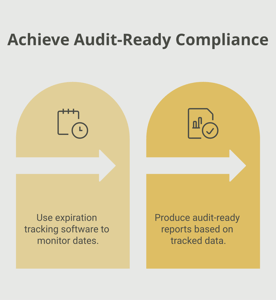
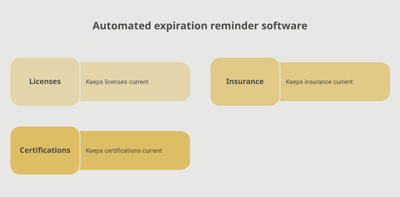
For organizations using a separate compliance tracker, a platform like Expiration Reminder stores each worker with their SSN card type (unrestricted, restricted, no-work), any underlying DHS work authorization expiration (for restricted cards), name-change history, and supporting documents. Reminders fire automatically before DHS work authorization expirations for restricted-card workers.
Key features include automated reminders for DHS work authorization expirations (the underlying work-authorization document for restricted-card workers), secure document storage with strict access controls (SSN is sensitive PII), audit-ready reports for I-9 compliance, and the ability to log new cards in one step (e.g., after a name change).
Key Takeaways
- A Social Security card shows the cardholder's name and 9-digit Social Security Number (SSN), issued by the Social Security Administration.
- Three types: unrestricted, restricted "VALID FOR WORK ONLY WITH DHS AUTHORIZATION," and restricted "NOT VALID FOR EMPLOYMENT."
- Social Security cards do not expire — any date printed is an issue date.
- Replacement cards are free but limited to 3 per year and 10 per lifetime (with exceptions for name changes and certain exigent circumstances).
- For I-9 employment verification, the unrestricted card is a List C document. Restricted cards establish work authorization but require accompanying DHS authorization.
- Employer tracking matters for I-9 compliance, restricted-card DHS authorization expirations, and worker replacement support.
- SSN data is sensitive PII requiring secure storage and strict access controls.
Frequently Asked Questions
Does a Social Security card expire?
No. Once issued, the Social Security card is valid for the cardholder's lifetime. Any date printed on a modern card is an "issue date," not an expiration date.
How many replacement Social Security cards can I get?
Up to 3 per year and 10 per lifetime. Exceptions exist for legal name changes, status changes, and certain exigent circumstances.
How long does it take to get a replacement card?
The SSA typically mails replacement cards 5-10 business days after the request is completed.
What is the difference between an unrestricted and restricted card?
Unrestricted cards (citizens and permanent residents) establish work authorization. Restricted cards with "VALID FOR WORK ONLY WITH DHS AUTHORIZATION" require accompanying DHS authorization to establish work authorization. Cards with "NOT VALID FOR EMPLOYMENT" do not establish work authorization for I-9.
How is the Social Security card used in I-9 verification?
The unrestricted card is a List C document (establishing work authorization). The "VALID FOR WORK ONLY WITH DHS AUTHORIZATION" card is also a List C document with accompanying DHS authorization. The "NOT VALID FOR EMPLOYMENT" card does not satisfy I-9 work authorization requirements.
How long should employers retain Social Security card information?
Form I-9 records must be retained for 3 years after hire or 1 year after termination, whichever is later. SSN data is sensitive PII requiring secure storage.
What is an SSA no-match notice?
A letter the SSA sends to employers when reported wage data (W-2) contains an SSN that does not match SSA records. Employers must investigate and resolve discrepancies. ICE audits review no-match notices and employer responses.
Can I look up a worker's SSN status?
Through SSA's Social Security Number Verification Service (SSNVS), employers can verify that an employee's name and SSN match SSA records (for wage-reporting purposes). The service does not verify work authorization.
Conclusion
The Social Security card is one of the most foundational workforce documents — and notable because it is one of the few that does not expire. The substantive work — providing accurate data, supporting replacement when needed — sits with HR, payroll, and the individual worker. The administrative work for the employer — knowing each worker's card type, tracking the underlying DHS work authorization for restricted-card workers, and supporting replacements — is where structured systems matter.
If your team tracks Social Security card data through HRIS or payroll systems, you already know how sensitive the data is and how important secure storage is. A purpose-built tracking platform like Expiration Reminder centralizes each worker's documentation status (including DHS work-authorization expirations for restricted-card workers), sends reminders before each DHS authorization milestone, stores the supporting documents with strict access controls, and produces audit-ready reports the moment anyone asks.
Verify the workforce, secure the records, and let the system handle the calendar.