Introduction
If your business pays for services on a continuing basis — managed IT, professional services, facilities, marketing, HR outsourcing, cleaning, security, or any of the dozens of service categories most modern organizations consume — the service contracts behind those engagements define what you get, what it costs, and when the arrangement ends. When a service contract slips past unmanaged, costs can renew at higher rates, scope can drift, and exits become messy.
This article explains what a service contract is, the typical terms, how renewals work, and the most practical way to track service contracts across a portfolio.
For most operations, procurement, and finance teams, knowing the service is in place is well understood. The hard part is the calendar — knowing when each contract renews, when notice is due, and when terms should be renegotiated.
What Is a Service Contract?
A service contract is a legal agreement between a service provider and a customer covering the delivery of services for a defined period in exchange for payment. The contract is the framework that governs both parties' obligations during the service relationship.
Typical service contract elements include:
- Scope of services — what the provider will deliver.
- Service levels (SLAs) — measurable commitments around uptime, response times, quality.
- Term — initial period, renewal mechanism, termination rights.
- Fees — pricing structure, invoicing schedule, late payment, escalators.
- Performance standards — quality measures, remedies for non-performance.
- Insurance and liability — required coverage, liability caps.
- Confidentiality and data protection — handling of customer information.
- Termination — for cause, for convenience, end of term, transition assistance.
Service contracts span industries: managed IT services, cleaning and janitorial, security guard services, HVAC and facilities maintenance, landscaping, pest control, copier and printer service, food service, parking management, transportation services, marketing services, payroll services, benefits administration, and dozens more.
Terms vary by service type. Facilities and operations services often run on annual cycles with auto-renewal. Professional services often align to project length. Managed services typically run multi-year. SaaS and tech-enabled services follow software-subscription patterns.
Most service contracts of any size include auto-renewal clauses requiring written termination notice (often 60–90 days before the renewal date) to prevent automatic extension.
Why Service Contract Tracking Matters for Your Organization
Service contract currency protects against three concrete risks: unintended renewal at higher prices, missed performance reviews, and service disruption.
From a pricing standpoint, service contracts often include annual escalators (CPI, fixed percentage, or pass-through cost increases). Renewal time is the moment to review pricing against alternatives — and to renegotiate where market conditions allow.
From a performance standpoint, end of term is the natural moment to evaluate whether the service has met expectations and whether the provider should be retained. Without active management, contracts tend to renew on autopilot regardless of performance.
From a service-continuity standpoint, missing a renewal can suspend service delivery — facilities staff stop showing up, the cleaning crew loses access, the managed IT support line stops answering.
For organizations with sprawling service-contract portfolios (typical of enterprise operations), the calendar is the single most consequential operational control around vendor performance.
Common Scenarios for Tracking Service Contract Expiration Dates
Facilities and Operations
Cleaning, security, landscaping, pest control, HVAC, fire protection, and other facilities services typically run on annual or multi-year contracts. Each property may have its own set of service vendors.
Managed IT and Technology
MSP, MSSP, cloud managed services, helpdesk outsourcing, and other technology services usually run multi-year with auto-renewal clauses.
Professional Services
Legal, accounting, audit, tax, consulting, and similar professional services typically run on engagement letters renewed annually or per matter.
Marketing and Creative Services
Marketing agencies, PR firms, creative agencies, and similar service vendors typically run retainer arrangements with annual or multi-year terms.
HR Outsourcing and Payroll
Payroll providers, benefits administrators, PEOs, and HR outsourcing vendors typically run annual contracts that affect every employee's experience.
How Service Contract Tracking Benefits Your Organization
A reliable service contract tracking program produces measurable benefits.
For the company, current contracts ensure service continuity, surface pricing reviews at the right moment, and prevent unintended auto-renewals.
For procurement, operations, and finance teams, the contract calendar becomes a planned activity. Performance reviews happen at the right cadence. Renegotiation conversations happen with adequate lead time.
For executive leadership, accurate contract data supports vendor consolidation, cost management, and stronger negotiating posture across the service-vendor portfolio.
How to Track Service Contract Expiration Dates
ERP and procurement systems store vendor and contract data. Contract lifecycle management (CLM) platforms add deep workflow capabilities.
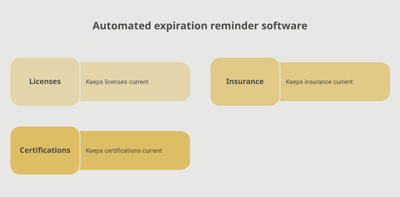
For organizations not running a dedicated CLM, a tracking platform like Expiration Reminder stores each service contract with its provider, scope, SLAs, term, renewal date, auto-renewal clause, termination-notice deadline, owner, and supporting documents. Reminders fire automatically before each renewal and notice deadline.
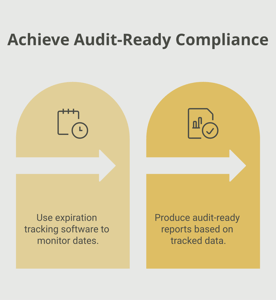
Key features include automated reminders at multiple intervals (120, 90, 60, 30 days), document storage for contracts and amendments, dashboard views by service category, location, or expiry window, audit-ready reports for procurement and finance, and the ability to log new dates after each renewal.
Key Takeaways
- A service contract is a legal agreement covering the delivery of services for a defined period in exchange for payment.
- Terms vary by service category — facilities and operations often annual with auto-renewal; professional services often project-length; managed services often multi-year.
- Most contracts include auto-renewal clauses requiring 60–90 days termination notice.
- Lapsed contracts can disrupt service delivery, renew at higher prices, or lock the customer into another full term.
- Multi-location and multi-vendor portfolios make centralized tracking essential.
Frequently Asked Questions
What is a service contract?
A legal agreement between a service provider and a customer covering delivery of services for a defined period in exchange for payment.
How long do service contracts last?
It varies — facilities and operations services often run annual cycles, professional services may be project-length, managed services often multi-year. Auto-renewal clauses are common.
What is an SLA?
A Service Level Agreement is a defined commitment around measurable service performance (uptime, response time, completion time, quality). SLAs typically include remedies (credits, fees) for non-performance.
What is an auto-renewal clause?
A clause that extends the contract for another term unless the customer provides written termination notice within a specified window (often 60–90 days before the renewal date).
What happens when a service contract expires?
If auto-renewal applies, the contract extends for another term. If not, service delivery typically ends on the expiration date.
How do I prepare for a service contract renewal?
Begin reviewing 90–120 days before the renewal date. Evaluate performance against SLAs, gather pricing alternatives, identify scope adjustments, and prepare the renegotiation position before the conversation.
What is the difference between a service contract and a maintenance contract?
A service contract covers active service delivery (cleaning, security, managed IT). A maintenance contract covers periodic upkeep of equipment, systems, or property. The two often overlap.
How do organizations track many service contracts?
Combinations of ERP, procurement systems, CLM platforms, and dedicated tracking systems. The system that actively reminds before expiry is the one that prevents most failures.
Conclusion
Service contracts are the backbone of every continuing service relationship a business runs. The substantive work — defining scope, negotiating SLAs, managing performance — sits with operations, procurement, and the function consuming the service. The administrative work — knowing every contract's renewal date and termination-notice deadline — is where most service-vendor programs lose ground.
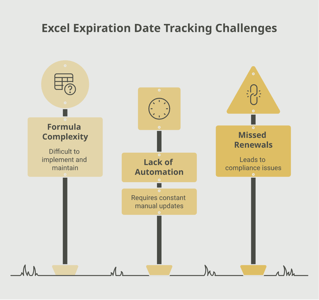
If your team tracks service contracts through procurement systems or spreadsheets, you already know how easy it is for a renewal to slip past. A purpose-built tracking platform like Expiration Reminder centralizes every contract, sends reminders before each renewal and notice deadline, stores the supporting documents, and produces audit-ready reports the moment anyone asks.
Keep the services flowing, plan the renewals, and let the system handle the calendar.