Introduction
If your operations involve lifting and moving loads — construction, steel erection, industrial maintenance, marine work, oil and gas, manufacturing — qualified riggers are the workers who connect loads to cranes, hoists, and lifting equipment safely. The wrong rigging decision can drop a load on people, damage critical equipment, or take down a structure. OSHA's qualified-rigger requirement is the regulatory baseline; NCCCO certification and equivalent credentials are the industry-recognized paths to demonstrating that competence.
This article explains what rigging certification is, the OSHA qualified-rigger requirement, the major certification programs, refresher cadence, and the most practical way to track rigger credentials across a workforce.
For most safety and operations teams, getting riggers initially trained is well understood. The hard part is the calendar — knowing whose certification is current and which sites have qualified riggers available for upcoming lifts.
What Is Rigging Certification?
Rigging certification refers to formal training and demonstrated competence in attaching, securing, and managing loads for hoisting operations. The applicable U.S. regulatory framework comes from OSHA's Cranes and Derricks in Construction standard, 29 CFR 1926.1400 (effective November 8, 2010), plus 29 CFR 1926.753 for rigging in steel erection.
OSHA requires the use of qualified riggers during specific hoisting activities, including:
- Assembly and disassembly work (1926.1404(r)(1)).
- When workers are within the fall zone and hooking, unhooking, or guiding a load.
- When workers perform the initial connection of a load to a component or structure (1926.1425(c)).
A "qualified rigger" is defined as a person who, by possession of a recognized degree, certificate, or professional standing, or by extensive knowledge, training, and experience, has demonstrated the ability to solve problems related to rigging.
OSHA does not mandate a specific certification — the employer determines whether a worker is qualified. However, the most widely recognized industry credentials include:
- NCCCO (National Commission for the Certification of Crane Operators) — Rigger Level I and Level II certifications, plus Signal Person certification. NCCCO certifications are typically valid 5 years.
- CIC (Crane Institute Certification) — Rigger I, II, and Master Rigger credentials.
- NCCER (National Center for Construction Education and Research) — Rigger Level 1, 2, and 3 credentials.
- Manufacturer-specific or company-specific training — common in larger industrial and construction operations.
Refresher training is required when the employer has reason to believe a worker lacks current competence, or when changes in equipment, procedures, or load types create new hazards. Industry best practice is a refresher cycle aligned with the NCCCO 5-year recertification.
Why Rigging Certification Matters for Your Organization
Rigging certification protects against three concrete risks: catastrophic load incidents, OSHA citations, and project shutdowns.
From a safety standpoint, dropped loads, struck-by incidents, and crane upsets are well-documented outcomes of rigging failures. Many result in serious injury or fatality. Qualified rigging is the primary control between a load and the people working around it.
From a regulatory standpoint, missing qualified-rigger designations during assembly/disassembly, fall-zone work, or initial connections are common citations under the crane standard.
From an operational standpoint, projects requiring crane and rigging work cannot proceed without qualified riggers available. Workforce planning depends on knowing who is current and what work they are qualified for.
For multi-project industrial and construction operations, the rigger calendar across the workforce is a core operational and safety control.
Common Scenarios for Tracking Rigging Certification Dates
Construction and Steel Erection
Construction sites using cranes for lifting steel, precast, mechanical equipment, and similar loads require qualified riggers under 1926.1400 and 1926.753.
Industrial Maintenance and Plant Turnarounds
Plant maintenance and turnaround work in refineries, chemical plants, and power plants involves frequent lifting of pumps, exchangers, and other heavy equipment.
Marine and Shipyard Operations
Shipyards and marine operations follow OSHA 29 CFR 1915 (Shipyard Employment) for crane and rigging work, with industry-specific qualifications.
Oil and Gas
Onshore and offshore oil and gas operations face strict qualified-rigger requirements layered onto industry-specific safety programs.
Stage and Entertainment
Entertainment rigging (theatres, concerts, film, broadcast) has its own credentials (ETCP-certified Theatrical and Arena riggers) parallel to the construction-focused programs.
How Rigging Tracking Benefits Your Organization
A reliable tracking program produces measurable benefits.
For the company, current rigger credentials support OSHA and client-audit compliance, reduce incident risk, and preserve project schedules.
For safety and operations teams, the certification calendar becomes predictable. Recertification is scheduled with adequate lead time. Workforce planning matches qualified riggers to upcoming lifts.
For workers, predictable certification cycles reduce the administrative friction of last-minute training.
How to Track Rigging Certification Expiration Dates
NCCCO's CCO Cards verify certification status for individual riggers. NCCCO also maintains an online directory of certified individuals.
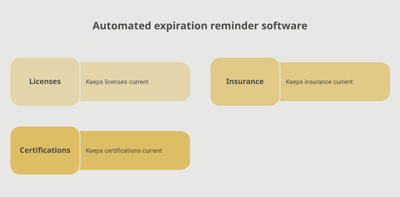
For organizations using a separate compliance tracker, a platform like Expiration Reminder stores each rigger with their certification program, level, issue date, expiration date, and supporting documents. Reminders fire automatically before each recertification.
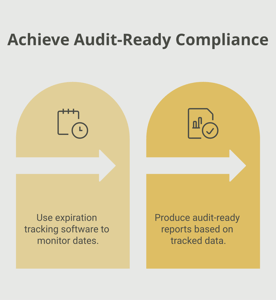
Key features include automated reminders at multiple intervals (180, 90, 60, 30 days — rigger recertification often requires study time), document storage for certification cards and training records, dashboard views by site, project, or expiry window, audit-ready reports for OSHA and client audits, and the ability to log new certifications in one step.
Key Takeaways
- Rigging certification refers to formal training and demonstrated competence in attaching, securing, and managing loads for hoisting.
- OSHA 29 CFR 1926.1400 requires qualified riggers for specific hoisting activities (assembly/disassembly, fall-zone work, initial connections).
- OSHA does not mandate a specific certification — the employer determines competence.
- The most recognized industry programs include NCCCO, CIC, and NCCER.
- NCCCO certifications are typically valid 5 years; refresher training is required when competence is in question or conditions change.
- Lapsed credentials can shut down work, trigger OSHA citations, and elevate the risk of catastrophic load incidents.
- Automated tracking with reminders is the reliable approach across multi-project workforces.
Frequently Asked Questions
Who needs rigging certification?
Anyone who attaches, secures, or manages loads for hoisting operations. OSHA specifically requires qualified riggers during assembly/disassembly, fall-zone work, and initial connections.
Does OSHA require a specific certification?
No. OSHA defines "qualified rigger" by capability, not credential. The employer determines whether a person is qualified based on training, experience, and demonstrated ability.
What is NCCCO certification?
NCCCO (National Commission for the Certification of Crane Operators) administers widely recognized certifications for crane operators, riggers, and signal persons. NCCCO Rigger Level I and Level II are the most common rigging credentials.
How long is NCCCO rigger certification valid?
5 years. Recertification requires either retaking the exam or meeting specific recertification criteria (training hours, work experience).
What is the difference between a qualified rigger and a certified rigger?
"Qualified" is the OSHA term — defined by employer determination based on demonstrated capability. "Certified" typically refers to passing a recognized program such as NCCCO. Many employers require certification as evidence of qualification, but the two concepts are distinct.
What is a signal person?
A worker designated to communicate with the crane operator using hand signals, voice signals, or other approved methods. Signal persons must also be qualified under OSHA 1926.1428.
Are there separate requirements for entertainment rigging?
Yes. ETCP (Entertainment Technician Certification Program) offers Theatrical and Arena Rigger certifications recognized in the entertainment industry.
How do organizations track rigger credentials?
Combinations of program portals (NCCCO, CIC), construction safety platforms, and dedicated tracking systems. The system that actively reminds before each recertification is the one that prevents most lapses.
Conclusion
Rigging certification is one of the highest-stakes credentials in any operation involving cranes and lifting. The substantive work — training, demonstrating capability, applying technique on every lift — sits with riggers, supervisors, and safety teams. The administrative work — knowing every rigger's certification status and scheduling recertification — is where most programs need help.
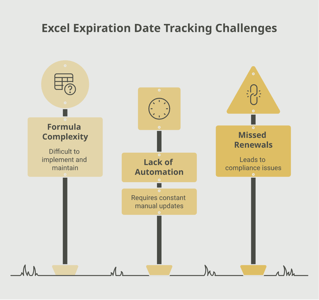
If your team tracks rigger credentials through program portals, paper cards, or spreadsheets, you already know how easy it is for a worker's certification to lapse before a critical lift. A purpose-built tracking platform like Expiration Reminder centralizes every credential, sends reminders before each recertification date, stores the supporting documents, and produces audit-ready reports the moment anyone asks.
Lift safely, manage the credentials, and let the system handle the calendar.