Introduction
If your workforce includes commercial drivers — anyone operating commercial motor vehicles in interstate commerce over 10,000 pounds, transporting hazardous materials, or carrying passengers — the DOT medical card is the federally mandated certification that the driver is medically fit to drive. The card is one of the most consequential credentials in any trucking, bus, or fleet operation, and missed renewals can shut down a driver — and sometimes a route — overnight.
This article explains what a DOT medical card is, the FMCSA framework, the typical 24-month validity, the certification and self-certification process, and the most practical way to track medical cards across a commercial driver workforce.
For most fleet safety and DOT compliance teams, scheduling DOT physicals is well understood. The hard part is the calendar — knowing whose card is current and ensuring no driver operates with a lapsed medical card.
What Is a DOT Medical Card?
A DOT medical card — formally the Medical Examiner's Certificate (MEC), Form MCSA-5876 — is a document issued by an FMCSA-listed medical examiner certifying that a commercial driver meets the medical standards in 49 CFR 391.41. It is required for:
- Commercial drivers in interstate commerce operating vehicles with a gross vehicle weight rating (GVWR) over 10,000 pounds.
- Drivers transporting hazardous materials in quantities requiring placarding.
- Drivers of passenger-carrying vehicles designed to transport more than 8 passengers (including the driver) for compensation, or more than 15 passengers (including the driver) regardless of compensation.
Most states also require some form of medical certification for intrastate commercial drivers, often using similar standards.
The medical examination is conducted by a healthcare provider listed on the FMCSA National Registry of Certified Medical Examiners. The examiner uses the Medical Examination Report (MER), Form MCSA-5875, and issues the MEC if the driver meets the medical standards.
Validity:
- Maximum 24 months — typical for drivers with no qualifying conditions.
- Less than 24 months — when the examiner determines monitoring is needed (often for conditions like high blood pressure, certain diabetes management, sleep apnea, vision, hearing, or other conditions).
For CDL holders, the medical card must be:
- Carried while driving, OR
- Reported to the State Driver Licensing Agency (SDLA), which adds the medical certification status to the CDL record.
CDL holders must also self-certify the type of operation they perform with their CDL — interstate non-excepted, interstate excepted, intrastate non-excepted, or intrastate excepted — under the FMCSA Medical Certification Requirement.
When a medical card expires, the driver is no longer qualified to operate the commercial vehicle under FMCSR. Continuing to drive with an expired card is a violation of the driver and the employer.
Why DOT Medical Card Tracking Matters for Your Organization
Medical card currency protects against three concrete risks: driver disqualification, DOT compliance findings, and insurance claim issues.
From a driver-qualification standpoint, an expired medical card immediately disqualifies the driver. The driver cannot legally operate the commercial vehicle, and the carrier cannot legally allow the driver to do so.
From a DOT compliance standpoint, missing medical cards in the driver qualification (DQ) file are among the most common findings during compliance reviews. Patterns of non-compliance affect the carrier's Safety Measurement System scores and safety rating.
From an insurance and liability standpoint, an accident involving a driver with an expired medical card creates substantial exposure for the carrier — both in regulatory consequences and in civil litigation.
For motor carriers of all sizes, the medical card calendar across the driver workforce is one of the most consequential operational controls in the DOT compliance program.
Common Scenarios for Tracking Medical Card Expiration Dates
Long-Haul and Regional Trucking
Truckload and LTL carriers manage medical cards for every CDL driver in the fleet. The 24-month cycle, plus shorter cycles for drivers with monitored conditions, requires active tracking.
Local and Final-Mile Delivery
Local delivery and final-mile operations may include both CDL and non-CDL drivers, with different medical requirements. CDL drivers face the full DOT medical card cycle.
Bus, Coach, and Passenger Transportation
Bus and coach operators face medical card requirements plus passenger-transportation-specific standards. Many state DOT or PUC programs add overlay requirements.
Construction Vocational Fleets
Vocational fleets (construction, utilities, telecom service) running CMVs face the same medical card requirements as long-haul carriers, often with smaller dedicated compliance staff.
Owner-Operator and Leased Driver Programs
Owner-operators and leased drivers still need current medical cards. Carriers using these arrangements must verify and document the cards.
How DOT Medical Card Tracking Benefits Your Organization
A reliable tracking program produces measurable benefits.
For the company, current medical cards keep drivers qualified, support DOT compliance and safety ratings, and reduce insurance/litigation exposure.
For safety, fleet, and HR teams, the medical card calendar becomes predictable. Physicals are scheduled with adequate lead time, particularly for drivers with shorter card cycles. New-hire onboarding includes medical card verification as a structured step.
For drivers, predictable physical scheduling reduces last-minute appointment friction and ensures they remain qualified to drive.
How to Track Medical Card Expiration Dates
Driver qualification file management software is widely used by motor carriers to track medical cards alongside other DQ documents. Many fleet safety platforms include medical card workflow.
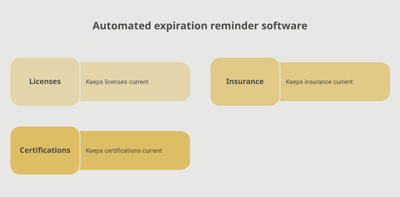
For organizations using a separate compliance tracker, a platform like Expiration Reminder stores each driver with their medical card expiration date, examiner information, restrictions (if any), and supporting documents. Reminders fire automatically before each card expiration.
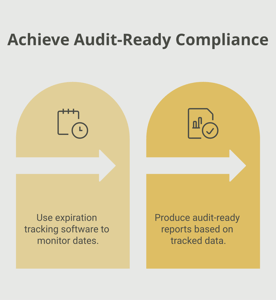
Key features include automated reminders at multiple intervals (90, 60, 30, 14 days — short card cycles require closer monitoring), document storage for medical examiner certificates, dashboard views by driver, terminal, or expiry window, audit-ready reports for DOT compliance reviews, and the ability to log new cards in one step after each physical.
Key Takeaways
- A DOT medical card is the FMCSA Medical Examiner's Certificate (Form MCSA-5876) certifying a commercial driver is medically fit to drive.
- Required for drivers of CMVs over 10,000 lbs in interstate commerce, hazmat drivers, and passenger-vehicle drivers above specified thresholds.
- Maximum validity is 24 months; the examiner may issue cards for shorter periods to monitor medical conditions.
- Medical examiners must be on the FMCSA National Registry.
- CDL holders must report card status to the SDLA and self-certify their operation type.
- Lapsed cards immediately disqualify the driver and are a common DOT compliance review finding.
- Automated tracking with reminders is essential for any motor carrier of meaningful size.
Frequently Asked Questions
How long is a DOT medical card valid?
Maximum 24 months. The medical examiner may issue the card for shorter periods (commonly 3, 6, or 12 months) to monitor conditions such as hypertension, diabetes, or sleep apnea.
Who can perform a DOT physical?
Only healthcare providers listed on the FMCSA National Registry of Certified Medical Examiners. The Registry is searchable on the FMCSA website.
What is the difference between a medical card and a medical certificate?
The terms are largely interchangeable. "Medical card" refers to the Medical Examiner's Certificate (Form MCSA-5876) that drivers historically carried. CDL holders may now have the certification reported to the SDLA in lieu of carrying the card.
Who needs a DOT medical card?
Commercial drivers in interstate commerce operating CMVs over 10,000 lbs GVWR, drivers transporting placarded hazmat, and drivers of passenger-carrying vehicles above specified passenger thresholds.
What is self-certification?
CDL holders must self-certify the type of operation they perform — interstate non-excepted, interstate excepted, intrastate non-excepted, or intrastate excepted. This affects which medical certification requirements apply.
What happens when a medical card expires?
The driver is immediately disqualified from operating the CMV. The carrier may not allow the driver to drive. Reinstatement requires a new physical and a new medical card.
What conditions might shorten a medical card cycle?
High blood pressure, diabetes (depending on management), sleep apnea, vision or hearing conditions, certain cardiovascular conditions, and other monitored conditions can lead to shorter card cycles (3, 6, or 12 months instead of 24).
How long should medical card records be kept?
FMCSR § 391.51 requires medical examination certificates to be retained in the driver qualification file for at least 3 years from the date the document expired.
Conclusion
The DOT medical card is the gatekeeper credential for every commercial driver under FMCSR. The substantive work — scheduling the physical, completing the exam, addressing any medical conditions — sits with drivers, occupational health providers, and the carrier's safety team. The administrative work — knowing every driver's card expiration date, ensuring no driver operates lapsed, and maintaining the documentation in the DQ file — is where most carriers need help most.
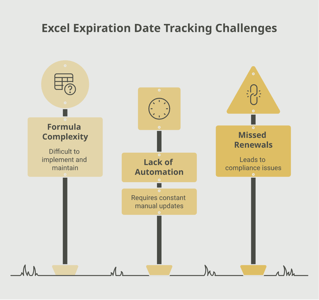
If your team tracks medical cards through DQ-file software or spreadsheets, you already know how easy it is for a driver's card to lapse — particularly for drivers on shorter monitoring cycles. A purpose-built tracking platform like Expiration Reminder centralizes every driver, sends reminders before each card expiration, stores the supporting documents, and produces audit-ready reports the moment anyone asks.
Examine the drivers, manage the cards, and let the system handle the calendar.