Introduction
If your business runs on equipment, vehicles, machinery, HVAC systems, elevators, or buildings, a maintenance contract is the agreement that keeps those assets serviced, inspected, and operational. When a maintenance contract lapses, the asset keeps running — until it doesn't, and the failure that follows is typically more expensive than a year of routine service.
This article explains what a maintenance contract is, how it differs from a service contract or software maintenance contract, the typical terms, and the most practical way to track maintenance contracts across an asset portfolio.
For most operations and facilities teams, ordering the contract at asset purchase is well understood. The hard part is the calendar — knowing every contract's renewal date and the maintenance schedule it gates.
What Is a Maintenance Contract?
A maintenance contract is a legal agreement between an asset owner and a service provider covering the periodic inspection, servicing, and repair of equipment, machinery, vehicles, or property over a defined period. Unlike one-off service contracts, maintenance contracts cover ongoing upkeep across a defined schedule.
Common maintenance contract elements include:
- Scope — which assets, what services, what frequencies.
- Schedule — visit frequency, calendar or usage-based triggers, response times for unscheduled service.
- Parts and labor — what is covered, what is excluded, what is billable separately.
- Service levels — uptime guarantees, response times, escalation paths.
- Fees — fixed annual fee, time-and-materials, or hybrid structures.
- Term and renewal — initial period, renewal mechanism, termination rights.
- Reporting — service logs, inspection reports, compliance documentation.
Maintenance contracts apply to a wide range of assets: HVAC systems, elevators and escalators, fire protection systems, generators and UPS, kitchen equipment, copiers and printers, fleet vehicles, manufacturing equipment, building envelope (roofs, windows), and dozens of other categories.
Terms typically run annually or multi-year. Multi-year contracts often include locked-in pricing for the term, while annual contracts may include CPI or fixed-percentage escalators at renewal.
Many maintenance contracts also satisfy regulatory inspection requirements — fire alarm and sprinkler inspections under NFPA standards, elevator inspections under state codes, boiler inspections under jurisdictional rules. The contract is both an operational tool and a compliance artifact.
Why Maintenance Contract Tracking Matters for Your Organization
Maintenance contract currency protects against three concrete risks: asset failure, compliance gaps, and budget surprises.
From an asset standpoint, scheduled maintenance is what keeps equipment running. Lapsed contracts mean missed visits, deferred inspections, and accelerated wear. The first sign of trouble is often an unplanned failure that costs orders of magnitude more than the maintenance would have.
From a compliance standpoint, many maintenance contracts cover regulatory-mandated inspections (fire systems, elevators, boilers, pressure vessels). Lapsed contracts mean the inspections do not happen, which is a regulatory finding regardless of whether anything else goes wrong.
From a budget standpoint, contract renewals are predictable line items. Lapsed contracts force the same work onto time-and-materials pricing, often at significant premium.
For multi-site organizations with property portfolios, the maintenance contract calendar across all sites is one of the most important operational controls in facilities management.
Common Scenarios for Tracking Maintenance Contract Expiration Dates
Facilities and Property Management
Property managers running office, retail, industrial, or mixed-use properties manage maintenance contracts for HVAC, elevators, fire protection, generators, BMS, plumbing, and dozens of other systems per property.
Healthcare Facilities
Hospitals, clinics, and long-term care facilities have particularly intense maintenance contract portfolios — medical gas systems, sterilization equipment, imaging equipment, generators, biosafety cabinets, lab equipment — each with regulatory inspection requirements.
Manufacturing and Industrial
Manufacturers run maintenance contracts for production equipment, CNC machines, compressors, conveyors, and supporting infrastructure. Downtime directly impacts production.
Fleet Operations
Commercial fleets often run maintenance contracts with dealers or third-party service providers covering scheduled maintenance, warranty work, and unscheduled repairs.
Restaurants and Hospitality
Restaurants and hotels maintain contracts for kitchen equipment, refrigeration, HVAC, fire suppression, elevators, pool equipment, and similar systems.
How Maintenance Contract Tracking Benefits Your Organization
A reliable tracking program produces measurable benefits.
For the company, current contracts maintain asset uptime, prevent regulatory findings, and avoid the budget surprise of out-of-contract emergency repairs.
For facilities and operations teams, the contract calendar becomes predictable. Renewals are negotiated with adequate lead time. Performance reviews against contractor SLAs happen at the right cadence.
For finance and asset management, accurate contract data supports lifecycle planning, total-cost-of-ownership analysis, and contractor consolidation opportunities.
How to Track Maintenance Contract Expiration Dates
Computerized Maintenance Management Systems (CMMS) — UpKeep, Fiix, Hippo, FacilitySphere, others — store contract and asset data with deep workflow capabilities.
ERP and facilities management systems also store contract data alongside vendor master records.
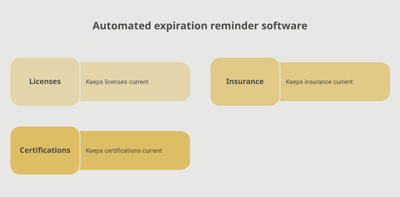
For organizations not running a dedicated CMMS, a tracking platform like Expiration Reminder stores each maintenance contract with its contractor, covered assets, term, renewal date, supporting documents, and responsible owner. Reminders fire automatically before each renewal.
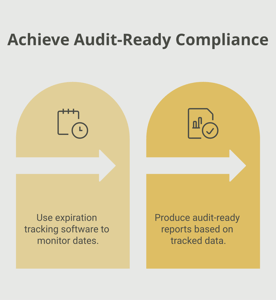
Key features include automated reminders at multiple intervals (120, 90, 60, 30 days), document storage for contracts and service logs, dashboard views by site, asset class, or expiry window, audit-ready reports for facilities and compliance, and the ability to log new dates after each renewal.
Key Takeaways
- A maintenance contract is a legal agreement covering periodic inspection, servicing, and repair of equipment, machinery, vehicles, or property.
- Applies broadly across HVAC, elevators, fire systems, generators, kitchen equipment, copiers, fleet, and manufacturing equipment.
- Terms typically run annually or multi-year; multi-year contracts often include locked pricing.
- Many maintenance contracts satisfy regulatory inspection requirements (fire, elevator, boiler).
- Lapsed contracts cause asset failures, compliance gaps, and emergency-repair budget surprises.
- Multi-site portfolios make centralized tracking essential.
Frequently Asked Questions
How long does a maintenance contract typically last?
Most run on annual terms with auto-renewal options. Multi-year contracts (2–5 years) are common for higher-value equipment and often include locked pricing.
What does a maintenance contract cover?
Typically scheduled inspections and servicing, response to unscheduled issues, parts and labor (with defined inclusions/exclusions), and required compliance documentation.
Are parts and labor always included?
It depends on the contract. Full-coverage contracts include both. Labor-only contracts exclude parts. Time-and-materials structures are billed per visit. Read the specific contract carefully.
What is the difference between a maintenance contract and a service contract?
A service contract typically covers active service delivery (cleaning, security, managed IT). A maintenance contract focuses on periodic upkeep of equipment, systems, or property. The two often overlap in practice.
What happens when a maintenance contract expires?
Scheduled visits stop. The asset continues to run until the next failure, which is typically more expensive without a contract in place. Regulatory inspections may also lapse.
Do maintenance contracts cover regulatory inspections?
Many do — fire alarm and sprinkler inspections, elevator inspections, boiler inspections, and others can be bundled into a maintenance contract. Confirm with the contractor what is included.
How should I prepare for a maintenance contract renewal?
Begin reviewing 60–90 days before the renewal date. Evaluate contractor performance, gather competitive quotes, identify asset additions or retirements, and prepare the renegotiation position before the conversation.
How do organizations track many maintenance contracts?
Combinations of CMMS, ERP, facilities management systems, and dedicated tracking platforms. The system that actively reminds before expiry is the one that prevents most failures.
Conclusion
Maintenance contracts are the operational backbone of every asset-driven business — and the calendar around them gates both uptime and compliance. The substantive work — defining scope, negotiating SLAs, evaluating performance — sits with facilities, operations, and procurement. The administrative work — knowing every contract's renewal date and what assets it covers — is where most facilities programs need help.
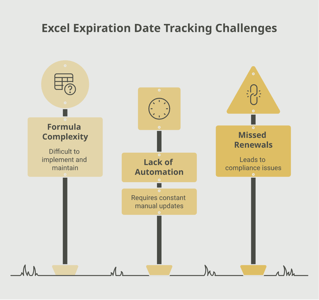
If your team tracks maintenance contracts through CMMS, ERP, or spreadsheets, you already know how easy it is for one contract to slip past. A purpose-built tracking platform like Expiration Reminder centralizes every contract, sends reminders before each renewal, stores the supporting documents, and produces audit-ready reports the moment anyone asks.
Keep the assets running, plan the renewals, and let the system handle the calendar.