Introduction
If your operations include food service, food production, retail food sales, water systems, pools, body art, childcare, or any of the categories regulated by local public health authorities, the health permit is the document that authorizes daily operations. Annual renewal is the norm, late fees apply, and the consequences of operating without a current permit range from fines to forced closure.
This article explains what a health permit is, the typical annual renewal cycle, late-fee structures, ownership-change rules, and the most practical way to track health permits across one location or a multi-unit operation.
For most operators, individual renewals are well understood. The hard part is the calendar across multi-unit operations, particularly when expiration dates vary by jurisdiction.
What Is a Health Permit?
A health permit (sometimes called a health department permit, food service permit, public health license, or food establishment license) is a document issued by the local public health authority authorizing a regulated activity. The most common category is food service establishments, but health permits also apply to:
- Food service and retail food — restaurants, cafes, food trucks, caterers, grocery, convenience stores.
- Food production and processing — bakeries, commissaries, processors.
- Public swimming pools and spas.
- Tattoo and body art studios.
- Childcare facilities.
- Tanning facilities.
- Hotels, motels, and other lodging.
- Public water systems (depending on jurisdiction).
The applicable framework varies:
- FDA Food Code — federal guidance, adopted in some form by most U.S. jurisdictions for food establishments.
- State public health regulations — administered by state Departments of Health.
- Local public health authorities — county or city health departments issue most permits.
Renewal cadence:
- Annual is the most common — most permits expire on December 31 each year, or on a fixed calendar date (March 1, April 30, etc.) varying by jurisdiction.
- Cincinnati food licenses expire March 1 of each year.
- Detroit food licenses expire April 30.
- Many jurisdictions issue renewal reminders 60 days before expiration.
When permits expire:
- Operating without a valid permit is generally illegal.
- Late fees apply for renewals submitted after expiration.
- Continued unauthorized operation can trigger closure orders.
Key rules across jurisdictions:
- Annual renewal required.
- Late renewal fees apply.
- Permits are not transferable — upon ownership change, the existing permit is closed and a new permit must be issued in the new owner's name.
- Inspections are typically conducted unannounced and may occur multiple times per year regardless of renewal cycle.
Why Health Permit Tracking Matters for Your Organization
Health permit currency protects against three concrete risks: forced closure, fines, and reputational damage.
From an operational standpoint, an expired permit can lead to immediate closure orders. For food service, a closed restaurant means immediate revenue loss plus customer-facing disruption.
From a regulatory standpoint, late renewal triggers fees and (in some jurisdictions) administrative complications. Repeated late renewals can affect inspection priority and enforcement posture.
From a reputational standpoint, posted permits and health inspection scores are visible to customers. Expired or "not current" status is immediately visible.
For multi-location operators, the health permit calendar across the portfolio is a foundational compliance control.
Common Scenarios for Tracking Health Permit Expiration Dates
Multi-Unit Restaurant Operators
Restaurant chains and franchise operators manage dozens or hundreds of permits across multiple cities and counties. Centralized tracking prevents the largest operational risks.
Food Trucks and Mobile Vendors
Mobile food operators face permits in every jurisdiction where they operate. Multi-jurisdiction operators need particularly careful tracking.
Grocery and Retail Food
Grocery stores, convenience stores, and retail food operations hold food permits alongside other operating licenses.
Hotels and Hospitality
Hotels with multiple food and beverage outlets manage multiple permits — restaurant, banquet, pool, spa.
Schools, Healthcare, and Senior Living
Institutional foodservice in schools, hospitals, and senior living facilities holds health permits alongside other regulatory requirements.
How Health Permit Tracking Benefits Your Organization
A reliable program produces measurable benefits.
For the company, current permits maintain operational authority, avoid late fees, and support clean health-inspection posture.
For operations and compliance teams, the permit calendar becomes predictable. Annual renewals are submitted on schedule.
For customers and inspectors, posted current permits signal active compliance.
How to Track Health Permit Expiration Dates
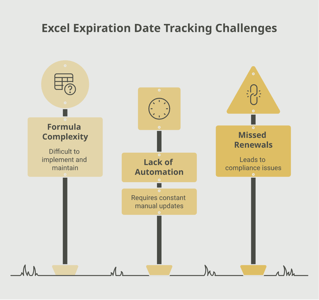
Local public health authority portals provide permit-status verification in most jurisdictions. Restaurant management platforms and franchise compliance tools often include permit tracking.
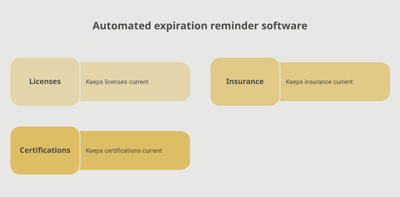
For organizations using a separate compliance tracker, a platform like Expiration Reminder stores each permit with its location, category, expiration date, jurisdictional health authority, supporting documents, and inspection history. Reminders fire automatically before each renewal date.
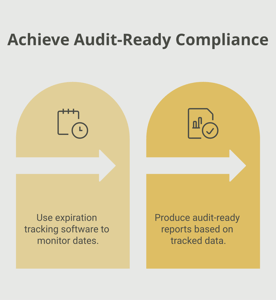
Key features include automated reminders at multiple intervals (90, 60, 30 days), document storage for permits and inspection reports, dashboard views by location, category, or expiry window, audit-ready reports for health authorities and franchise oversight, and the ability to log new permits in one step.
Key Takeaways
- A health permit is a document issued by the local public health authority authorizing a regulated activity (most commonly food service).
- Applies to food service, food production, pools, body art, childcare, tanning, lodging, and other categories.
- Most permits renew annually with expiration dates varying by jurisdiction.
- Late fees apply for renewals submitted after expiration.
- Permits are not transferable upon ownership change — new permits required.
- Lapses can trigger closure orders, fines, and reputational damage.
- Multi-location operations make centralized tracking essential.
Frequently Asked Questions
How often are health permits renewed?
Annual is most common. Specific expiration dates vary by jurisdiction — many on December 31, others on fixed calendar dates throughout the year.
What categories require health permits?
Food service and retail food are most common. Pools and spas, body art, childcare, tanning, lodging, and certain public water systems are also commonly permitted by local public health authorities.
What happens if a health permit expires?
Operating without a valid permit is generally illegal. Late renewal fees apply. Continued unauthorized operation can lead to closure orders and fines.
Can I transfer a health permit when I sell my restaurant?
Generally no. Health permits are not transferable in most jurisdictions. The existing permit is closed and a new permit must be issued in the new owner's name.
Are health permit inspections different from renewal?
Yes. Inspections are typically unannounced and may occur multiple times per year regardless of the renewal cycle. Renewal involves the permit fee and (in some jurisdictions) an additional inspection.
Does my state regulate health permits or my county?
It varies. Some states administer permits centrally; most delegate to county or city health departments. Confirm with your local public health authority.
What is the FDA Food Code?
A model regulation published by the U.S. Food and Drug Administration providing science-based guidance for retail food regulation. Adopted in various forms by most U.S. jurisdictions.
How long should health permit records be kept?
Most operators retain current and prior cycle permits plus inspection reports. Specific retention is set by jurisdiction and operator policy.
Conclusion
Health permits are the operational license layer for any food service, food production, or public health-regulated business. The substantive work — maintaining sanitation, training staff, complying with code — sits with operators and frontline managers. The administrative work — knowing every permit's expiration, submitting renewals before late fees apply, and managing the calendar across multiple locations — is where most multi-unit operators need help.
If your team tracks health permits through public health portals or paper records, you already know how easy it is for one location's permit to slip past. A purpose-built tracking platform like Expiration Reminder centralizes every permit, sends reminders before each renewal, stores the supporting documents, and produces audit-ready reports the moment anyone asks.
Operate cleanly, renew on time, and let the system handle the calendar.