Introduction
If your operations involve places of assembly, hazardous materials, hot work, high-piled storage, spray finishing, or any of the dozens of fire-code-regulated activities, the fire permit is the document authorizing the activity. Permits range from annual operational permits to short-duration hot work permits, and the fire marshal (or other Authority Having Jurisdiction) issues them after specific inspections. The calendar across the operational permit portfolio is one of the most consequential fire-safety controls.
This article explains what a fire permit is, the annual operational permit framework, hot work permits, the role of the AHJ and fire marshal, NFPA 1 / IFC code framework, and the most practical way to track fire permits across an operation.
For most fire-safety and operations teams, scheduling individual permit renewals is well understood. The hard part is the calendar across multiple permit types and locations.
What Is a Fire Permit?
A fire permit is a document issued by the local fire marshal or fire code official (the Authority Having Jurisdiction, AHJ) authorizing a specified activity, occupancy, or operation under the applicable fire code. Permits are typically required for activities that create or increase fire and life-safety hazards.
The applicable framework includes:
- NFPA 1: Fire Code — the National Fire Protection Association's model fire code, adopted in various forms by state and local fire codes.
- International Fire Code (IFC) — the International Code Council's model fire code, also widely adopted.
- State and local fire codes — adoption of NFPA 1 or IFC with state- or local-specific amendments.
- Authority Having Jurisdiction (AHJ) — the local fire marshal or fire code official with enforcement authority.
Common fire permit categories:
- Operational permits (annual) — issued for places of assembly, hazardous materials use/storage, hazardous operations, high-piled combustible storage, spray finishing, public entertainment, and similar ongoing activities. Typically renewed annually.
- Hot work permits (short-duration) — issued for cutting, welding, brazing, soldering, and similar operations producing sparks or open flames. Required for specific work in non-designated hot work areas.
- Burn permits — for open burning (where permitted).
- Fireworks display permits — for pyrotechnic displays.
- Construction permits — for new fire alarm, sprinkler, suppression, or other fire-protection system installations.
- Temporary use permits — for specific events (concerts, festivals, temporary structures).
Operational permits typically follow this pattern:
- Initial inspection before issuance.
- Annual renewal with re-inspection.
- Renewal invoicing typically 30+ days before expiration.
- Posted on premises as visible evidence of authorization.
Hot work permits typically:
- Require designated hot work areas to receive initial and annual renewal inspections by the fire marshal.
- Permit conducting hot work in designated areas without specific event permits.
- Require event-specific permits for hot work outside designated areas.
Why Fire Permit Tracking Matters for Your Organization
Fire permit currency protects against three concrete risks: regulatory enforcement, operational shutdown, and insurance coverage issues.
From a regulatory standpoint, performing permitted activities without a current permit triggers fire marshal enforcement, fines, and stop-work orders.
From an operational standpoint, an expired operational permit can force suspension of regulated activities. Manufacturing, food service, healthcare, and event operations all depend on current permits.
From an insurance standpoint, commercial property and liability insurance may be affected by lapsed fire permits. Coverage gaps can leave the operator personally exposed.
For organizations with permitted operations — manufacturing, hospitality, healthcare, entertainment, education, retail, and any place of assembly — the fire permit calendar is a foundational fire-safety and compliance control.
Common Scenarios for Tracking Fire Permit Expiration Dates
Manufacturing and Industrial
Manufacturers use hazardous materials, perform spray finishing, store flammables, and conduct hot work routinely. Multiple annual permits are typical.
Places of Assembly
Bars, restaurants, concert venues, theaters, conference centers, and similar places of assembly hold annual operational permits with capacity limits.
Healthcare Facilities
Hospitals and clinics hold permits for hazardous materials, anesthetic gases, oxygen storage, and other regulated activities.
Construction and Renovation
Construction projects hold hot work permits and (depending on jurisdiction) temporary use permits for site activities.
Event Operators and Hospitality
Hotels, event venues, and outdoor event operators manage temporary permits alongside annual operational permits.
How Fire Permit Tracking Benefits Your Organization
A reliable program produces measurable benefits.
For the company, current permits maintain operational continuity, support clean fire-marshal inspections, and preserve insurance coverage.
For safety, fire-protection, and operations teams, the permit calendar becomes predictable. Annual renewals are scheduled with adequate lead time. Hot work permits for upcoming projects are coordinated with operations.
For workers and occupants, posted permits signal active fire-safety management.
How to Track Fire Permit Expiration Dates
Many fire marshal offices issue renewal invoices 30+ days before expiration. Building owners and operations teams typically coordinate with the fire-protection contractor for inspection scheduling.
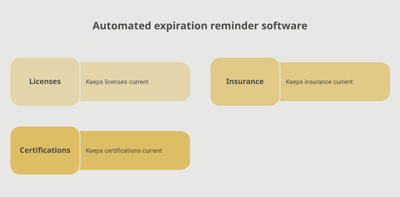
For organizations using a separate compliance tracker, a platform like Expiration Reminder stores each permit with its category, AHJ, expiration date, supporting inspection records, and required documentation. Reminders fire automatically before each renewal.
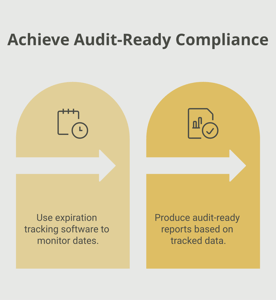
Key features include automated reminders at multiple intervals (90, 60, 30 days), document storage for permits, inspection reports, and renewal invoices, dashboard views by site, permit type, or expiry window, audit-ready reports for fire marshal inspections, and the ability to log new permits in one step.
Key Takeaways
- A fire permit is a document issued by the local fire marshal authorizing a regulated activity, occupancy, or operation.
- Framework: NFPA 1 (Fire Code), International Fire Code (IFC), and adopted state/local codes.
- Common categories: annual operational permits, short-duration hot work permits, burn permits, fireworks display permits, construction permits, temporary use permits.
- Operational permits typically renew annually with re-inspection.
- Hot work permits may be issued as event-specific or for designated areas with annual area re-inspection.
- Lapsed permits trigger enforcement, stop-work orders, and potential insurance issues.
- Multi-site and multi-permit operations need centralized tracking.
Frequently Asked Questions
How often are fire permits renewed?
Operational permits are typically renewed annually. Hot work permits range from event-specific (single use) to annual (for designated hot work areas). Other categories follow their own schedules.
Who issues fire permits?
The local Authority Having Jurisdiction (AHJ) — typically the city or county fire marshal, or in some cases a state-level fire safety office.
What is a hot work permit?
A permit authorizing cutting, welding, brazing, soldering, or similar operations producing sparks or open flames. Required when hot work occurs outside designated hot work areas.
What is NFPA 1?
NFPA 1: Fire Code — the National Fire Protection Association's model fire code, addressing fire and life safety in the built environment. Adopted by many states and local jurisdictions.
What is the difference between NFPA 1 and the International Fire Code (IFC)?
Both are model fire codes; jurisdictions adopt one or the other (or hybrid versions) and amend as needed. NFPA 1 is published by the National Fire Protection Association; IFC is published by the International Code Council.
What happens if a fire permit expires?
The permitted activity is no longer authorized. The AHJ can order suspension, impose fines, and require remediation before reissuance. Continued operation creates regulatory and insurance exposure.
Where should permits be posted?
Most operational permits must be posted at the premises in a location visible to occupants and inspectors.
How long should fire permit records be kept?
Most operators retain current and previous permit cycles. Specific retention is set by the AHJ; longer retention supports incident investigation defenses.
Conclusion
Fire permits are the operational authorization layer for every fire-code-regulated activity in a workplace, venue, or facility. The substantive work — managing hazards, complying with code, supporting fire-marshal inspections — sits with safety, facilities, and operations. The administrative work — knowing every permit's expiration, scheduling renewal inspections, and managing the cascade across multiple permit categories — is where most fire-safety programs need help.
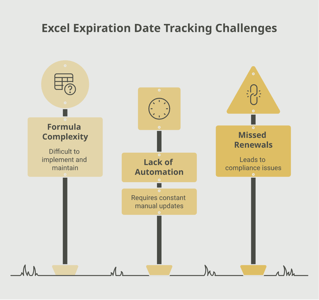
If your team tracks fire permits through fire marshal portals or paper records, you already know how easy it is for one permit to slip past renewal. A purpose-built tracking platform like Expiration Reminder centralizes every permit, sends reminders before each renewal, stores the supporting documents, and produces audit-ready reports the moment anyone asks.
Authorize the activities, post the permits, and let the system handle the calendar.