Introduction
If your business has employees on the road — delivery, sales, service, executive transport, or anyone driving on company business — defensive driving training reduces incident rates, supports insurance compliance, and (in many states) gives drivers a path to ticket dismissal or insurance premium discounts. The training itself is short and well-understood; the calendar is where most fleet operators lose visibility.
This article explains what defensive driving training is, the major program providers, the typical validity for insurance and ticket-dismissal benefits, and the most practical way to track training across a driving workforce.
For most fleet, safety, and HR teams, sending drivers to training is well understood. The hard part is the calendar — knowing whose certificate is current and ensuring the renewal happens before the insurance or ticket-dismissal window closes.
What Is Defensive Driving Training?
Defensive driving training teaches drivers how to anticipate hazards, manage risk, and reduce the likelihood of crashes through deliberate driving practices. Courses are typically 4 to 8 hours and may be delivered online, in-person, or in hybrid formats.
The most widely recognized U.S. providers include:
- National Safety Council (NSC) — Defensive Driving Course (DDC) in 4, 6, and 8-hour variants. NSC's state-authorized courses are accepted in many jurisdictions for ticket dismissal and insurance discounts.
- AAA — Driver Improvement and Defensive Driving programs available through AAA clubs and online.
- AARP — Smart Driver course aimed at older drivers; recognized for insurance discounts in many states.
- Smith System — Comprehensive driver training including defensive driving plus the "Smith5Keys" methodology widely used in commercial fleets.
- State-approved providers — many states maintain lists of approved defensive driving providers for ticket dismissal and insurance discount purposes.
Validity depends on the purpose:
- For insurance discounts — typically 3 years (the discount on the auto policy renews each cycle until the certificate expires; refresher required for continued discount).
- For ticket dismissal — usually a single use within a defined period (often 12 months for the same ticket; once-per-12-or-24-month-eligibility for new tickets).
- For employer / fleet programs — set by the employer; commonly annual or 2-year refresher cycles for active drivers.
- For DOT-regulated drivers — additional FMCSA training applies; defensive driving may supplement but does not replace required DOT training.
State acceptance for ticket dismissal and insurance discounts varies significantly. The NSC and other providers maintain state-by-state guidance.
Why Defensive Driving Training Matters for Your Organization
Defensive driving training currency protects against three concrete risks: incident severity, insurance cost increases, and legal exposure.
From a safety standpoint, motor vehicle crashes are among the leading causes of work-related fatalities. Trained drivers measurably reduce both crash frequency and severity.
From an insurance standpoint, many commercial auto and fleet policies offer reduced premiums when drivers complete approved defensive driving training. Maintaining the discount requires keeping certifications current.
From a legal standpoint, documented driver training is a key element of negligent hiring and negligent retention defenses. Stale or missing records weaken that defense.
For organizations with substantial driving workforces — outside sales, field service, delivery, executive transport — the defensive driving calendar is a meaningful operational and risk-management control.
Common Scenarios for Tracking Defensive Driving Expiration Dates
Outside Sales and Field Service Workforces
Sales reps, field service technicians, and account managers drive on company business daily. Defensive driving training supports insurance compliance and reduces incident rates.
Delivery and Last-Mile Operations
Delivery and last-mile workforces benefit from defensive driving as a core onboarding component, with periodic refreshers to maintain awareness.
Executive and Personal Transportation
Executive drivers, ride-share, and limousine services typically require defensive driving certifications as part of professional standards or insurance compliance.
Schools and Public Sector Drivers
School bus operators, transit, and government fleet drivers face state-specific defensive driving requirements layered onto federal DOT rules where applicable.
Individual Driver Insurance Discounts
Individual employees may complete defensive driving courses for personal auto insurance discounts. Many employers offer reimbursement as a benefit.
How Defensive Driving Tracking Benefits Your Organization
A reliable tracking program produces measurable benefits.
For the company, current training records support insurance discounts, reduce incident-driven costs, and strengthen negligent-hiring defenses.
For fleet, safety, and HR teams, the training calendar becomes a predictable activity. Refresher courses are scheduled with adequate lead time. New-hire onboarding includes defensive driving as a structured step.
For drivers, predictable training reduces administrative friction and supports continued insurance discounts on personal policies (in many states).
How to Track Defensive Driving Expiration Dates
Learning management systems (LMS) track training completions. Some commercial fleet platforms (Samsara, Geotab, Lytx) integrate driver training data with telematics.
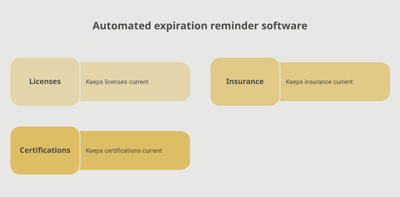
For organizations using a separate compliance tracker, a platform like Expiration Reminder stores each driver with their defensive driving course, completion date, expiration date (for insurance/policy purposes), and supporting documents. Reminders fire automatically before each refresher.
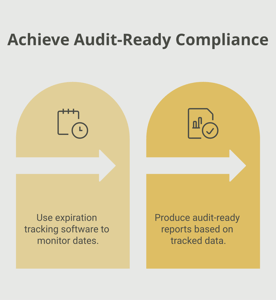
Key features include automated reminders at multiple intervals (90, 60, 30 days), document storage for certificates, dashboard views by site, role, or expiry window, audit-ready reports for fleet management and insurance, and the ability to log new training events in one step.
Key Takeaways
- Defensive driving training teaches drivers to anticipate hazards and reduce crash risk through deliberate driving practices.
- Major U.S. providers include NSC, AAA, AARP, Smith System, and state-approved providers.
- Validity depends on purpose: insurance discounts typically 3 years, ticket dismissal usually single-use, employer programs commonly annual or 2-year.
- State acceptance for ticket dismissal and insurance discounts varies significantly.
- Trained drivers reduce crash frequency and severity, supporting both safety and insurance outcomes.
- Automated tracking with reminders is the reliable approach for any non-trivial driving workforce.
Frequently Asked Questions
How long is a defensive driving certificate valid?
For insurance discounts, typically 3 years. For ticket dismissal, usually a single use within a defined period. For employer programs, set by the employer (commonly annual or 2 years).
Are defensive driving courses accepted in every state?
NSC and other major providers maintain state-by-state lists of where their courses are accepted for ticket dismissal and insurance discounts. State acceptance varies significantly.
How long are NSC defensive driving courses?
Most are 4, 6, or 8 hours, available online or in-person. The specific course required for ticket dismissal depends on the state and the offense.
Does defensive driving training replace DOT-required training?
No. DOT-regulated drivers (CDL holders, hazmat drivers, others) have specific FMCSA training requirements that defensive driving does not replace.
Will my insurance company reduce my premium for completing a defensive driving course?
Many do, particularly state-approved courses and AARP Smart Driver. Check with the carrier for participating providers and discount details.
How often should employees take defensive driving refreshers?
It depends on the employer's program. Common cadences are annual for delivery and service fleets, every 2–3 years for general business drivers, and after any at-fault incident.
Are there fleet-specific defensive driving programs?
Yes. Smith System, BWI Defensive Driving for Companies, and various commercial provider programs are designed specifically for fleet workforces.
How long should training records be kept?
Most employers retain records for the duration of employment plus several years to support multi-year audits, insurance reviews, and legal defenses.
Conclusion
Defensive driving training is one of the most cost-effective safety investments any organization with drivers can make. The substantive work — delivering training, applying technique on the road, debriefing incidents — sits with safety and fleet management. The administrative work — knowing every driver's training status and scheduling refresher courses — is where most programs need help.
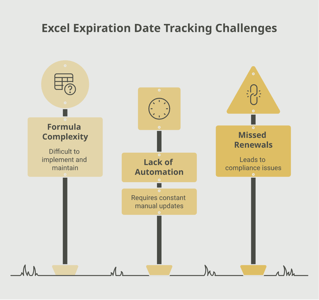
If your team tracks defensive driving through LMS or spreadsheets, you already know how easy it is for one driver's certificate to lapse. A purpose-built tracking platform like Expiration Reminder centralizes every certificate, sends reminders before each refresher date, stores the supporting documents, and produces audit-ready reports the moment anyone asks.
Train the drivers, reduce the incidents, and let the system handle the calendar.