Gross Misconduct refers to serious or unacceptable behavior by an employee that breaches the core terms of their employment contract, leading to possible immediate dismissal without notice or pay in lieu. It typically involves actions that damage the trust relationship between employer and employee. Examples include theft, fraud, violence, harassment, or severe policy violations. Employers must usually investigate incidents of gross misconduct thoroughly and follow fair disciplinary procedures to ensure legal compliance.
Simplify credential management
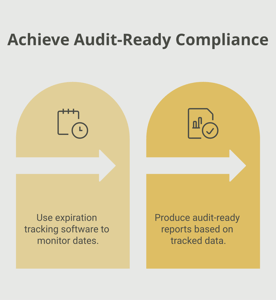
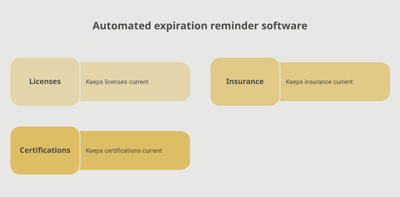
Tracking employee certifications and licenses doesn't have to be complicated. Expiration Reminder helps you send automated notification and keep your company compliant.
.png?width=2520&height=1800&name=67a0f630d9bbadc84df0deb5_AI_Scanner_1%20(1).png)
Key Facts
- Severity: Involves serious breaches of conduct that justify instant dismissal.
- Examples: Theft, assault, harassment, insubordination, or serious safety violations.
- Process: Employers should carry out a fair investigation before termination.
- Legal Risk: Mishandling cases of gross misconduct can result in wrongful dismissal claims.
- Impact: Can lead to termination without notice, severance, or unemployment benefits eligibility.
1. What qualifies as gross misconduct?
Gross misconduct includes serious behavior such as theft, fraud, violence, discrimination, or willful damage to property - actions that make continued employment untenable.
2. Can you be fired immediately for gross misconduct?
Yes, if the employer can prove gross misconduct occurred, they may dismiss the employee immediately without notice or pay in lieu (also known as summary dismissal).
3. Does gross misconduct go on your record?
Yes, it can be documented in your employment record and may be disclosed in references, affecting future job prospects.
4. What is the difference between misconduct and gross misconduct?
Misconduct is less severe and might lead to warnings or suspension, while gross misconduct is serious enough to warrant immediate dismissal.
5. Can you claim unemployment benefits after being fired for gross misconduct?
In many jurisdictions, being fired for gross misconduct may disqualify you from receiving unemployment benefits, but eligibility can depend on local laws and the findings of a review.
Make sure your company is compliant
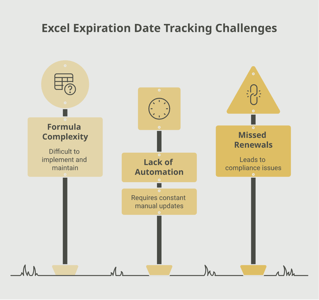
Say goodbye to outdated spreadsheets and hello to centralized credential management. Avoid fines and late penalties by managing your employee certifications with Expiration Reminder.