The Federal Unemployment Tax Act (FUTA) is a U.S. federal law that imposes a tax on employers to fund the unemployment compensation program. This program provides temporary financial assistance to workers who have lost their jobs through no fault of their own. The FUTA tax is paid solely by employers (not employees) and helps finance state unemployment agencies and job services.
Simplify credential management
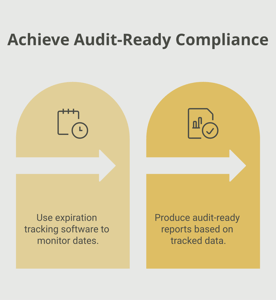
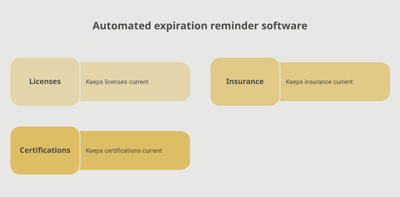
Tracking employee certifications and licenses doesn't have to be complicated. Expiration Reminder helps you send automated notification and keep your company compliant.
.png?width=2520&height=1800&name=67a0f630d9bbadc84df0deb5_AI_Scanner_1%20(1).png)
Key Facts
- Customizable Work Hours: Employees might start their day anytime between 7:00 AM and 10:00 AM and finish accordingly, as long as they complete their total required hours.
- Core Hours Requirement: Most flextime schedules include core hours (for example, 10:00 AM–3:00 PM) when all employees must be working and available.
- Promotes Work-Life Balance: Helps employees better manage childcare, education, commuting, or personal commitments.
- Used Across Industries: While not possible for every job (for example, manufacturing or customer-facing roles), flextime is widely adopted in office, tech, government, and education sectors.
- Improves Productivity and Retention: Research links flextime with increased job satisfaction, reduced absenteeism, and higher engagement.
- May Require Employer Approval: Flextime arrangements often require managerial approval and may be outlined in company policy or employment contracts.
1. What is flextime in the workplace?
Flextime allows employees to set their own work hours within company-defined limits, promoting flexibility while meeting required work hours.
2. What are core hours in flextime?
These are the fixed hours during the day when all employees are expected to be working (for example, 10 AM–3 PM), ensuring collaboration and availability.
3. Is flextime the same as remote work?
No - flextime refers to when you work, while remote work refers to where you work. The two can be combined but are separate concepts.
4. What are the benefits of flextime?
Benefits include greater autonomy, better work-life balance, reduced commute stress, and increased employee satisfaction and productivity.
5. Do employers have to offer flextime?
No. Flextime is optional and depends on company policy and the nature of the job.
Make sure your company is compliant
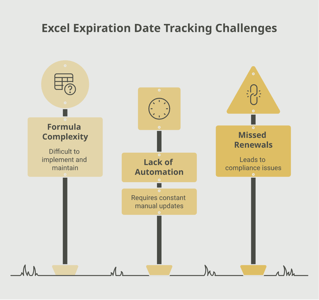
Say goodbye to outdated spreadsheets and hello to centralized credential management. Avoid fines and late penalties by managing your employee certifications with Expiration Reminder.